

.jpg)
06 July 2026
The Canadian and Alberta governments have announced plans to move forward with a major new oil pipeline, marking a significant step in the country's strategy to expand energy exports while addressing environmental and Indigenous concerns.
Prime Minister Mark Carney unveiled the initiative alongside more than C$150 billion in investments across British Columbia and Alberta aimed at strengthening Canada's infrastructure, energy security, and access to global markets. The proposed pipeline will follow much of the existing Trans Mountain route before extending to a new export terminal, with the Alberta government estimating a capacity of one million barrels of oil per day.
A key feature of the project is the commitment to meaningful Indigenous participation, with the federal and Alberta governments pledging to offer a significant ownership stake to Indigenous communities. Consultations with First Nations, provinces, and territories are set to begin immediately, while the project will also include measures to achieve substantial methane emissions reductions.
To address longstanding environmental concerns, the federal government confirmed it will maintain the tanker ban along British Columbia's northern coast, a measure widely supported by coastal First Nations. The decision helped secure broader provincial support, with British Columbia indicating it would not oppose the project after reaching agreements on environmental safeguards and compensation for potential risks.
The announcement reflects Canada's broader effort to diversify export markets and reduce reliance on the United States amid an increasingly uncertain global trade environment.
However, the project continues to draw criticism from climate advocates, who argue that expanding fossil fuel infrastructure conflicts with Canada's long-term climate objectives. Others have also questioned the project's economic viability, noting that significant public investment will be required to bring the pipeline into operation.
Indigenous-partnership-anchored pipeline development changes the political-and-financial calculus for the project, and it sets precedents for how ESG-adjacent conditions get built into infrastructure decisions. Our sustainability-due-diligence and climate-action teams help clients evaluate what these frameworks mean for TCFD-aligned scenario planning.

• 𝘛𝘩𝘦 𝘜𝘈𝘌 𝘍𝘰𝘰𝘥 𝘉𝘢𝘯𝘬 𝘢𝘯𝘥 𝘋𝘶𝘣𝘢𝘪’𝘴 𝘊𝘰𝘮𝘮𝘶𝘯𝘪𝘵𝘺 𝘋𝘦𝘷𝘦𝘭𝘰𝘱𝘮𝘦𝘯𝘵 𝘈𝘶𝘵𝘩𝘰𝘳𝘪𝘵𝘺 (𝘊𝘋𝘈) 𝘩𝘢𝘷𝘦 𝘴𝘪𝘨𝘯𝘦𝘥 𝘢𝘯 𝘢𝘨𝘳𝘦𝘦𝘮𝘦𝘯𝘵 𝘵𝘰 𝘤𝘰𝘭𝘭𝘦𝘤𝘵 𝘢𝘯𝘥 𝘳𝘦𝘥𝘪𝘴𝘵𝘳𝘪𝘣𝘶𝘵𝘦 𝘴𝘶𝘳𝘱𝘭𝘶𝘴 𝘧𝘰𝘰𝘥 𝘧𝘳𝘰𝘮 𝘸𝘦𝘥𝘥𝘪𝘯𝘨𝘴 𝘢𝘯𝘥 𝘦𝘷𝘦𝘯𝘵𝘴. • 𝘛𝘩𝘦 𝘪𝘯𝘪𝘵𝘪𝘢𝘵𝘪𝘷𝘦 𝘸𝘪𝘭𝘭 𝘧𝘰𝘭𝘭𝘰𝘸 𝘢𝘱𝘱𝘳𝘰𝘷𝘦𝘥…
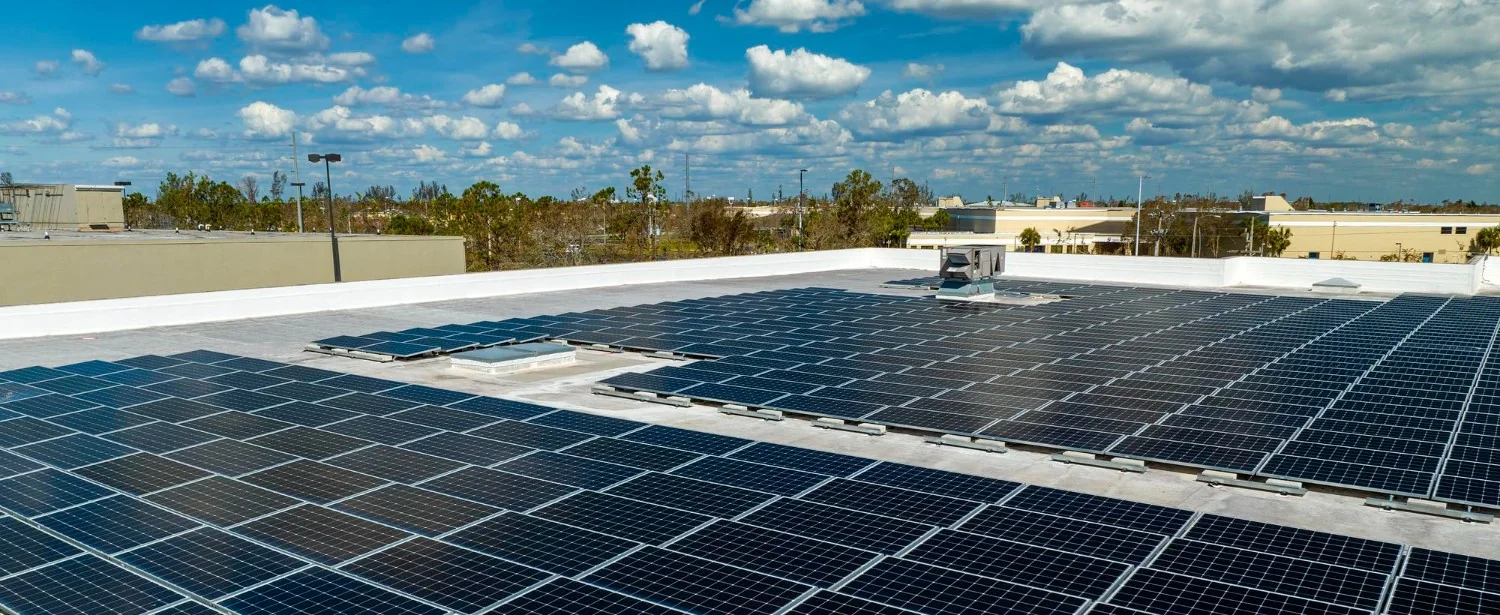
<ul><li><i>India’s rooftop solar capacity reached 30.7 GW in July 2026, increasing the need for better grid management and flexibility.</i></li><li><i>Kerala and Maharashtra are exploring battery ener…

• 𝘛𝘩𝘦 𝘌𝘐𝘉 𝘎𝘳𝘰𝘶𝘱 𝘱𝘭𝘢𝘯𝘴 𝘵𝘰 𝘱𝘳𝘰𝘷𝘪𝘥𝘦 𝘢𝘵 𝘭𝘦𝘢𝘴𝘵 €30 𝘣𝘪𝘭𝘭𝘪𝘰𝘯 𝘧𝘰𝘳 𝘤𝘭𝘪𝘮𝘢𝘵𝘦 𝘢𝘥𝘢𝘱𝘵𝘢𝘵𝘪𝘰𝘯 𝘣𝘦𝘵𝘸𝘦𝘦𝘯 2026 𝘢𝘯𝘥 2030. • 𝘛𝘩𝘦 𝘯𝘦𝘸 𝘵𝘢𝘳𝘨𝘦𝘵 𝘥𝘰𝘶𝘣𝘭𝘦𝘴 𝘢𝘥𝘢𝘱𝘵𝘢𝘵𝘪𝘰𝘯 𝘧𝘪𝘯𝘢𝘯𝘤𝘪𝘯𝘨 𝘤𝘰𝘮𝘱𝘢𝘳𝘦𝘥 𝘸𝘪𝘵𝘩 𝘵𝘩𝘦 𝘱𝘳𝘦𝘷𝘪𝘰𝘶𝘴 𝘧𝘪𝘷𝘦-𝘺𝘦𝘢𝘳 𝘱𝘦𝘳𝘪𝘰𝘥. • 𝘍𝘶𝘯𝘥𝘪𝘯𝘨…