

.jpg)
26 June 2026
California has intensified its legal battle with the Trump administration, asking a federal court to temporarily block the US Environmental Protection Agency (EPA) from sending the state’s long-standing vehicle emissions waivers to Congress for potential repeal.
The request for a preliminary injunction follows a lawsuit filed earlier this week, after the EPA argued that California’s Clean Air Act waivers-approved under previous Democratic administrations-should be subject to review under the Congressional Review Act (CRA). California contends the move is unlawful and threatens a regulatory framework that has shaped vehicle emissions policy for decades.
State officials argue that California has received around 75 emissions waivers over the past 60 years, allowing it to establish stricter vehicle pollution standards than federal requirements due to its unique air quality challenges. Those standards have also been adopted by a dozen other states, influencing cleaner vehicle development and tighter tailpipe emissions nationwide.
The Trump administration has made rolling back California’s authority a central part of its broader effort to ease vehicle regulations, promote gasoline-powered vehicles, and scale back policies encouraging electric vehicle adoption. The EPA defended its position, stating that the agency is prepared for congressional review and suggesting California’s legal challenge reflects opposition to that process.
At the center of the dispute are four EPA waivers that authorize California to set its own emissions standards for passenger vehicles, trucks, and certain off-road equipment. California argues these waivers are administrative approvals-not federal rules-and therefore cannot legally be reviewed or overturned through the Congressional Review Act.
The outcome of the case could have far-reaching implications for US climate policy, state regulatory authority, and the future of vehicle emissions standards, as the legal battle over federal and state environmental powers continues to escalate.
California's aggressive defence of state emissions rules keeps the compliance floor high for automakers regardless of federal action, and it's what makes California SB 253 so consequential nationally. Our ESG-strategy and market-intelligence teams help clients evaluate what these dynamics mean for multi-jurisdiction compliance and disclosure.

• 𝘛𝘩𝘦 𝘜𝘈𝘌 𝘍𝘰𝘰𝘥 𝘉𝘢𝘯𝘬 𝘢𝘯𝘥 𝘋𝘶𝘣𝘢𝘪’𝘴 𝘊𝘰𝘮𝘮𝘶𝘯𝘪𝘵𝘺 𝘋𝘦𝘷𝘦𝘭𝘰𝘱𝘮𝘦𝘯𝘵 𝘈𝘶𝘵𝘩𝘰𝘳𝘪𝘵𝘺 (𝘊𝘋𝘈) 𝘩𝘢𝘷𝘦 𝘴𝘪𝘨𝘯𝘦𝘥 𝘢𝘯 𝘢𝘨𝘳𝘦𝘦𝘮𝘦𝘯𝘵 𝘵𝘰 𝘤𝘰𝘭𝘭𝘦𝘤𝘵 𝘢𝘯𝘥 𝘳𝘦𝘥𝘪𝘴𝘵𝘳𝘪𝘣𝘶𝘵𝘦 𝘴𝘶𝘳𝘱𝘭𝘶𝘴 𝘧𝘰𝘰𝘥 𝘧𝘳𝘰𝘮 𝘸𝘦𝘥𝘥𝘪𝘯𝘨𝘴 𝘢𝘯𝘥 𝘦𝘷𝘦𝘯𝘵𝘴. • 𝘛𝘩𝘦 𝘪𝘯𝘪𝘵𝘪𝘢𝘵𝘪𝘷𝘦 𝘸𝘪𝘭𝘭 𝘧𝘰𝘭𝘭𝘰𝘸 𝘢𝘱𝘱𝘳𝘰𝘷𝘦𝘥…
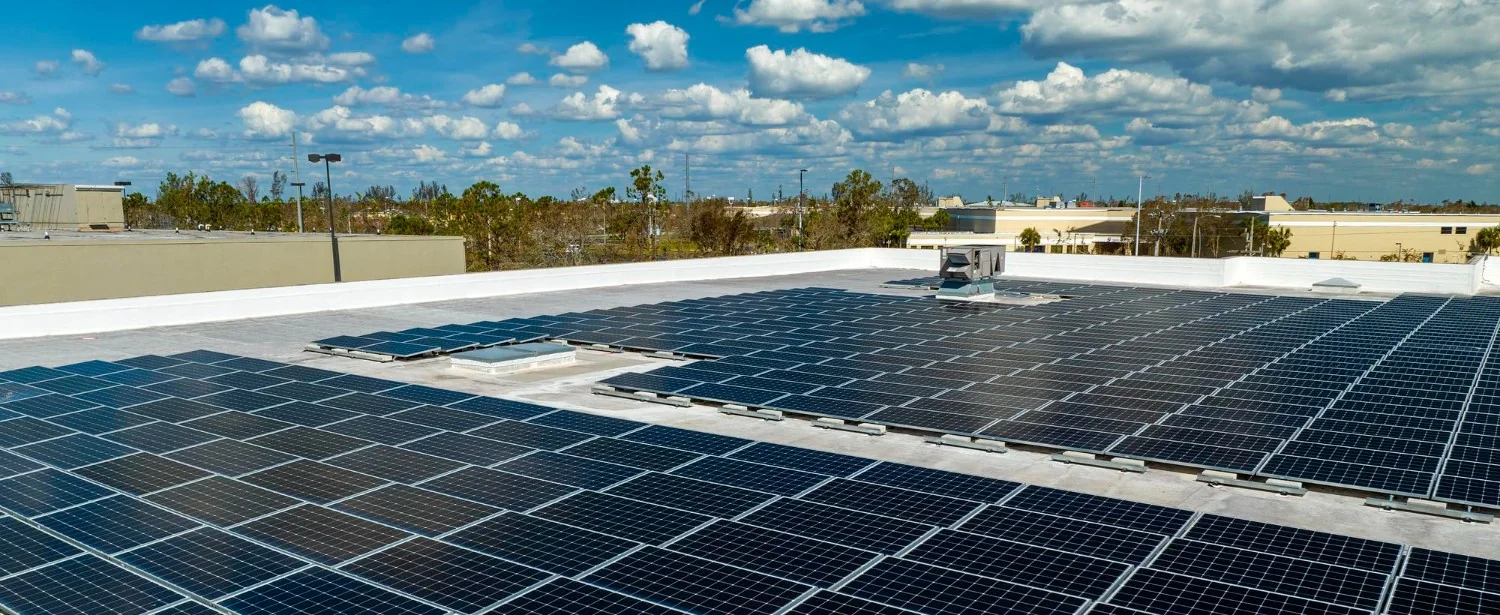
<ul><li><i>India’s rooftop solar capacity reached 30.7 GW in July 2026, increasing the need for better grid management and flexibility.</i></li><li><i>Kerala and Maharashtra are exploring battery ener…

• 𝘛𝘩𝘦 𝘌𝘐𝘉 𝘎𝘳𝘰𝘶𝘱 𝘱𝘭𝘢𝘯𝘴 𝘵𝘰 𝘱𝘳𝘰𝘷𝘪𝘥𝘦 𝘢𝘵 𝘭𝘦𝘢𝘴𝘵 €30 𝘣𝘪𝘭𝘭𝘪𝘰𝘯 𝘧𝘰𝘳 𝘤𝘭𝘪𝘮𝘢𝘵𝘦 𝘢𝘥𝘢𝘱𝘵𝘢𝘵𝘪𝘰𝘯 𝘣𝘦𝘵𝘸𝘦𝘦𝘯 2026 𝘢𝘯𝘥 2030. • 𝘛𝘩𝘦 𝘯𝘦𝘸 𝘵𝘢𝘳𝘨𝘦𝘵 𝘥𝘰𝘶𝘣𝘭𝘦𝘴 𝘢𝘥𝘢𝘱𝘵𝘢𝘵𝘪𝘰𝘯 𝘧𝘪𝘯𝘢𝘯𝘤𝘪𝘯𝘨 𝘤𝘰𝘮𝘱𝘢𝘳𝘦𝘥 𝘸𝘪𝘵𝘩 𝘵𝘩𝘦 𝘱𝘳𝘦𝘷𝘪𝘰𝘶𝘴 𝘧𝘪𝘷𝘦-𝘺𝘦𝘢𝘳 𝘱𝘦𝘳𝘪𝘰𝘥. • 𝘍𝘶𝘯𝘥𝘪𝘯𝘨…