

25 June 2026
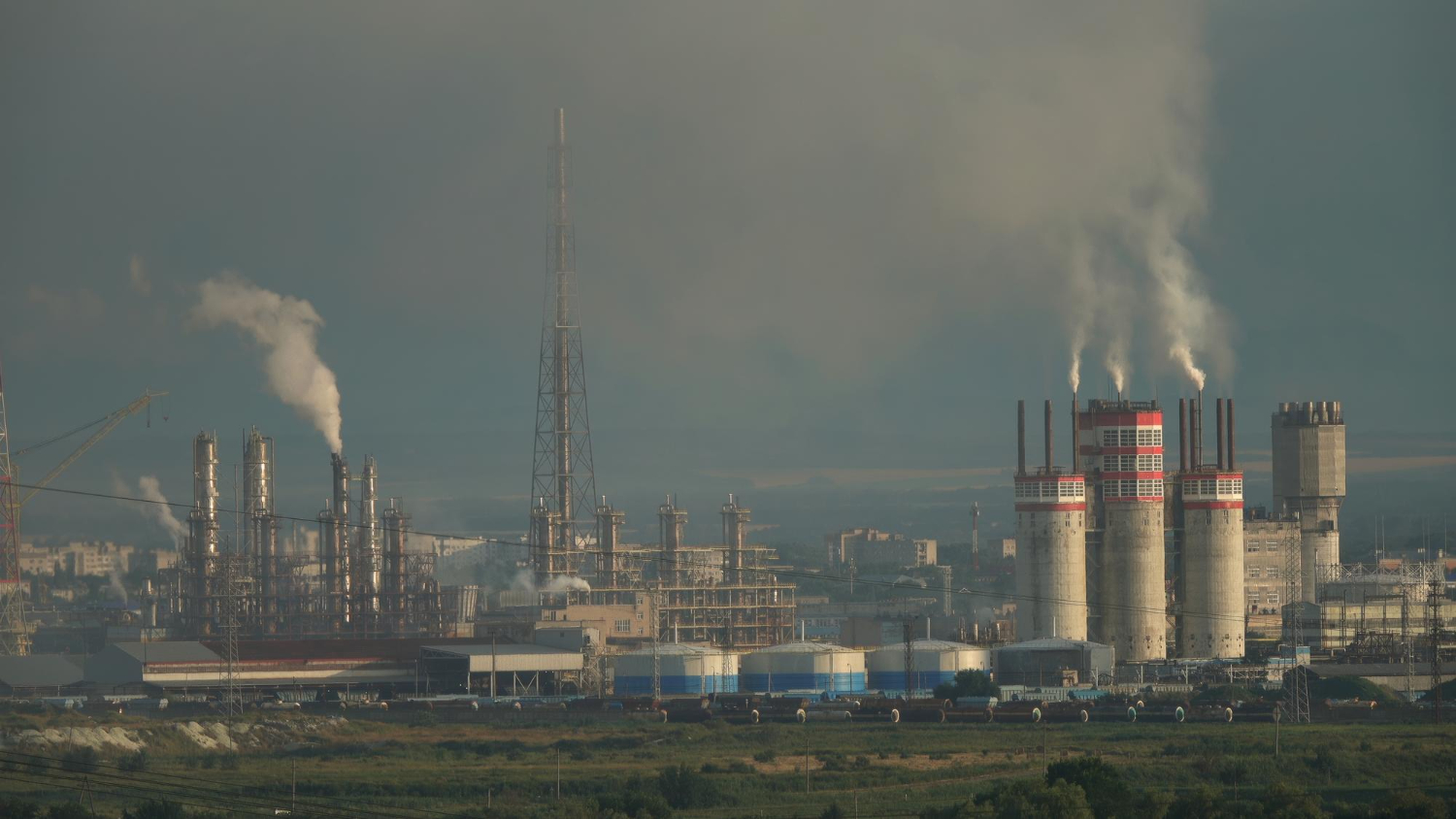
The United States and Qatar have joined other major energy exporters in urging the European Union to revise its upcoming methane emissions regulations, warning that the rules could disrupt natural gas supplies and create energy security challenges across Europe.
Set to take effect next year, the EU’s methane regulation will require oil and gas imports to meet strict monitoring, reporting, and verification standards aimed at reducing methane leaks-a potent greenhouse gas and one of the largest contributors to global warming after carbon dioxide. While the policy is designed to strengthen climate action, several international suppliers argue that the timeline and compliance requirements are unrealistic.
In a joint letter to EU leaders, energy ministers from the United States, Qatar, Nigeria, and Algeria called for a pause in implementation and requested targeted amendments to the regulation. The exporters warned that companies are already securing fuel supplies for 2027 deliveries and that many producers currently lack a practical pathway to comply with the new requirements.
US Energy Secretary Chris Wright criticized the regulation, arguing that it could restrict Europe’s ability to import liquefied natural gas (LNG) from key allies and increase the risk of energy shortages. He cautioned that tighter import restrictions could contribute to supply pressures during periods of high demand, particularly in winter months.
The debate is also gaining traction within Europe. Eleven EU member states, including Italy, Poland, the Netherlands, and the Czech Republic, have reportedly requested a three-year delay to the regulation, citing ongoing energy market uncertainties and geopolitical disruptions affecting fuel supplies.
Despite mounting pressure, EU Energy Commissioner Dan Jørgensen has defended the methane rules, stating that while Brussels is willing to discuss practical implementation measures, it does not intend to weaken the legislation’s environmental objectives.
The dispute highlights the growing challenge of balancing climate ambitions with energy security as Europe continues its transition toward a lower-carbon energy system.
Combined US-Qatar pressure on EU methane rules shows how sustainability rules increasingly intersect with energy-security politics. Our energy-transition and sustainability-due-diligence teams help LNG producers and buyers evaluate methane-management strategy and disclosure across evolving jurisdictional expectations.

• 𝘛𝘩𝘦 𝘜𝘈𝘌 𝘍𝘰𝘰𝘥 𝘉𝘢𝘯𝘬 𝘢𝘯𝘥 𝘋𝘶𝘣𝘢𝘪’𝘴 𝘊𝘰𝘮𝘮𝘶𝘯𝘪𝘵𝘺 𝘋𝘦𝘷𝘦𝘭𝘰𝘱𝘮𝘦𝘯𝘵 𝘈𝘶𝘵𝘩𝘰𝘳𝘪𝘵𝘺 (𝘊𝘋𝘈) 𝘩𝘢𝘷𝘦 𝘴𝘪𝘨𝘯𝘦𝘥 𝘢𝘯 𝘢𝘨𝘳𝘦𝘦𝘮𝘦𝘯𝘵 𝘵𝘰 𝘤𝘰𝘭𝘭𝘦𝘤𝘵 𝘢𝘯𝘥 𝘳𝘦𝘥𝘪𝘴𝘵𝘳𝘪𝘣𝘶𝘵𝘦 𝘴𝘶𝘳𝘱𝘭𝘶𝘴 𝘧𝘰𝘰𝘥 𝘧𝘳𝘰𝘮 𝘸𝘦𝘥𝘥𝘪𝘯𝘨𝘴 𝘢𝘯𝘥 𝘦𝘷𝘦𝘯𝘵𝘴. • 𝘛𝘩𝘦 𝘪𝘯𝘪𝘵𝘪𝘢𝘵𝘪𝘷𝘦 𝘸𝘪𝘭𝘭 𝘧𝘰𝘭𝘭𝘰𝘸 𝘢𝘱𝘱𝘳𝘰𝘷𝘦𝘥…
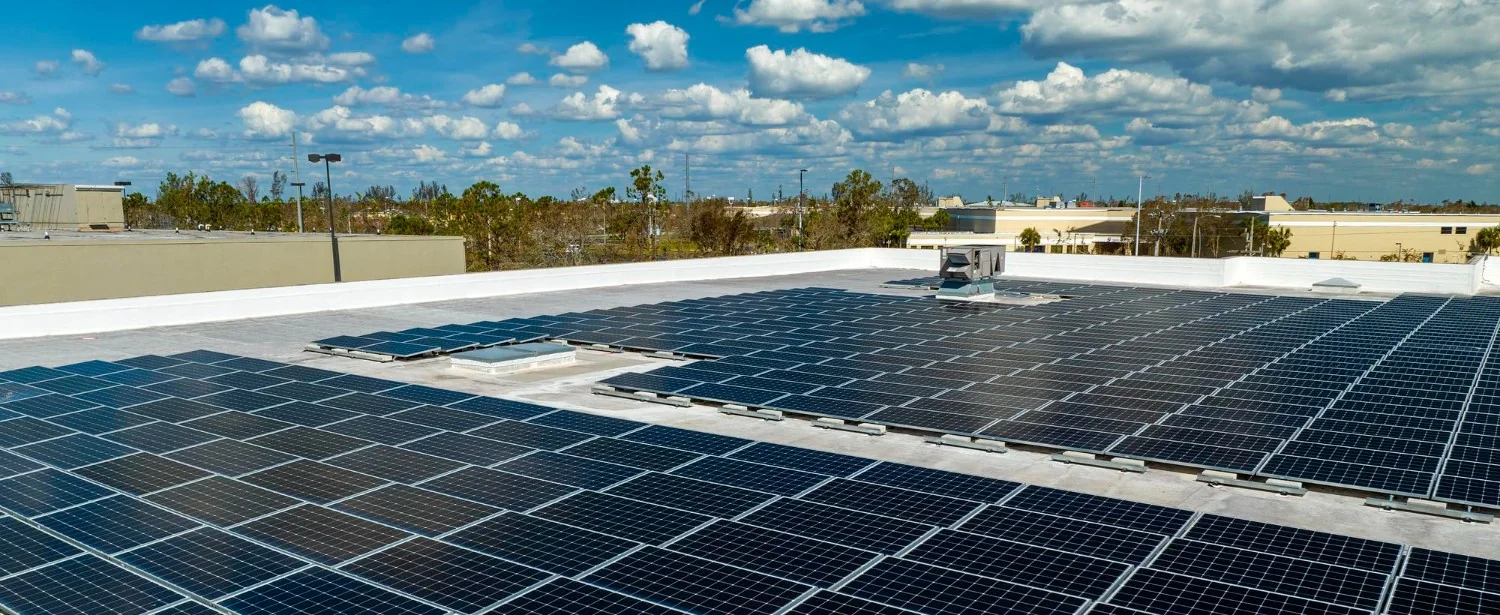
<ul><li><i>India’s rooftop solar capacity reached 30.7 GW in July 2026, increasing the need for better grid management and flexibility.</i></li><li><i>Kerala and Maharashtra are exploring battery ener…
• 𝘛𝘩𝘦 𝘌𝘐𝘉 𝘎𝘳𝘰𝘶𝘱 𝘱𝘭𝘢𝘯𝘴 𝘵𝘰 𝘱𝘳𝘰𝘷𝘪𝘥𝘦 𝘢𝘵 𝘭𝘦𝘢𝘴𝘵 €30 𝘣𝘪𝘭𝘭𝘪𝘰𝘯 𝘧𝘰𝘳 𝘤𝘭𝘪𝘮𝘢𝘵𝘦 𝘢𝘥𝘢𝘱𝘵𝘢𝘵𝘪𝘰𝘯 𝘣𝘦𝘵𝘸𝘦𝘦𝘯 2026 𝘢𝘯𝘥 2030. • 𝘛𝘩𝘦 𝘯𝘦𝘸 𝘵𝘢𝘳𝘨𝘦𝘵 𝘥𝘰𝘶𝘣𝘭𝘦𝘴 𝘢𝘥𝘢𝘱𝘵𝘢𝘵𝘪𝘰𝘯 𝘧𝘪𝘯𝘢𝘯𝘤𝘪𝘯𝘨 𝘤𝘰𝘮𝘱𝘢𝘳𝘦𝘥 𝘸𝘪𝘵𝘩 𝘵𝘩𝘦 𝘱𝘳𝘦𝘷𝘪𝘰𝘶𝘴 𝘧𝘪𝘷𝘦-𝘺𝘦𝘢𝘳 𝘱𝘦𝘳𝘪𝘰𝘥. • 𝘍𝘶𝘯𝘥𝘪𝘯𝘨…