

01 June 2026
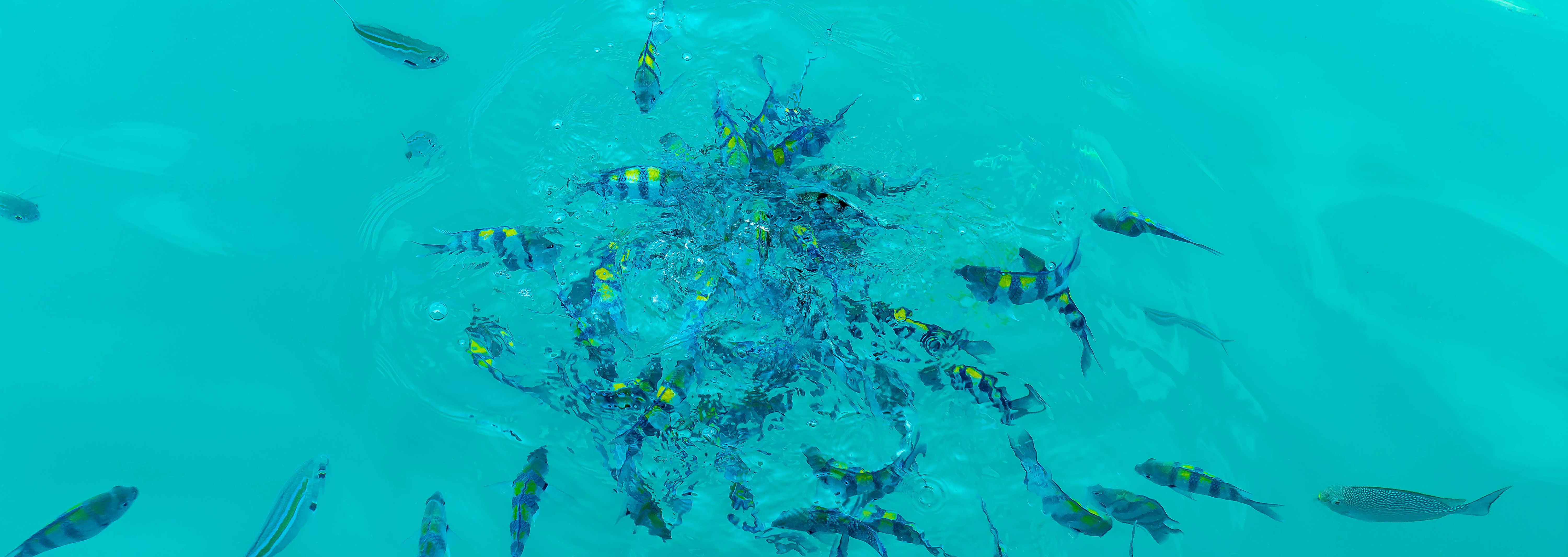
Several Australian environmental organisations have urged UNESCO to strengthen oversight of Great Barrier Reef protection efforts, warning that ongoing land clearing and weak enforcement measures continue to threaten one of the world’s most important marine ecosystems. The appeal comes ahead of a scheduled review by UNESCO’s World Heritage Committee in July 2026.
In a letter submitted to the United Nations agency, environmental groups called for annual progress reports from the Australian government through 2029 to demonstrate that land clearing in reef catchment areas is being effectively reduced. Conservation advocates argue that sediment and pollution runoff linked to deforestation remain major risks to reef water quality and biodiversity.
The concerns follow recent reforms under Australia’s Environment Protection and Biodiversity Conservation Act, which introduced additional federal assessment requirements for land clearing near waterways connected to the reef catchment. However, environmental groups said enforcement mechanisms remain insufficient and warned that implementation gaps could undermine conservation efforts.
Australia’s government has maintained that it is meeting its commitments to UNESCO and continues investing in reef protection, water quality improvement and climate resilience programmes. The Great Barrier Reef remains under close international scrutiny as authorities work to address environmental pressures linked to climate change, pollution and ecosystem degradation.
The Great Barrier Reef scrutiny is a preview of how nature-and-biodiversity risk is being formalised for corporates operating in sensitive catchments - TNFD disclosure, sediment monitoring, water quality metrics. Our nature-based-solutions and sustainability-due-diligence teams help clients across agriculture, mining and land-use sectors quantify their nature exposure and build disclosure infrastructure that stands up to reef-adjacent scrutiny.

• 𝘛𝘩𝘦 𝘜𝘈𝘌 𝘍𝘰𝘰𝘥 𝘉𝘢𝘯𝘬 𝘢𝘯𝘥 𝘋𝘶𝘣𝘢𝘪’𝘴 𝘊𝘰𝘮𝘮𝘶𝘯𝘪𝘵𝘺 𝘋𝘦𝘷𝘦𝘭𝘰𝘱𝘮𝘦𝘯𝘵 𝘈𝘶𝘵𝘩𝘰𝘳𝘪𝘵𝘺 (𝘊𝘋𝘈) 𝘩𝘢𝘷𝘦 𝘴𝘪𝘨𝘯𝘦𝘥 𝘢𝘯 𝘢𝘨𝘳𝘦𝘦𝘮𝘦𝘯𝘵 𝘵𝘰 𝘤𝘰𝘭𝘭𝘦𝘤𝘵 𝘢𝘯𝘥 𝘳𝘦𝘥𝘪𝘴𝘵𝘳𝘪𝘣𝘶𝘵𝘦 𝘴𝘶𝘳𝘱𝘭𝘶𝘴 𝘧𝘰𝘰𝘥 𝘧𝘳𝘰𝘮 𝘸𝘦𝘥𝘥𝘪𝘯𝘨𝘴 𝘢𝘯𝘥 𝘦𝘷𝘦𝘯𝘵𝘴. • 𝘛𝘩𝘦 𝘪𝘯𝘪𝘵𝘪𝘢𝘵𝘪𝘷𝘦 𝘸𝘪𝘭𝘭 𝘧𝘰𝘭𝘭𝘰𝘸 𝘢𝘱𝘱𝘳𝘰𝘷𝘦𝘥…

<ul><li><i>India’s rooftop solar capacity reached 30.7 GW in July 2026, increasing the need for better grid management and flexibility.</i></li><li><i>Kerala and Maharashtra are exploring battery ener…

• 𝘛𝘩𝘦 𝘌𝘐𝘉 𝘎𝘳𝘰𝘶𝘱 𝘱𝘭𝘢𝘯𝘴 𝘵𝘰 𝘱𝘳𝘰𝘷𝘪𝘥𝘦 𝘢𝘵 𝘭𝘦𝘢𝘴𝘵 €30 𝘣𝘪𝘭𝘭𝘪𝘰𝘯 𝘧𝘰𝘳 𝘤𝘭𝘪𝘮𝘢𝘵𝘦 𝘢𝘥𝘢𝘱𝘵𝘢𝘵𝘪𝘰𝘯 𝘣𝘦𝘵𝘸𝘦𝘦𝘯 2026 𝘢𝘯𝘥 2030. • 𝘛𝘩𝘦 𝘯𝘦𝘸 𝘵𝘢𝘳𝘨𝘦𝘵 𝘥𝘰𝘶𝘣𝘭𝘦𝘴 𝘢𝘥𝘢𝘱𝘵𝘢𝘵𝘪𝘰𝘯 𝘧𝘪𝘯𝘢𝘯𝘤𝘪𝘯𝘨 𝘤𝘰𝘮𝘱𝘢𝘳𝘦𝘥 𝘸𝘪𝘵𝘩 𝘵𝘩𝘦 𝘱𝘳𝘦𝘷𝘪𝘰𝘶𝘴 𝘧𝘪𝘷𝘦-𝘺𝘦𝘢𝘳 𝘱𝘦𝘳𝘪𝘰𝘥. • 𝘍𝘶𝘯𝘥𝘪𝘯𝘨…