
The Impact of Deforestation
Due to the increased acidity of the ocean, the ocean chemistry experiences massive changes that adversely affect not just aquatic beings but also the human population.
Enter Subheading para
Enter para
Due to the increased acidity of the ocean, the ocean chemistry experiences massive changes that adversely affect not just aquatic beings but also the human population.
Enter Subheading para
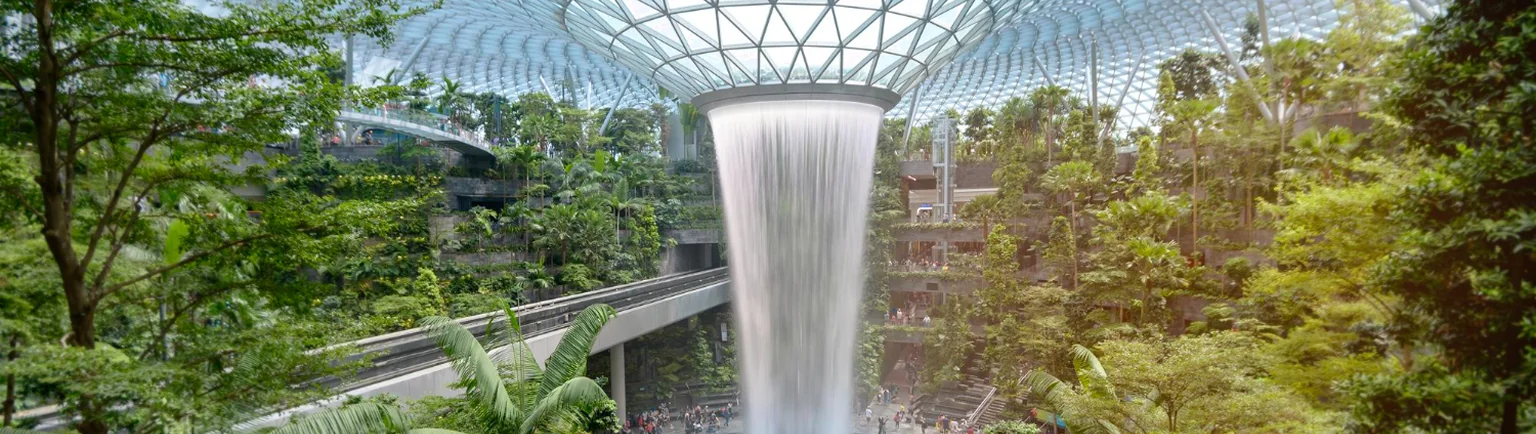
The future of sustainable architecture in architecture looks highly promising, driven by growing awareness around climate change, resource scarcity, and public health. As environmental concerns become more central to urban development, the demand for sustainable infrastructure is rising across the globe, opening up new avenues for architects, designers, and construction professionals to innovate responsibly.
Looking ahead, the field is expected to embrace advanced technologies such as AI-assisted design, smart materials, and digital twins to predict, track, and improve building performance in real time.
Global policies are also trending toward net-zero building mandates, ensuring that sustainability becomes a non-negotiable standard in future construction. Moreover, architecture is evolving to become not only sustainable but regenerative by designing buildings that give back more than they take from the environment.
In this future, sustainable architecture will not only reduce harm but also enhance resilience, promote equity, and enrich human experience, making it one of the most impactful areas in shaping a livable, thriving planet.
Due to the increased acidity of the ocean, the ocean chemistry experiences massive changes that adversely affect not just aquatic beings but also the human population.
Enter Heading Enter Subheading para

Priyanka Mehta
Design structured sustainability pathways aligned with your industry landscape.
Sustainable architecture is a design approach that minimizes a building’s environmental impact by conserving resources, reducing carbon emissions, and improving occupant well-being while maintaining functionality and aesthetics.
Sustainability in architecture is crucial because the construction industry is a major contributor to greenhouse gas emissions. Integrating sustainable practices helps conserve natural resources, reduce pollution, and create healthier, more resilient spaces for people and communities.
Designing sustainable architecture involves strategies like optimizing passive design for natural light and ventilation, incorporating renewable energy systems, using eco-friendly materials, conserving water, managing stormwater, and enhancing indoor environmental quality.
Green architecture can be truly sustainable when it goes beyond energy efficiency to address the entire lifecycle of a building. This includes using low-impact materials, integrating renewable energy, and designing spaces that adapt to environmental changes while promoting long-term resilience.
Current trends include net-zero and positive energy buildings, regenerative design that restores ecosystems, modular and prefabricated construction, biophilic integration of nature into spaces, smart building technologies, and climate-responsive adaptive architecture.