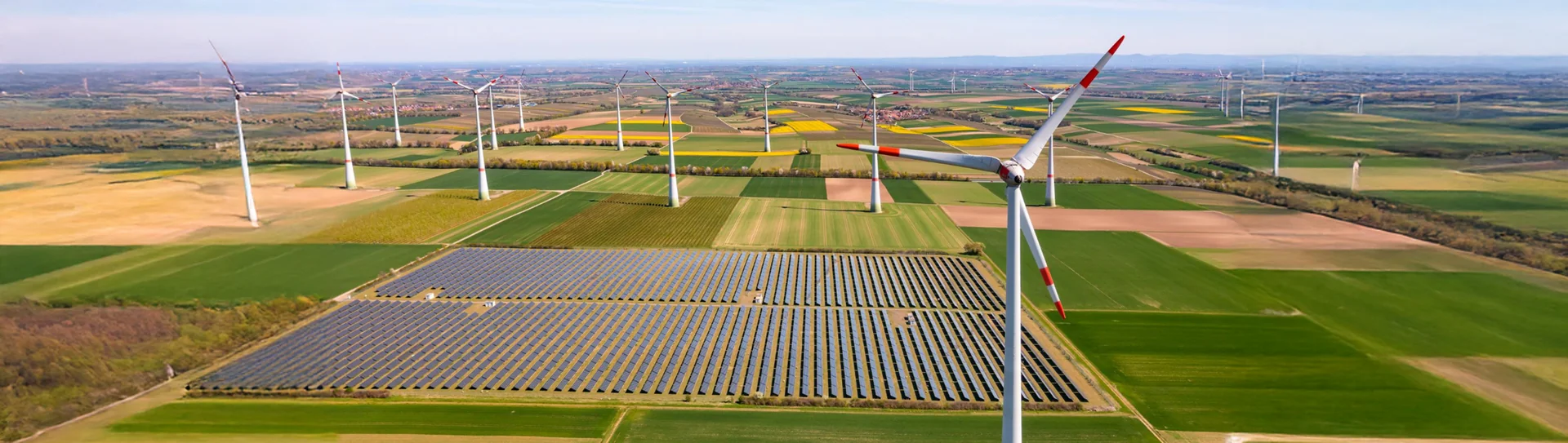

Renewable energy represents energy that is derived from naturally replenished sources. Some of the most significant types of renewable energy are solar energy, wind energy, hydropower, geothermal energy, and biomass. These energy sources are distinct from fossil fuels since they do not deplete with usage, therefore providing a clear-cut way to reduce greenhouse gas (GHG) emissions. According to the International Renewable Energy Agency (IRENA), in 2023, the renewable power capacity increased by 473 GW (+13.9%), which amounted to 3870 GW of global renewable power capacity at the end of the year. With an exponential increase of 346 GW (+32.2%), solar energy led the capacity expansion with a capacity of 1419 GW. However, it is worth noting that not all renewables are sustainable. For instance, if hydro or biomass projects are not managed with utmost care, they might prove detrimental to the communities and ecosystems.
Sustainable energy is not confined to being just renewable; it extends to considering long-term consequences, encompassing environmental health, social fairness, and economic efficiency. In other words, sustainable energy refers to sources that meet existing needs without compromising the ability of the next generation to meet theirs.
While promoting affordability, energy efficiency, and global access, sustainable energy advantage also includes energy security, responsible resource use, and long-term development.
Solar, wind, hydropower, and geothermal are some of the most common sustainable energy sources. However, renewable energy like biofuel is not considered sustainable, as producing it requires growing necessary plants that consume natural resources, and when biofuel is used, it still contributes to the emissions of greenhouse gases, affecting the climate to quite an extent.
Sustainability not only depends on the source but also heavily relies on context, scale, and system-wide performance. For instance, large-scale hydropower might be zero-carbon but simultaneously harms ecosystems and contributes to the displacement of communities. Likewise, biomass, while being renewable, can also be unsustainable when it drives deforestation or competes with food systems. The key difference lies in the impact. Sustainability takes into account the complete life cycle, from material extraction and land use to waste management and social equity. A solar or wind project becomes sustainable in its truest form only when it respects biodiversity, utilizes circular materials, and offers social value. With a strategic incorporation of tools such as material circularity metrics, energy justice frameworks, and Life Cycle Assessment (LCA), one can determine if a renewable energy solution also meets the sustainability criteria.
Due to the increased acidity of the ocean, the ocean chemistry experiences massive changes that adversely affect not just aquatic beings but also the human population.

Enter Subheading para
Enter para
Due to the increased acidity of the ocean, the ocean chemistry experiences massive changes that adversely affect not just aquatic beings but also the human population.
enter para
Enter para
Due to the increased acidity of the ocean, the ocean chemistry experiences massive changes that adversely affect not just aquatic beings but also the human population.

Enter para
Renewable energy is a critical pillar of the net-zero transition, but ensuring it is truly sustainable requires deeper alignment across systems, materials, and communities. That’s where Cognitud comes in, being one of the most reliable renewable and sustainable energy consulting companies.
Sustainability-Focused Evaluation: We evaluate renewable strategies through a sustainability lens, helping organizations move beyond emissions metrics to consider lifecycle impacts, land use, and long-term viability.
Material and Resource Risk Mapping: We map material and resource risks associated with clean energy infrastructure, from critical minerals and rare earth dependencies to end-of-life circularity planning.
Framework-Based Alignment: We align renewable projects with leading frameworks, including SDG 7, the EU Green Taxonomy, and Just Energy Transition principles, ensuring both climate and social performance are addressed.
Contextual and Circular Integration: We support integration of circular design and local context into energy planning, balancing technological ambition with ecological limits and stakeholder needs.
At Cognitud, we, a budding sustainable and renewable energy consultant, don’t just help you scale up renewables; we help you ensure your energy strategy is resilient, equitable, and truly sustainable.


Abhigyan Gupta
Advance your strategy with solutions calibrated to your market environment.
Not exactly. Renewable energy comes from sources that naturally replenish, like solar or wind, while sustainable energy ensures those sources are used in ways that also protect ecosystems, communities, and long-term resource security.
It provides a clean alternative to fossil fuels, helps cut greenhouse gas emissions, and plays a central role in reaching net-zero and climate resilience goals.
Solar, wind, geothermal, and well-managed hydropower are considered sustainable because they balance energy generation with environmental and social impacts. Biofuels, however, are renewable but often not sustainable.
Yes. Over the past decade, solar and wind have become some of the cheapest forms of new electricity generation globally, often beating fossil fuels in cost while also offering long-term price stability.
Key examples include solar, wind, hydropower, geothermal, and biomass, all of which draw from naturally replenished resources.