
Due to the increased acidity of the ocean, the ocean chemistry experiences massive changes that adversely affect not just aquatic beings but also the human population.
Table Head |
|---|
| Enter Data |

There have been many initiatives and efforts, yet numerous affordable and clean energy challenges still arise in achieving SDG 7. The biggest barrier is deep-rooted inequality, especially in rural and remote areas of low‑ and middle‑income countries, where millions still lack basic electricity and clean cooking solutions.
Expanding energy infrastructure in these underserved areas is costly, and available financing often falls short or doesn’t align with national priorities. Political and regulatory complexities, fragmented policies, and a lack of long‑term planning further deter investment and hamper the growth of clean energy markets.
Another critical obstacle is the urgent transition from fossil fuels to cleaner alternatives. Dependence on coal, oil, and gas has created entrenched interests and aging infrastructure that are expensive and politically challenging to overhaul.
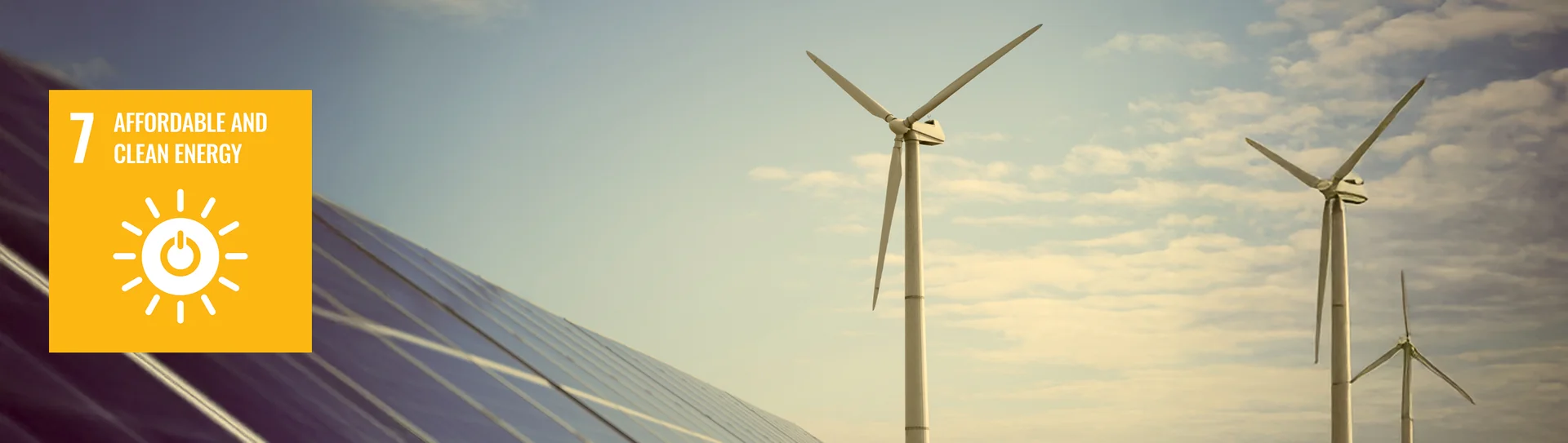
Meanwhile, advances in clean technologies like solar, wind, and battery storage still struggle with scalability, supply chain constraints, and affordability. Inadequate grid infrastructure and limited storage capacity make it harder for renewables to reliably meet rising global energy demand.
Lastly, achieving SDG 7 is further complicated by intensifying climate and environmental pressures. Energy generation and distribution must adapt to increasingly volatile climate conditions, making resilience a priority.
Yet many nations grappling with poverty and fiscal constraints have limited means to invest in resilient, climate‑adaptive infrastructure.
Without strong global teamwork clean energy will continue to miss the people who need it most, leaving more communities in energy poverty and at risk from climate change.

Enter Subheading para
Achieving SDG 7 is a goal that no one can reach alone. It’s a shared responsibility that needs teamwork across every level of society. Governments, businesses, civil society, and communities must work hand‑in‑hand to build clean energy infrastructure, especially in areas that have been left behind. By combining resources, sharing knowledge, and making smart investments, we can bring affordable, sustainable energy to people everywhere.
International cooperation is also vital, especially to help developing nations access clean technologies, financing, and training. Strong partnerships can unlock new ideas and innovations, making clean energy more affordable and accessible to all. Achieving SDG 7 doesn’t stop at providing energy. It’s about making sure that energy systems are resilient, sustainable, and aligned with broader climate and social goals.
In short, this is a journey we must take together. From global leaders to local communities, every voice, every action, and every contribution counts. Together, we can build a brighter, cleaner, and more inclusive energy future.

Abhigyan Gupta
Advance your strategy with solutions calibrated to your market environment.
SDG 7 stands for Affordable and Clean Energy. Its goal is to ensure universal access to affordable, reliable, sustainable, and modern energy by 2030.
SDG 7 is crucial because energy powers homes, schools, hospitals, industries, and communication systems. Without clean energy, economic growth, education, and climate goals cannot be achieved.
Affordable and clean energy reduces poverty, drives economic growth, supports education and healthcare, and lowers greenhouse gas emissions—making it a cornerstone of sustainable development.
AI can optimize energy grids, predict demand, improve efficiency in renewable energy systems, reduce wastage, and support smart energy solutions that make clean energy more accessible and affordable.