

INDUSTRIESCASE STUDIES
Chemicals
Industrial asset disposal demands the same commercial discipline as strategic sourcing, particularly when commodity prices fluctuate and regulatory requirements differ across jurisdictions.
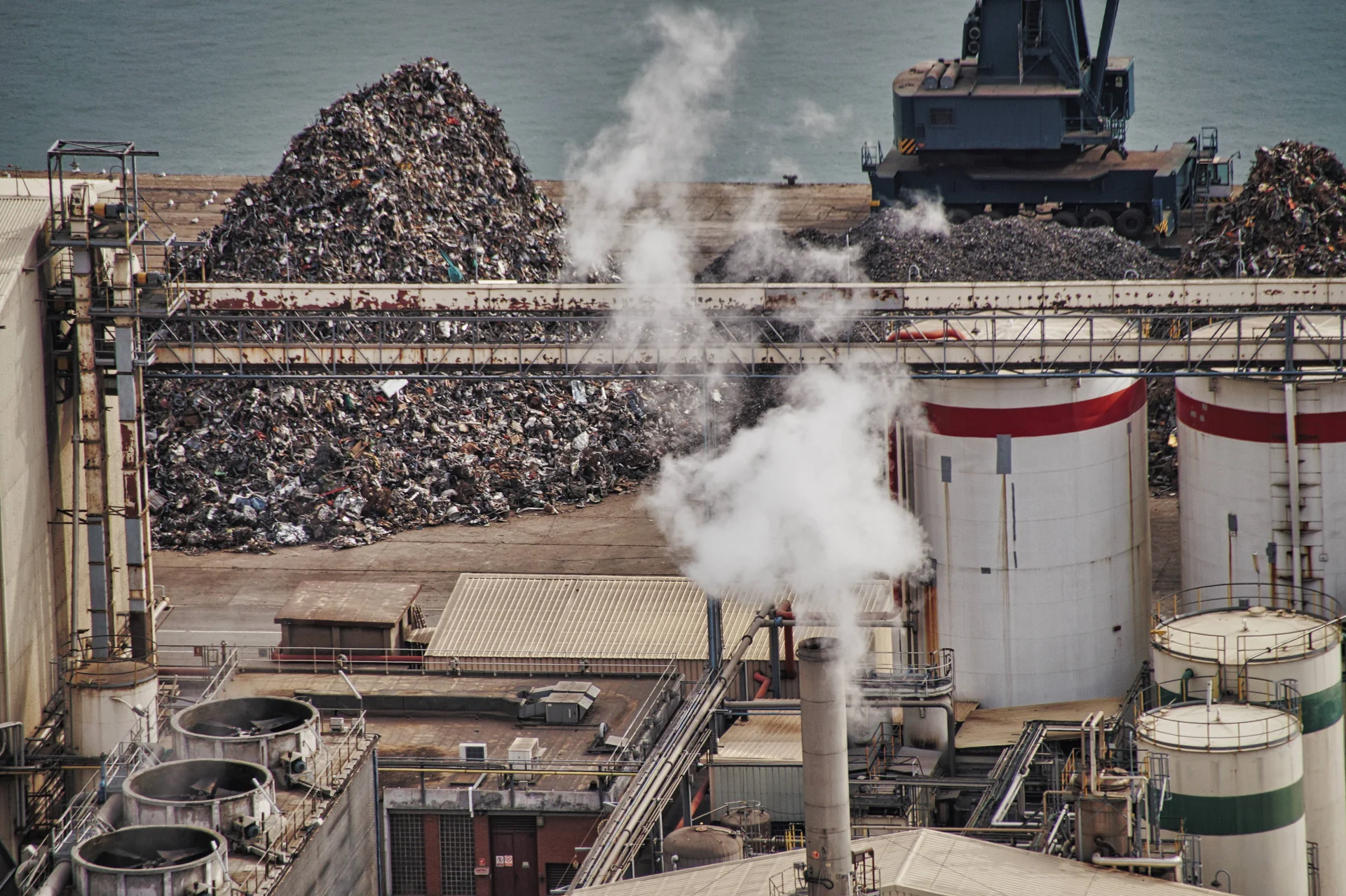
Cognitud managed the disposal of surplus industrial assets for a petrochemical manufacturing facility in Thailand, combining market-based valuation, competitive bidding, and end-to-end transaction governance to maximize value realization while ensuring full statutory compliance.
The disposal portfolio included titanium scrap, copper wire, and 21 Hooper trucks released in multiple phases, each requiring a different commercialization strategy. Commodity price volatility created the risk of undervaluation, while staggered vehicle availability demanded careful coordination to sustain buyer participation across successive disposal events. In parallel, the entire programme had to comply with Thai regulatory requirements and produce complete financial documentation for group-level reporting.
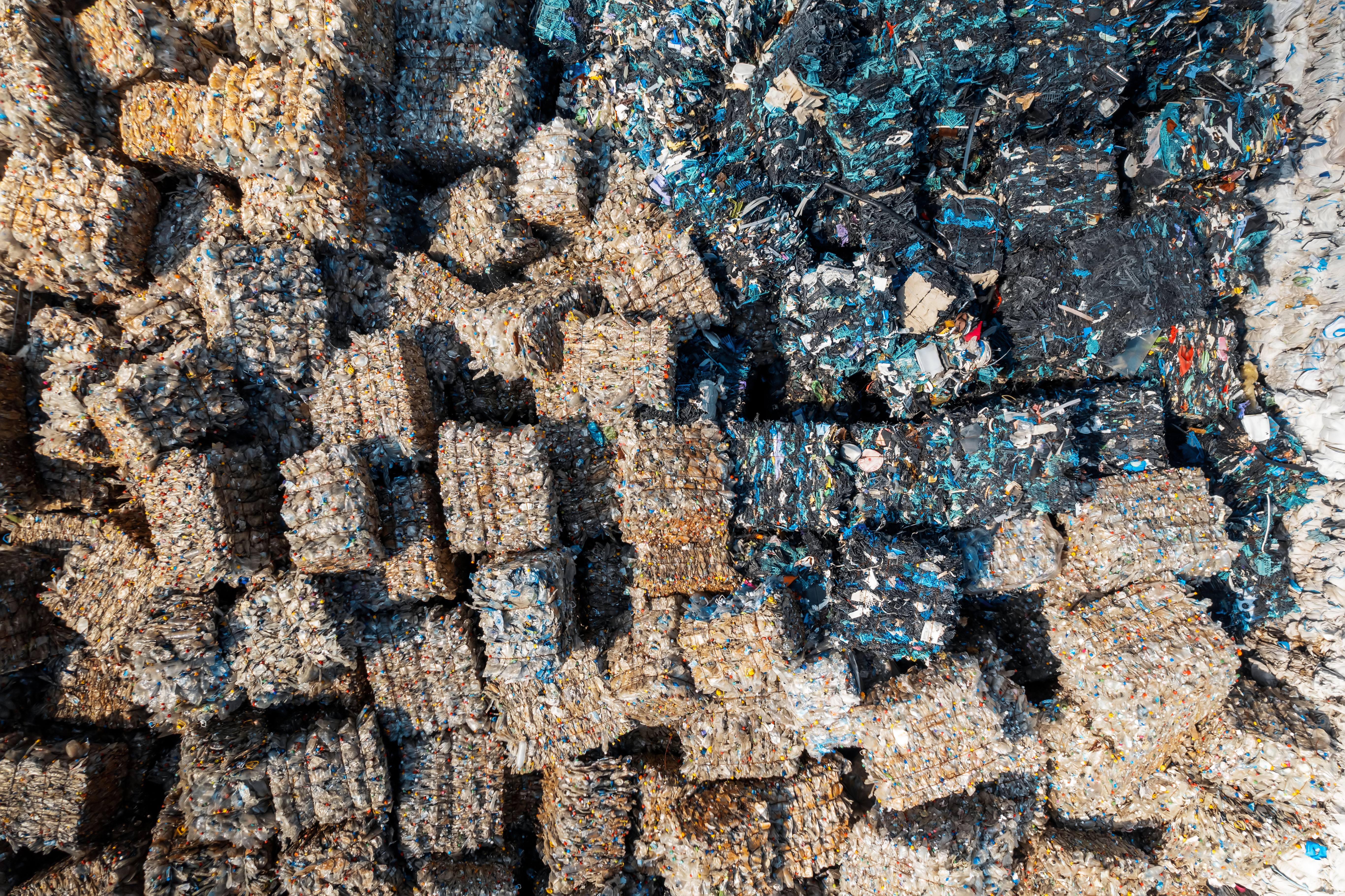
Market intelligence formed the foundation of the disposal strategy. Asset condition assessments, reserve pricing linked to LME benchmarks, and ASEAN heavy-vehicle valuations established realistic commercialization targets for each asset category. Competition was then expanded through a network of qualified industrial recyclers, scrap buyers, and heavy-vehicle dealers across Thailand and Southeast Asia. Detailed asset dossiers, site inspections, sealed-bid auctions for metal lots, and structured commercial negotiations ensured transparent price discovery. Rolling releases of the Hooper truck fleet were coordinated across four disposal windows, while weighbridge certifications, tax documentation, payment records, buyer verification, and ownership transfers were managed through a structured governance framework.

The programme generated USD 205,000 in asset realization through competitive market participation and disciplined commercial execution. All disposal transactions complied fully with Thai statutory requirements, including certified weighbridge records, tax invoices, and transfer documentation. The complete USD-denominated audit trail was accepted without queries during corporate financial consolidation, demonstrating that the engagement delivered not only stronger commercial outcomes but also a governance model for future industrial asset monetization.
More case studies

Chemicals
Climate resilience and responsible business conduct are becoming inseparable components of long-term operational performance in the fertilizer and specialty chemicals sector.
Read more
Chemicals
For chemical manufacturers, operational continuity depends as much on natural systems as it does on production infrastructure.
Read more
Pharmaceuticals & Healthcare
Supply continuity for sterile active pharmaceutical ingredients depends on far more than competitive pricing.
Read moreThe next chapter of success starts with one conversation.
Talk to our Experts