

INDUSTRIESCASE STUDIES
Chemicals
Climate resilience and responsible business conduct are becoming inseparable components of long-term operational performance in the fertilizer and specialty chemicals sector.
Operating 18 manufacturing sites alongside an extensive agricultural value chain, a leading Indian fertilizer, crop protection, and specialty chemicals manufacturer commissioned Cognitud to embed human rights due diligence and climate risk management into its governance framework, creating a stronger foundation for enterprise risk management, strategic decision-making, and future disclosure.
The company's manufacturing footprint and agricultural value chain exposed it to a broad spectrum of operational risks extending well beyond traditional environmental compliance. Physical climate hazards—including cyclones, flooding, heat stress, and water scarcity—had never been assessed through a consistent methodology across all manufacturing locations, limiting visibility into long-term operational resilience. At the same time, potential human rights risks relating to workforce safety, labour practices, supplier operations, and community impacts remained dispersed across the business without a structured framework for identification or prioritization.
The absence of an integrated assessment limited the organization's ability to demonstrate robust governance under emerging disclosure expectations while reducing confidence in how climate and human rights risks informed business decisions.
Cognitud developed a unified programme that evaluated climate and human rights risks through the combined lens of operational resilience, governance, and value chain performance.
Human rights due diligence was undertaken across manufacturing operations and the agricultural value chain using the UN Guiding Principles and OECD Guidelines, assessing labor practices, occupational health and safety, community impacts, and supplier-related risks to identify the most salient issues and establish a prioritized remediation roadmap.
Climate risks were evaluated across all 18 manufacturing sites using TCFD-aligned scenario analysis, covering acute physical hazards, chronic climate impacts, and transition risks associated with carbon pricing, evolving regulations, and changing energy markets. Findings from both assessments were consolidated into a board-ready enterprise risk register linking each priority risk with its potential operational and financial implications while strengthening governance and disclosure readiness for future reporting.
The programme transformed climate and human rights from separate sustainability initiatives into integrated business risk considerations. Leadership gained a consolidated view of enterprise-wide exposure across manufacturing operations and the agricultural value chain, enabling mitigation efforts to be prioritized where risk concentrations were greatest.
Beyond strengthening governance, the assessment established a credible foundation for TCFD-aligned climate disclosures, BRSR reporting, and ongoing human rights due diligence, equipping the organization with a more structured approach to resilience planning, board oversight, and stakeholder communication.
More case studies
Chemicals
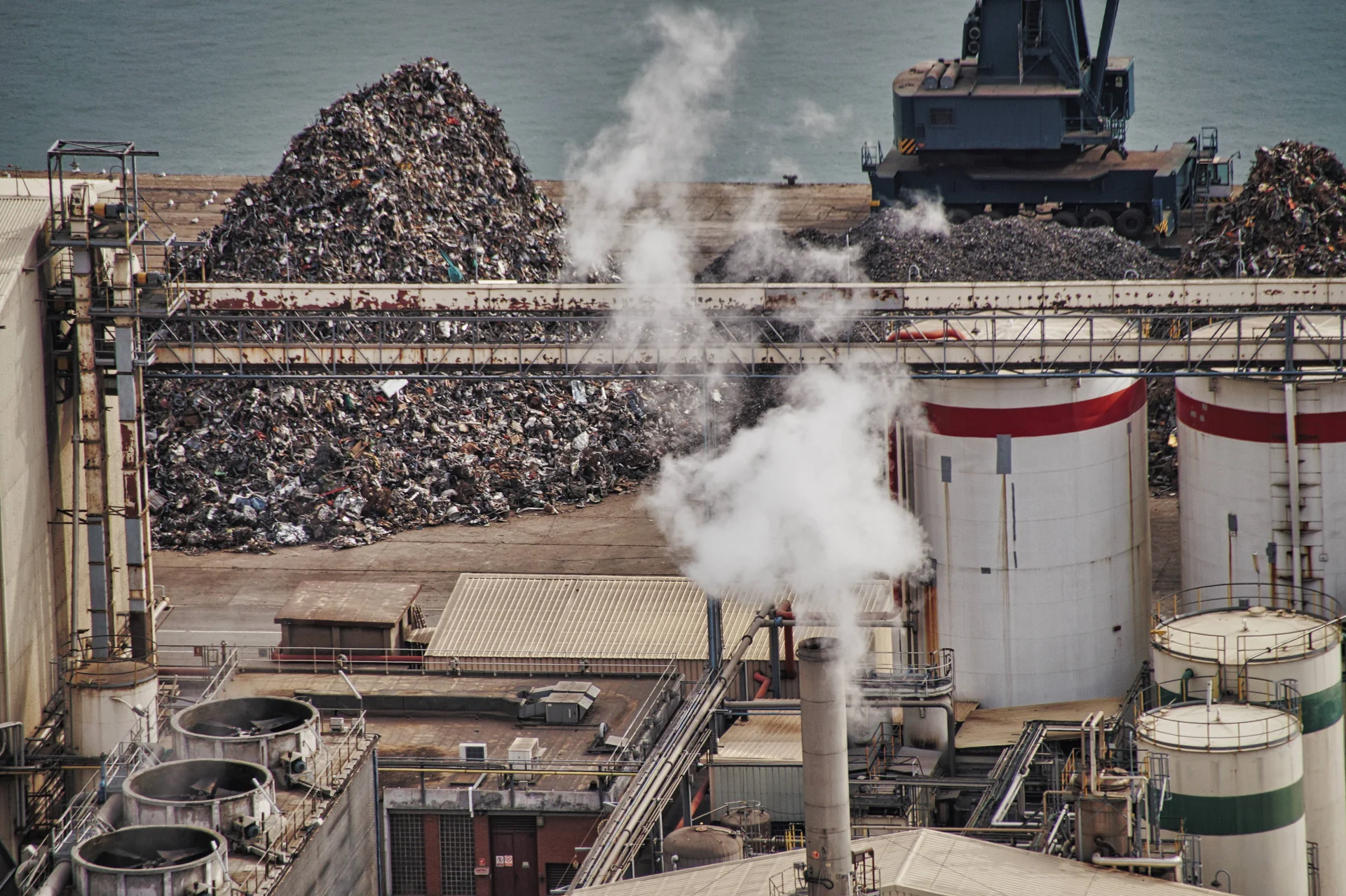
Industrial asset disposal demands the same commercial discipline as strategic sourcing, particularly when commodity prices fluctuate and regulatory requirements differ across jurisdictions.
Read more
Chemicals
For chemical manufacturers, operational continuity depends as much on natural systems as it does on production infrastructure.
Read more
Pharmaceuticals & Healthcare
Supply continuity for sterile active pharmaceutical ingredients depends on far more than competitive pricing.
Read moreThe next chapter of success starts with one conversation.
Talk to our Experts