


INDUSTRIESCASE STUDIES
Chemicals
For chemical manufacturers, operational continuity depends as much on natural systems as it does on production infrastructure.
Freshwater resources, crop-derived raw materials, and healthy ecosystems underpin manufacturing processes, making environmental degradation a direct business concern rather than a peripheral sustainability issue. Recognizing this growing interdependence, a leading chemical manufacturer sought to understand how nature-related risks could influence operational resilience and future sustainability commitments.
Although environmental performance was already being monitored across manufacturing sites, the organization lacked a consolidated view of its dependencies on ecosystem services and the risks arising from changing environmental conditions. Water availability, pollution impacts, ecological vulnerability, and increasingly stringent regulations created a complex risk landscape that extended beyond compliance. The challenge was to establish a structured basis for evaluating these risks consistently across operations while supporting alignment with emerging global disclosure expectations.

Rather than treating biodiversity as a standalone environmental topic, Cognitud evaluated nature-related risks through the broader lens of business operations. Using the TNFD LEAP approach, the assessment combined ENCORE, the WWF Biodiversity Risk Filter, and the WRI Ecosystem Service Review to examine ecosystem dependencies, biodiversity pressures, and ecological vulnerabilities across the operational portfolio.
The analysis identified critical reliance on freshwater resources, crop-based inputs, and air quality while assessing pollution-related impacts alongside chronic physical and transition risks associated with evolving environmental regulations. These insights informed a structured mitigation hierarchy—Avoid, Reduce, Regenerate, Restore, and Transform—supported by initiatives including water recycling, zero-liquid discharge systems, biodiversity restoration, and landscape regeneration to advance nature-positive operations.
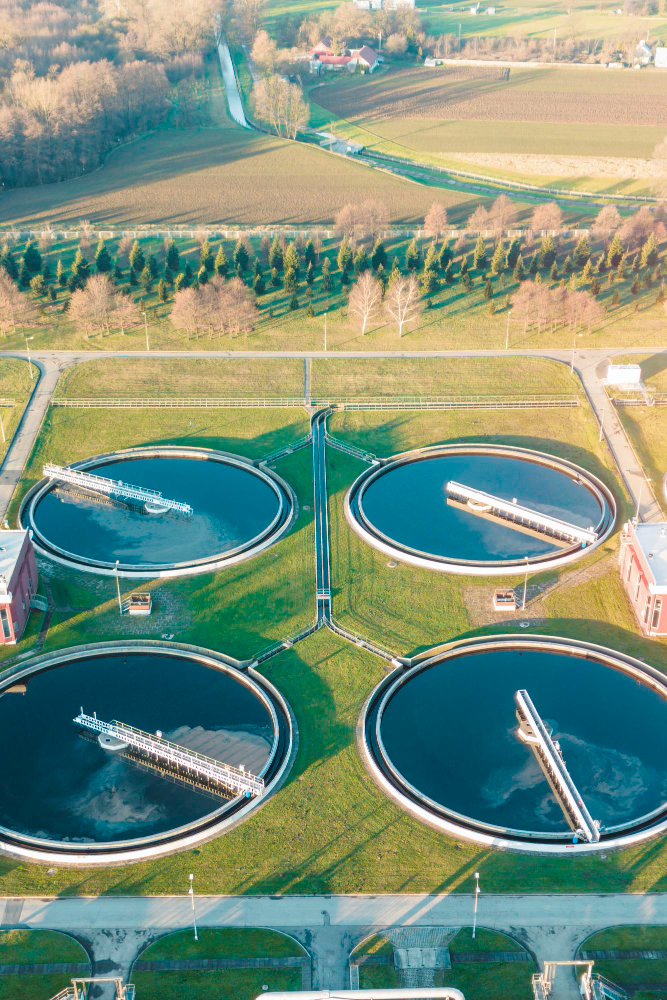
The engagement transformed biodiversity from a site-level environmental consideration into an enterprise-wide business risk discussion. By establishing a clearer understanding of ecosystem dependencies and operational vulnerabilities, the organization gained a stronger basis for prioritizing investments in water stewardship, restoration programs, and long-term sustainability planning. The assessment also created a credible pathway toward no net loss and, ultimately, a net-positive environmental impact while improving preparedness for evolving disclosure expectations and strengthening confidence in the organization's environmental strategy.
More case studies
Chemicals
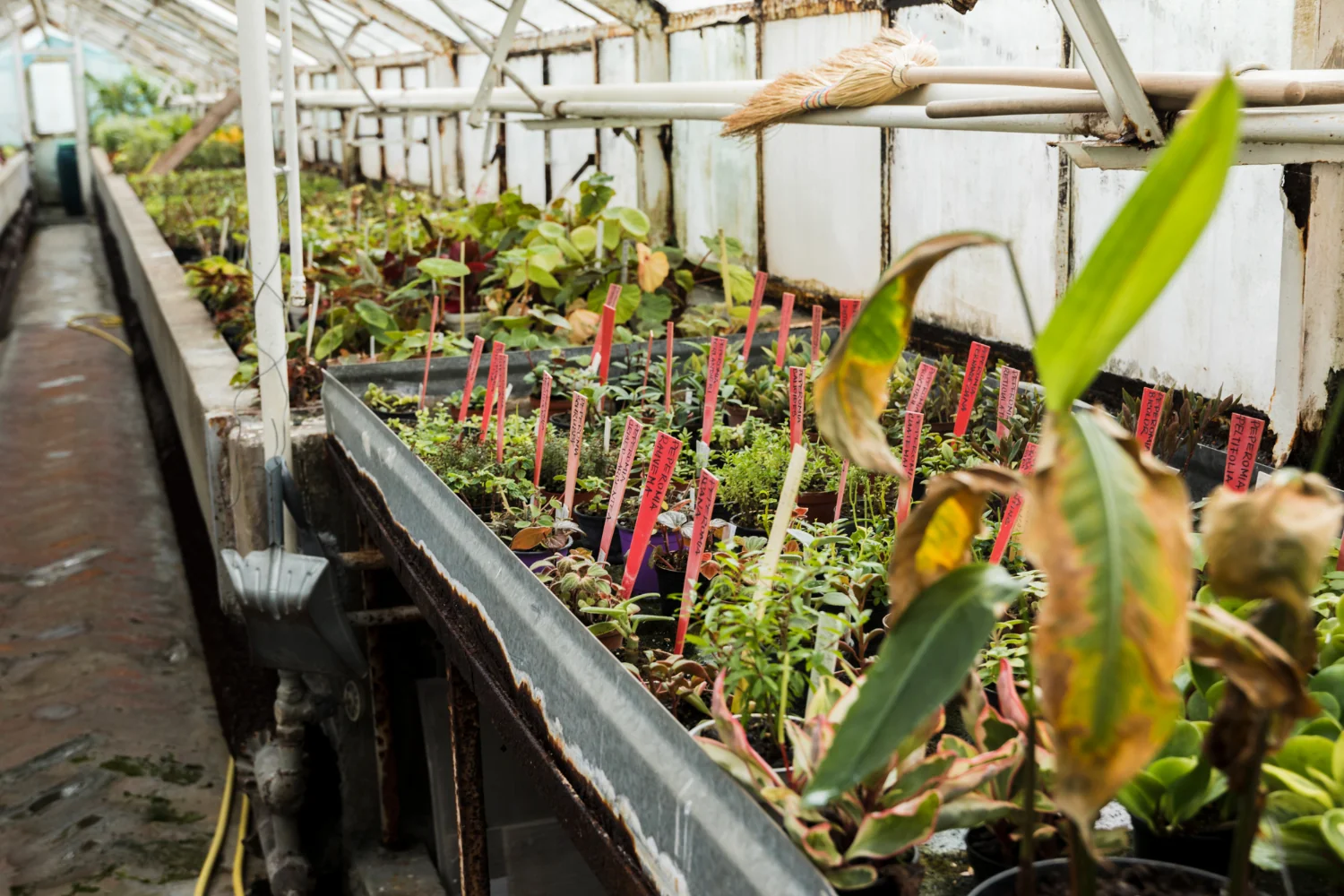
Climate resilience and responsible business conduct are becoming inseparable components of long-term operational performance in the fertilizer and specialty chemicals sector.
Read more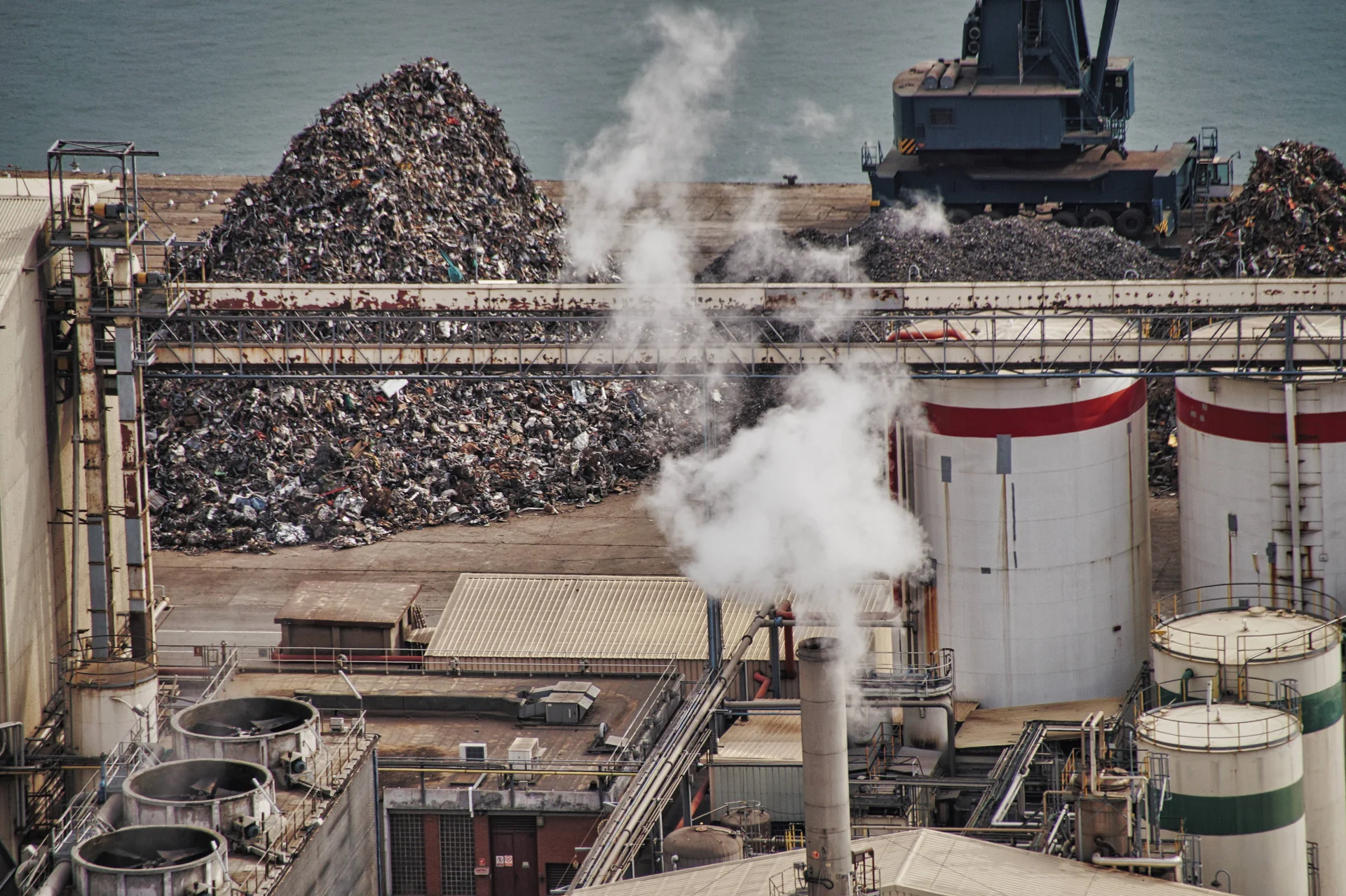
Chemicals
Industrial asset disposal demands the same commercial discipline as strategic sourcing, particularly when commodity prices fluctuate and regulatory requirements differ across jurisdictions.
Read more
Pharmaceuticals & Healthcare
Supply continuity for sterile active pharmaceutical ingredients depends on far more than competitive pricing.
Read moreThe next chapter of success starts with one conversation.
Talk to our Experts