

.jpg)
07 August 2025
As negotiations for a landmark global plastics treaty began in Geneva this week, the Trump administration has come under fire for urging countries to oppose key provisions aimed at limiting plastic production and restricting hazardous chemical additives.
According to documents reviewed by Reuters, the United States has circulated a memo to several nations stating it will not support any treaty that includes upstream measures such as caps on virgin plastic production or bans on plastic additives, placing it in direct opposition to over 100 countries calling for ambitious reforms.
The U.S. position, delivered ahead of the final round of negotiations, has dampened hopes for a comprehensive agreement to tackle plastic pollution across its entire life cycle, from production to waste management. Instead, the U.S. has proposed a treaty focused on downstream solutions like recycling and improved waste collection, citing concerns that production caps would “increase the costs of all plastic products that are used throughout our daily lives.”
“We will not support impractical global approaches,” the memo stated, signaling alignment with oil and petrochemical-producing nations that have consistently opposed production limits. The move has sparked concern among environmental advocates and smaller nations, who see the treaty as a crucial opportunity to address the plastic crisis and uphold multilateral cooperation.
John Hocevar of Greenpeace USA criticized the approach, calling it a “return to old-school bullying” by the U.S. government to shape the treaty in ways that benefit domestic industry at the expense of global progress. Panama’s lead negotiator, Juan Carlos Monterrey-Gomez, warned that excluding plastic production from the treaty is “economic self-sabotage,” arguing that such actions will block innovation and deny nations the chance to lead in the emerging circular economy.
The U.S., the world’s top producer of plastics, has also sought to revise the treaty’s objective, eliminating references to a “full life cycle” approach. This proposed rollback undermines language agreed upon in 2022, signaling a potential renegotiation of the treaty’s mandate altogether.
A State Department spokesperson defended the U.S. stance, saying countries should determine their own plastic management strategies based on national circumstances. “Some countries may choose to undertake bans, while others may want to focus on improved collection and recycling,” the spokesperson noted.
Environmental groups, the European Union, and small island nations continue to push for stronger upstream measures, warning that without curbing production, recycling efforts alone will be insufficient to stop the plastic deluge. According to the OECD, global plastic production is on track to triple by 2060, further choking oceans, accelerating climate change, and posing severe risks to human health.
As negotiations proceed, the world faces a pivotal choice: whether to settle for minimal consensus or forge a bold, binding treaty that tackles the plastic problem at its source.
US opposition to production caps at treaty level pushes the compliance weight onto national frameworks and downstream EPR, which for consumer-goods and packaging brands means the operational pressure keeps building even without a global deal. Our circular-economy and sustainability-due-diligence teams help clients read what these treaty dynamics mean for their circular strategy and disclosure planning.

• 𝘛𝘩𝘦 𝘜𝘈𝘌 𝘍𝘰𝘰𝘥 𝘉𝘢𝘯𝘬 𝘢𝘯𝘥 𝘋𝘶𝘣𝘢𝘪’𝘴 𝘊𝘰𝘮𝘮𝘶𝘯𝘪𝘵𝘺 𝘋𝘦𝘷𝘦𝘭𝘰𝘱𝘮𝘦𝘯𝘵 𝘈𝘶𝘵𝘩𝘰𝘳𝘪𝘵𝘺 (𝘊𝘋𝘈) 𝘩𝘢𝘷𝘦 𝘴𝘪𝘨𝘯𝘦𝘥 𝘢𝘯 𝘢𝘨𝘳𝘦𝘦𝘮𝘦𝘯𝘵 𝘵𝘰 𝘤𝘰𝘭𝘭𝘦𝘤𝘵 𝘢𝘯𝘥 𝘳𝘦𝘥𝘪𝘴𝘵𝘳𝘪𝘣𝘶𝘵𝘦 𝘴𝘶𝘳𝘱𝘭𝘶𝘴 𝘧𝘰𝘰𝘥 𝘧𝘳𝘰𝘮 𝘸𝘦𝘥𝘥𝘪𝘯𝘨𝘴 𝘢𝘯𝘥 𝘦𝘷𝘦𝘯𝘵𝘴. • 𝘛𝘩𝘦 𝘪𝘯𝘪𝘵𝘪𝘢𝘵𝘪𝘷𝘦 𝘸𝘪𝘭𝘭 𝘧𝘰𝘭𝘭𝘰𝘸 𝘢𝘱𝘱𝘳𝘰𝘷𝘦𝘥…
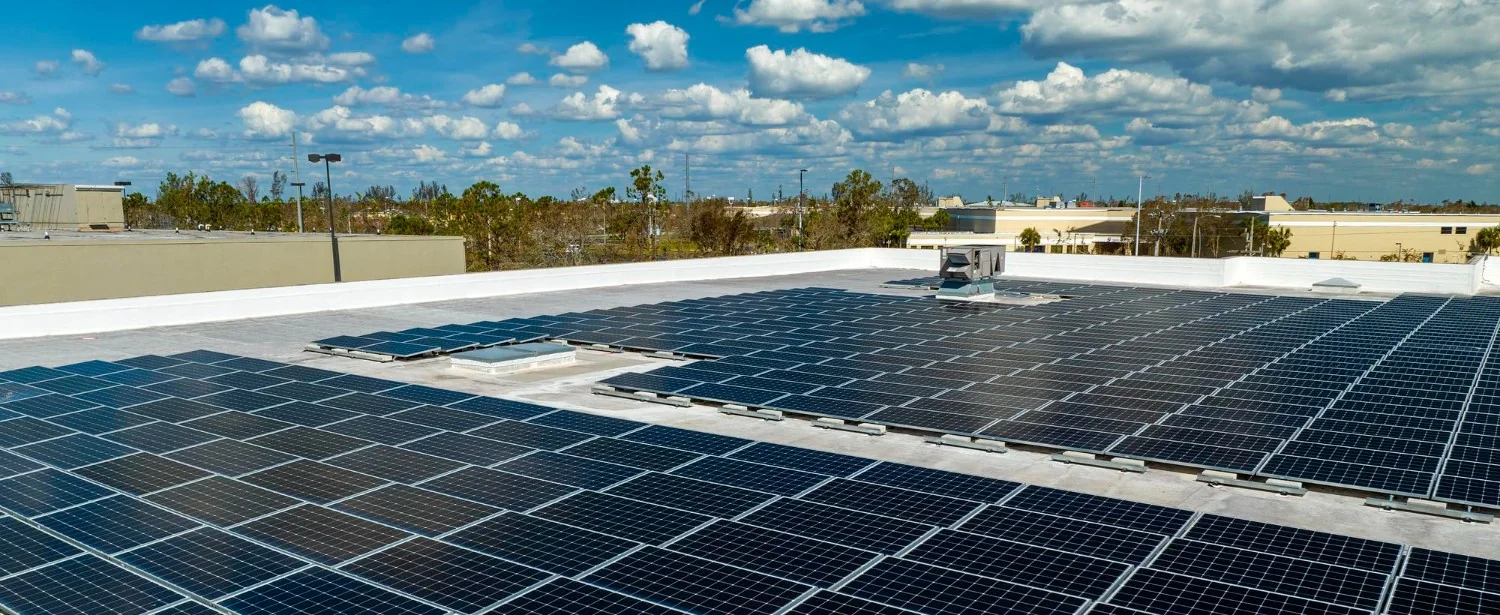
<ul><li><i>India’s rooftop solar capacity reached 30.7 GW in July 2026, increasing the need for better grid management and flexibility.</i></li><li><i>Kerala and Maharashtra are exploring battery ener…

• 𝘛𝘩𝘦 𝘌𝘐𝘉 𝘎𝘳𝘰𝘶𝘱 𝘱𝘭𝘢𝘯𝘴 𝘵𝘰 𝘱𝘳𝘰𝘷𝘪𝘥𝘦 𝘢𝘵 𝘭𝘦𝘢𝘴𝘵 €30 𝘣𝘪𝘭𝘭𝘪𝘰𝘯 𝘧𝘰𝘳 𝘤𝘭𝘪𝘮𝘢𝘵𝘦 𝘢𝘥𝘢𝘱𝘵𝘢𝘵𝘪𝘰𝘯 𝘣𝘦𝘵𝘸𝘦𝘦𝘯 2026 𝘢𝘯𝘥 2030. • 𝘛𝘩𝘦 𝘯𝘦𝘸 𝘵𝘢𝘳𝘨𝘦𝘵 𝘥𝘰𝘶𝘣𝘭𝘦𝘴 𝘢𝘥𝘢𝘱𝘵𝘢𝘵𝘪𝘰𝘯 𝘧𝘪𝘯𝘢𝘯𝘤𝘪𝘯𝘨 𝘤𝘰𝘮𝘱𝘢𝘳𝘦𝘥 𝘸𝘪𝘵𝘩 𝘵𝘩𝘦 𝘱𝘳𝘦𝘷𝘪𝘰𝘶𝘴 𝘧𝘪𝘷𝘦-𝘺𝘦𝘢𝘳 𝘱𝘦𝘳𝘪𝘰𝘥. • 𝘍𝘶𝘯𝘥𝘪𝘯𝘨…