

27 July 2026
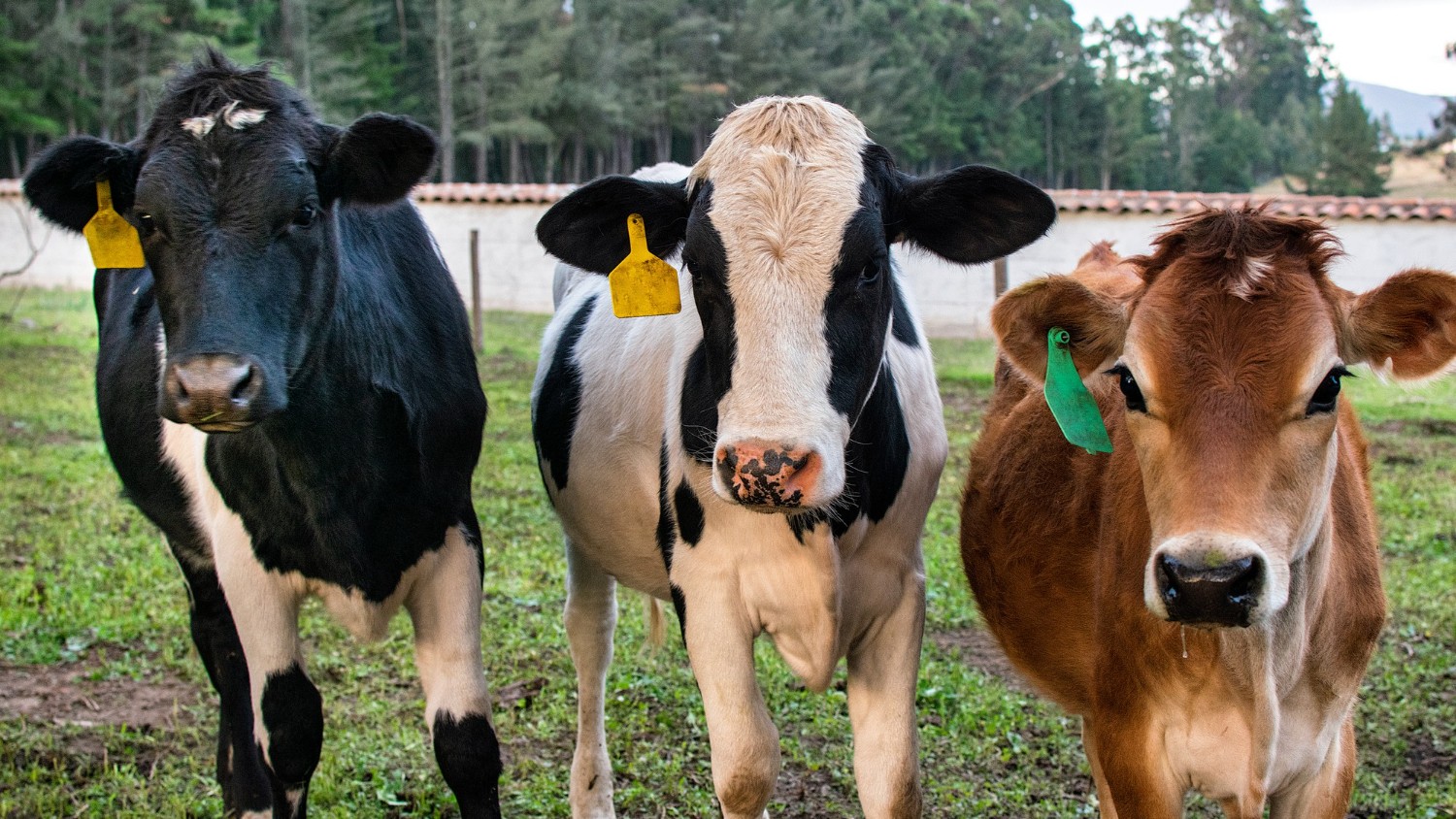
The United States will begin reopening its border to Mexican cattle imports on August 24, more than a year after suspending trade over concerns about the spread of the New World screwworm. The first reopening will take place at the Douglas, Arizona, border crossing, with the Santa Teresa and Columbus crossings in New Mexico expected to follow at dates yet to be announced.
The U.S. Department of Agriculture said cattle imports will resume under a joint action plan requiring strict compliance and inspections to prevent screwworm larvae from entering the United States. The decision comes despite the parasite being detected in Texas and southeastern New Mexico, where more than 30 cases have been reported.
Mexico's outbreak, first detected in November 2024, has spread to 29 of the country's 32 states, with 1,792 active cases reported. The New World screwworm is a parasitic fly larva that attacks warm-blooded animals and can also affect humans.
Mexican President Claudia Sheinbaum said Mexico will accelerate preparations to resume cattle movements through Sonora and later Chihuahua, where five recent cases have been reported. She described the agreement as an example of cooperation and dialogue between the two countries.
The reopening is expected to provide relief to Mexico's livestock industry, which has suffered multimillion-dollar losses during the suspension. However, continued monitoring and coordinated disease-control measures will remain critical as both countries work to balance the resumption of cross-border trade with biosecurity concerns.
Bio-security disruptions in beef and livestock supply chains are becoming a real climate-and-disclosure issue - they shift methane emission profiles, land-use pressure and TNFD-relevant risk exposure. Our supply-chain-and-operations and sustainability-due-diligence teams help agri-food clients evaluate what these disruptions mean for sourcing, disclosure and long-term supply resilience.

• 𝘛𝘩𝘦 𝘜𝘈𝘌 𝘍𝘰𝘰𝘥 𝘉𝘢𝘯𝘬 𝘢𝘯𝘥 𝘋𝘶𝘣𝘢𝘪’𝘴 𝘊𝘰𝘮𝘮𝘶𝘯𝘪𝘵𝘺 𝘋𝘦𝘷𝘦𝘭𝘰𝘱𝘮𝘦𝘯𝘵 𝘈𝘶𝘵𝘩𝘰𝘳𝘪𝘵𝘺 (𝘊𝘋𝘈) 𝘩𝘢𝘷𝘦 𝘴𝘪𝘨𝘯𝘦𝘥 𝘢𝘯 𝘢𝘨𝘳𝘦𝘦𝘮𝘦𝘯𝘵 𝘵𝘰 𝘤𝘰𝘭𝘭𝘦𝘤𝘵 𝘢𝘯𝘥 𝘳𝘦𝘥𝘪𝘴𝘵𝘳𝘪𝘣𝘶𝘵𝘦 𝘴𝘶𝘳𝘱𝘭𝘶𝘴 𝘧𝘰𝘰𝘥 𝘧𝘳𝘰𝘮 𝘸𝘦𝘥𝘥𝘪𝘯𝘨𝘴 𝘢𝘯𝘥 𝘦𝘷𝘦𝘯𝘵𝘴. • 𝘛𝘩𝘦 𝘪𝘯𝘪𝘵𝘪𝘢𝘵𝘪𝘷𝘦 𝘸𝘪𝘭𝘭 𝘧𝘰𝘭𝘭𝘰𝘸 𝘢𝘱𝘱𝘳𝘰𝘷𝘦𝘥…

<ul><li><i>India’s rooftop solar capacity reached 30.7 GW in July 2026, increasing the need for better grid management and flexibility.</i></li><li><i>Kerala and Maharashtra are exploring battery ener…

• 𝘛𝘩𝘦 𝘌𝘐𝘉 𝘎𝘳𝘰𝘶𝘱 𝘱𝘭𝘢𝘯𝘴 𝘵𝘰 𝘱𝘳𝘰𝘷𝘪𝘥𝘦 𝘢𝘵 𝘭𝘦𝘢𝘴𝘵 €30 𝘣𝘪𝘭𝘭𝘪𝘰𝘯 𝘧𝘰𝘳 𝘤𝘭𝘪𝘮𝘢𝘵𝘦 𝘢𝘥𝘢𝘱𝘵𝘢𝘵𝘪𝘰𝘯 𝘣𝘦𝘵𝘸𝘦𝘦𝘯 2026 𝘢𝘯𝘥 2030. • 𝘛𝘩𝘦 𝘯𝘦𝘸 𝘵𝘢𝘳𝘨𝘦𝘵 𝘥𝘰𝘶𝘣𝘭𝘦𝘴 𝘢𝘥𝘢𝘱𝘵𝘢𝘵𝘪𝘰𝘯 𝘧𝘪𝘯𝘢𝘯𝘤𝘪𝘯𝘨 𝘤𝘰𝘮𝘱𝘢𝘳𝘦𝘥 𝘸𝘪𝘵𝘩 𝘵𝘩𝘦 𝘱𝘳𝘦𝘷𝘪𝘰𝘶𝘴 𝘧𝘪𝘷𝘦-𝘺𝘦𝘢𝘳 𝘱𝘦𝘳𝘪𝘰𝘥. • 𝘍𝘶𝘯𝘥𝘪𝘯𝘨…