

.jpg)
12 March 2026
The Trump administration has filed a lawsuit against California, challenging the state’s ambitious zero-emission vehicle (ZEV) mandates and greenhouse gas limits for cars and trucks, in the latest escalation of a long-running federal-state clash over climate policy.
The legal action, brought by the U.S. Department of Transportation against the California Air Resources Board (CARB), argues that California’s rules are preempted by federal law and therefore unlawful. The case was filed in federal court and seeks a ruling declaring the state’s zero-emission vehicle mandates unenforceable.
At the center of the dispute are California’s vehicle standards requiring automakers to steadily increase sales of electric vehicles and comply with stricter tailpipe emissions limits. The state’s long-term plan aims to phase out the sale of new gasoline-powered cars by 2035 under its Advanced Clean Cars II framework.
Federal officials argue the state’s policies create conflicting regulatory regimes for automakers. Jonathan Morrison, head of the National Highway Traffic Safety Administration, said the lawsuit would help manufacturers design vehicles under a single nationwide fuel economy standard.
California officials, however, dismissed the lawsuit as meritless. A spokesperson for Governor Gavin Newsom said the state would continue pursuing policies that promote cleaner vehicles and reduce dependence on volatile global oil markets.
California has historically been granted special authority to set stricter vehicle emissions standards due to its severe air pollution challenges. In 2022, the U.S. Environmental Protection Agency approved the state’s earlier rules known as Advanced Clean Cars I, which California maintains are still in force.
The lawsuit follows other federal actions targeting California’s climate policies. The administration previously challenged the state’s stricter emissions standards for heavy-duty trucks and supported congressional efforts to revoke California’s authority to ban gasoline-powered vehicle sales after 2035.
The dispute reflects a broader policy divide over the future of U.S. transportation. While California argues that stronger EV mandates will lower long-term fuel costs and cut emissions, the federal government has moved to weaken national fuel economy and tailpipe rules, setting up a potentially prolonged legal battle over the direction of American climate and automotive policy.
Federal litigation against California EV mandates escalates the state-versus-federal conflict that shapes US auto-industry planning, and it directly affects how OEMs and suppliers should structure fleet-electrification bets. Our energy-transition and market-intelligence teams help clients build multi-scenario planning that stays robust across federal-state divergence.

• 𝘛𝘩𝘦 𝘜𝘈𝘌 𝘍𝘰𝘰𝘥 𝘉𝘢𝘯𝘬 𝘢𝘯𝘥 𝘋𝘶𝘣𝘢𝘪’𝘴 𝘊𝘰𝘮𝘮𝘶𝘯𝘪𝘵𝘺 𝘋𝘦𝘷𝘦𝘭𝘰𝘱𝘮𝘦𝘯𝘵 𝘈𝘶𝘵𝘩𝘰𝘳𝘪𝘵𝘺 (𝘊𝘋𝘈) 𝘩𝘢𝘷𝘦 𝘴𝘪𝘨𝘯𝘦𝘥 𝘢𝘯 𝘢𝘨𝘳𝘦𝘦𝘮𝘦𝘯𝘵 𝘵𝘰 𝘤𝘰𝘭𝘭𝘦𝘤𝘵 𝘢𝘯𝘥 𝘳𝘦𝘥𝘪𝘴𝘵𝘳𝘪𝘣𝘶𝘵𝘦 𝘴𝘶𝘳𝘱𝘭𝘶𝘴 𝘧𝘰𝘰𝘥 𝘧𝘳𝘰𝘮 𝘸𝘦𝘥𝘥𝘪𝘯𝘨𝘴 𝘢𝘯𝘥 𝘦𝘷𝘦𝘯𝘵𝘴. • 𝘛𝘩𝘦 𝘪𝘯𝘪𝘵𝘪𝘢𝘵𝘪𝘷𝘦 𝘸𝘪𝘭𝘭 𝘧𝘰𝘭𝘭𝘰𝘸 𝘢𝘱𝘱𝘳𝘰𝘷𝘦𝘥…
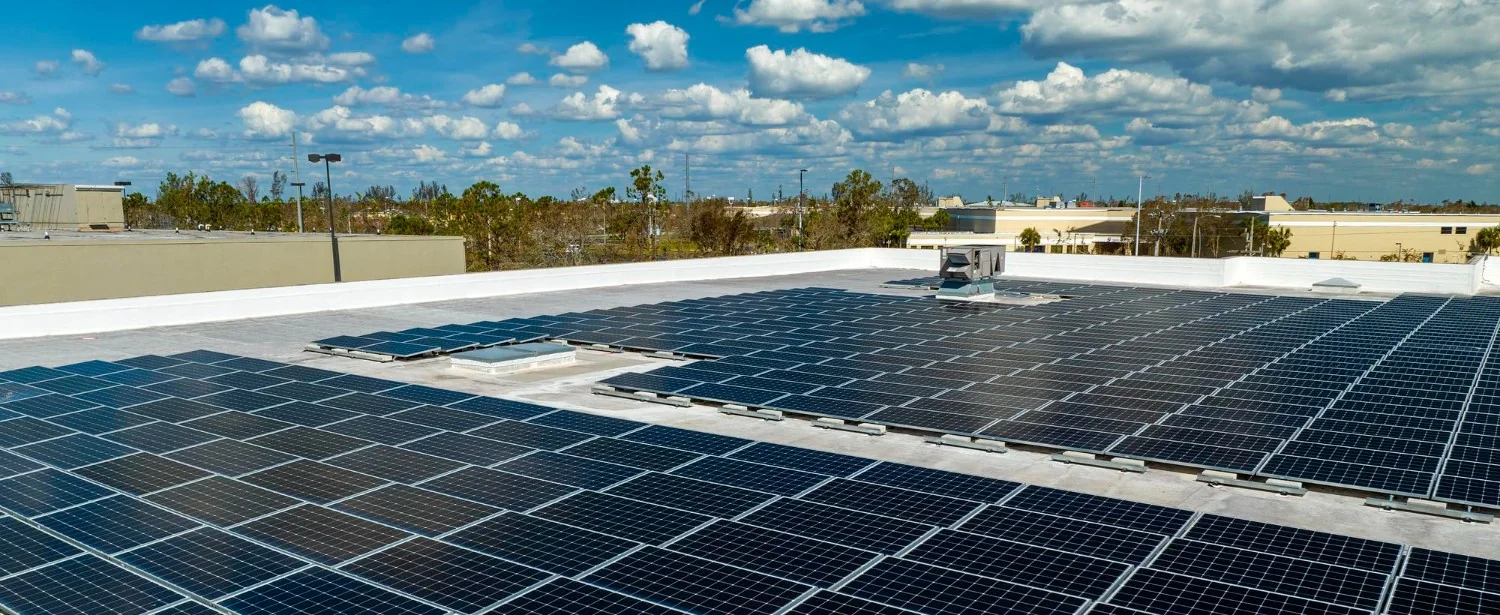
<ul><li><i>India’s rooftop solar capacity reached 30.7 GW in July 2026, increasing the need for better grid management and flexibility.</i></li><li><i>Kerala and Maharashtra are exploring battery ener…

• 𝘛𝘩𝘦 𝘌𝘐𝘉 𝘎𝘳𝘰𝘶𝘱 𝘱𝘭𝘢𝘯𝘴 𝘵𝘰 𝘱𝘳𝘰𝘷𝘪𝘥𝘦 𝘢𝘵 𝘭𝘦𝘢𝘴𝘵 €30 𝘣𝘪𝘭𝘭𝘪𝘰𝘯 𝘧𝘰𝘳 𝘤𝘭𝘪𝘮𝘢𝘵𝘦 𝘢𝘥𝘢𝘱𝘵𝘢𝘵𝘪𝘰𝘯 𝘣𝘦𝘵𝘸𝘦𝘦𝘯 2026 𝘢𝘯𝘥 2030. • 𝘛𝘩𝘦 𝘯𝘦𝘸 𝘵𝘢𝘳𝘨𝘦𝘵 𝘥𝘰𝘶𝘣𝘭𝘦𝘴 𝘢𝘥𝘢𝘱𝘵𝘢𝘵𝘪𝘰𝘯 𝘧𝘪𝘯𝘢𝘯𝘤𝘪𝘯𝘨 𝘤𝘰𝘮𝘱𝘢𝘳𝘦𝘥 𝘸𝘪𝘵𝘩 𝘵𝘩𝘦 𝘱𝘳𝘦𝘷𝘪𝘰𝘶𝘴 𝘧𝘪𝘷𝘦-𝘺𝘦𝘢𝘳 𝘱𝘦𝘳𝘪𝘰𝘥. • 𝘍𝘶𝘯𝘥𝘪𝘯𝘨…