

.jpg)
12 March 2026
Singapore’s central bank, the Monetary Authority of Singapore (MAS), has issued new guidelines outlining how banks, insurers and asset managers should manage climate-related risks. The framework sets supervisory expectations for financial institutions to strengthen their risk management practices and improve resilience to climate impacts.
The guidelines require financial institutions to assess both physical risks from climate change and transition risks linked to the shift toward low-carbon economies. Firms are expected to integrate climate considerations into governance structures, business strategies and risk-management systems to better identify and manage potential financial exposures.
MAS also encourages institutions to engage with clients and portfolio companies to help them manage climate risks instead of immediately withdrawing financing from high-emission sectors. Regulators say such engagement can help support an orderly transition while maintaining financial stability.
The new guidance expands Singapore’s Environmental Risk Management framework introduced in 2020 and will take effect in September 2027, following an 18-month transition period for financial institutions to strengthen governance, data capabilities and climate risk analysis.
MAS's expanded climate-risk supervisory framework - covering both physical and transition risk, with September 2027 implementation - reflects continued Singapore leadership in Asian sustainable-finance regulation. The engagement-first approach (working with clients to manage risk rather than immediate divestment) aligns with growing consensus that orderly transition supports both financial stability and climate outcomes better than abrupt reallocation.
For banks, insurers and asset managers operating in Singapore, the 18-month transition period is significant runway but requires substantive capability build across governance, data systems and analytical methodology. Firms that treat this as strategic capability development rather than compliance overhead often find that climate-risk analysis strengthens broader credit and portfolio-management processes.
For financial institutions preparing for MAS's expanded requirements, Cognitud's climate action, responsible investment and sustainability due diligence teams help clients build climate-risk analytical capability, structure client-engagement programmes aligned with transition-support expectations, and prepare disclosures aligned with MAS, ISSB S2 and TCFD frameworks that increasingly shape competitive positioning in Asian sustainable-finance markets.

• 𝘛𝘩𝘦 𝘜𝘈𝘌 𝘍𝘰𝘰𝘥 𝘉𝘢𝘯𝘬 𝘢𝘯𝘥 𝘋𝘶𝘣𝘢𝘪’𝘴 𝘊𝘰𝘮𝘮𝘶𝘯𝘪𝘵𝘺 𝘋𝘦𝘷𝘦𝘭𝘰𝘱𝘮𝘦𝘯𝘵 𝘈𝘶𝘵𝘩𝘰𝘳𝘪𝘵𝘺 (𝘊𝘋𝘈) 𝘩𝘢𝘷𝘦 𝘴𝘪𝘨𝘯𝘦𝘥 𝘢𝘯 𝘢𝘨𝘳𝘦𝘦𝘮𝘦𝘯𝘵 𝘵𝘰 𝘤𝘰𝘭𝘭𝘦𝘤𝘵 𝘢𝘯𝘥 𝘳𝘦𝘥𝘪𝘴𝘵𝘳𝘪𝘣𝘶𝘵𝘦 𝘴𝘶𝘳𝘱𝘭𝘶𝘴 𝘧𝘰𝘰𝘥 𝘧𝘳𝘰𝘮 𝘸𝘦𝘥𝘥𝘪𝘯𝘨𝘴 𝘢𝘯𝘥 𝘦𝘷𝘦𝘯𝘵𝘴. • 𝘛𝘩𝘦 𝘪𝘯𝘪𝘵𝘪𝘢𝘵𝘪𝘷𝘦 𝘸𝘪𝘭𝘭 𝘧𝘰𝘭𝘭𝘰𝘸 𝘢𝘱𝘱𝘳𝘰𝘷𝘦𝘥…
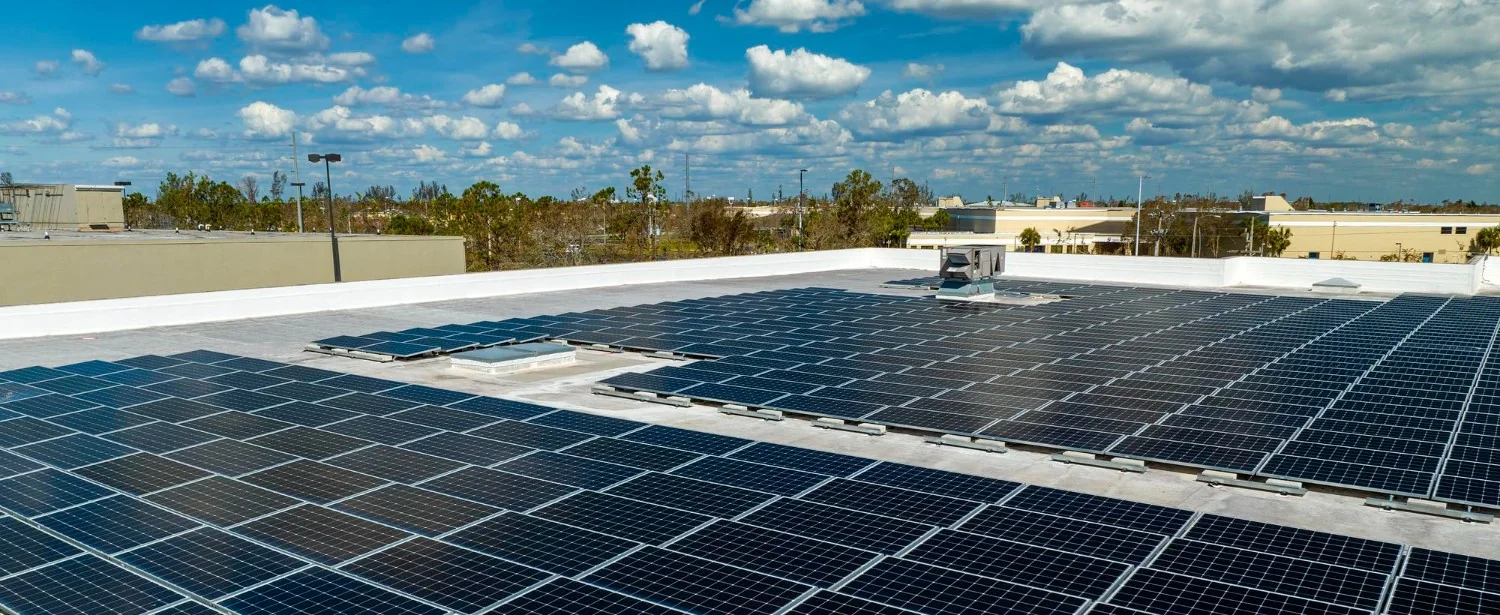
<ul><li><i>India’s rooftop solar capacity reached 30.7 GW in July 2026, increasing the need for better grid management and flexibility.</i></li><li><i>Kerala and Maharashtra are exploring battery ener…

• 𝘛𝘩𝘦 𝘌𝘐𝘉 𝘎𝘳𝘰𝘶𝘱 𝘱𝘭𝘢𝘯𝘴 𝘵𝘰 𝘱𝘳𝘰𝘷𝘪𝘥𝘦 𝘢𝘵 𝘭𝘦𝘢𝘴𝘵 €30 𝘣𝘪𝘭𝘭𝘪𝘰𝘯 𝘧𝘰𝘳 𝘤𝘭𝘪𝘮𝘢𝘵𝘦 𝘢𝘥𝘢𝘱𝘵𝘢𝘵𝘪𝘰𝘯 𝘣𝘦𝘵𝘸𝘦𝘦𝘯 2026 𝘢𝘯𝘥 2030. • 𝘛𝘩𝘦 𝘯𝘦𝘸 𝘵𝘢𝘳𝘨𝘦𝘵 𝘥𝘰𝘶𝘣𝘭𝘦𝘴 𝘢𝘥𝘢𝘱𝘵𝘢𝘵𝘪𝘰𝘯 𝘧𝘪𝘯𝘢𝘯𝘤𝘪𝘯𝘨 𝘤𝘰𝘮𝘱𝘢𝘳𝘦𝘥 𝘸𝘪𝘵𝘩 𝘵𝘩𝘦 𝘱𝘳𝘦𝘷𝘪𝘰𝘶𝘴 𝘧𝘪𝘷𝘦-𝘺𝘦𝘢𝘳 𝘱𝘦𝘳𝘪𝘰𝘥. • 𝘍𝘶𝘯𝘥𝘪𝘯𝘨…