

.jpg)
06 April 2026
The Environmental Protection Agency and the Department of Health and Human Services have announced a landmark initiative to monitor microplastics and pharmaceuticals in U.S. drinking water, marking a critical first step toward understanding their potential health impacts and shaping future regulation.
Under the plan, both contaminants will be added to the sixth Contaminant Candidate List, triggering nationwide testing, research funding, and data collection under the Safe Drinking Water Act. This process could eventually lead to formal regulatory limits if risks to public health are confirmed.
Officials, including EPA Administrator Lee Zeldin and Health Secretary Robert F. Kennedy Jr., framed the move as part of a broader public health push. The EPA will also establish health benchmarks for 374 pharmaceutical compounds commonly found in water systems.
Microplastics-tiny fragments of plastic detected in ecosystems, drinking water, and even human bodies-have raised growing concern among scientists, with some studies linking them to cancer and reproductive harm. Pharmaceuticals, meanwhile, typically enter water supplies through human waste and improper disposal.
The initiative follows mounting pressure from states and advocacy groups, including a petition backed by multiple governors and over 170 environmental and health organizations. While environmental groups welcomed the move as a necessary first step, industry representatives emphasized the need for science-based conclusions, noting that evidence on health impacts remains inconclusive.
As monitoring begins, the effort signals a significant shift toward addressing emerging contaminants-placing water quality, public health, and scientific uncertainty at the center of future U.S. environmental policy.
Nationwide monitoring of emerging contaminants is the beginning of formal disclosure obligations for water utilities, chemical manufacturers and consumer-goods brands upstream. Our sustainability-due-diligence and impact-assessment teams help clients evaluate what monitoring frameworks mean for exposure and align with CDP Water and ISSB S2 disclosure.

• 𝘛𝘩𝘦 𝘜𝘈𝘌 𝘍𝘰𝘰𝘥 𝘉𝘢𝘯𝘬 𝘢𝘯𝘥 𝘋𝘶𝘣𝘢𝘪’𝘴 𝘊𝘰𝘮𝘮𝘶𝘯𝘪𝘵𝘺 𝘋𝘦𝘷𝘦𝘭𝘰𝘱𝘮𝘦𝘯𝘵 𝘈𝘶𝘵𝘩𝘰𝘳𝘪𝘵𝘺 (𝘊𝘋𝘈) 𝘩𝘢𝘷𝘦 𝘴𝘪𝘨𝘯𝘦𝘥 𝘢𝘯 𝘢𝘨𝘳𝘦𝘦𝘮𝘦𝘯𝘵 𝘵𝘰 𝘤𝘰𝘭𝘭𝘦𝘤𝘵 𝘢𝘯𝘥 𝘳𝘦𝘥𝘪𝘴𝘵𝘳𝘪𝘣𝘶𝘵𝘦 𝘴𝘶𝘳𝘱𝘭𝘶𝘴 𝘧𝘰𝘰𝘥 𝘧𝘳𝘰𝘮 𝘸𝘦𝘥𝘥𝘪𝘯𝘨𝘴 𝘢𝘯𝘥 𝘦𝘷𝘦𝘯𝘵𝘴. • 𝘛𝘩𝘦 𝘪𝘯𝘪𝘵𝘪𝘢𝘵𝘪𝘷𝘦 𝘸𝘪𝘭𝘭 𝘧𝘰𝘭𝘭𝘰𝘸 𝘢𝘱𝘱𝘳𝘰𝘷𝘦𝘥…
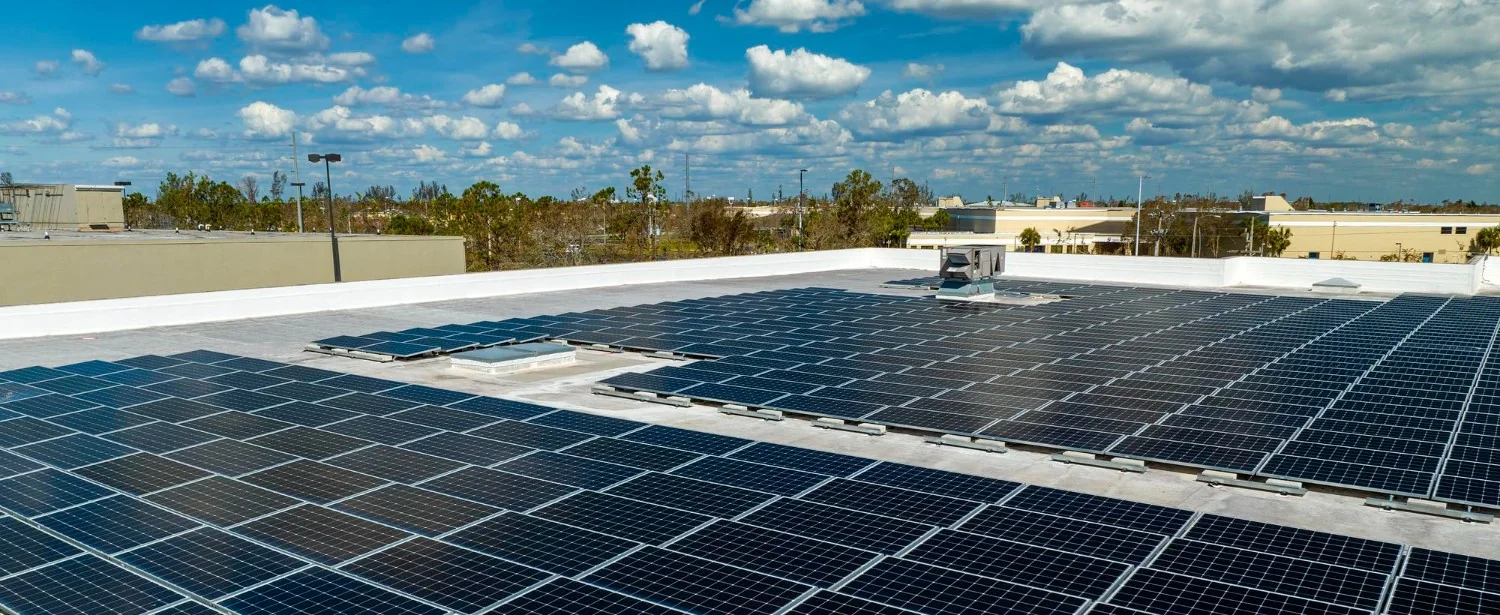
<ul><li><i>India’s rooftop solar capacity reached 30.7 GW in July 2026, increasing the need for better grid management and flexibility.</i></li><li><i>Kerala and Maharashtra are exploring battery ener…

• 𝘛𝘩𝘦 𝘌𝘐𝘉 𝘎𝘳𝘰𝘶𝘱 𝘱𝘭𝘢𝘯𝘴 𝘵𝘰 𝘱𝘳𝘰𝘷𝘪𝘥𝘦 𝘢𝘵 𝘭𝘦𝘢𝘴𝘵 €30 𝘣𝘪𝘭𝘭𝘪𝘰𝘯 𝘧𝘰𝘳 𝘤𝘭𝘪𝘮𝘢𝘵𝘦 𝘢𝘥𝘢𝘱𝘵𝘢𝘵𝘪𝘰𝘯 𝘣𝘦𝘵𝘸𝘦𝘦𝘯 2026 𝘢𝘯𝘥 2030. • 𝘛𝘩𝘦 𝘯𝘦𝘸 𝘵𝘢𝘳𝘨𝘦𝘵 𝘥𝘰𝘶𝘣𝘭𝘦𝘴 𝘢𝘥𝘢𝘱𝘵𝘢𝘵𝘪𝘰𝘯 𝘧𝘪𝘯𝘢𝘯𝘤𝘪𝘯𝘨 𝘤𝘰𝘮𝘱𝘢𝘳𝘦𝘥 𝘸𝘪𝘵𝘩 𝘵𝘩𝘦 𝘱𝘳𝘦𝘷𝘪𝘰𝘶𝘴 𝘧𝘪𝘷𝘦-𝘺𝘦𝘢𝘳 𝘱𝘦𝘳𝘪𝘰𝘥. • 𝘍𝘶𝘯𝘥𝘪𝘯𝘨…