

.jpg)
02 April 2026
The European Union is facing growing calls to accelerate the overhaul of its electricity grid infrastructure to support the transition to a more sustainable energy system. Policymakers and industry stakeholders have emphasised that existing grid networks are insufficient to handle the rapid expansion of renewable energy sources across the region.
The push highlights the urgent need for modernised transmission and distribution systems capable of integrating variable renewable energy such as wind and solar. Without significant upgrades, grid limitations could slow down decarbonisation efforts and create bottlenecks in energy distribution.
Experts have pointed to the importance of increased investment, regulatory coordination and cross-border infrastructure development to ensure a more resilient and interconnected energy system. Strengthening grid capacity is seen as essential to maintaining energy security while advancing climate targets.
The discussion reflects broader challenges facing the EU as it seeks to balance rising electricity demand, renewable energy integration and infrastructure readiness. Accelerating grid modernisation is increasingly viewed as a critical enabler of the region’s long-term sustainability and net-zero ambitions.
Grid infrastructure is one of the more under-appreciated bottlenecks in Europe's energy transition. Even where renewable generation is being deployed at pace, transmission and distribution capacity constraints frequently limit how much of that generation can actually reach consumers. Grid modernisation investment requirements across the EU are estimated in the hundreds of billions of euros through 2030.
The cross-border interconnection dimension is particularly important. Southern Europe's solar surplus and Northern Europe's wind surplus can only balance each other if the physical grid architecture supports the flows. Regulatory coordination across national transmission operators has historically been slower than technology deployment, creating a structural mismatch.
For utilities, transmission operators, renewable developers, industrial consumers and financial institutions supporting European energy infrastructure, Cognitud's energy transition, market intelligence and responsible investment teams help clients evaluate grid-modernisation investment opportunities, structure cross-border partnership arrangements, and prepare disclosures aligned with EU taxonomy, CSRD and ISSB expectations that increasingly determine capital access for grid-and-generation infrastructure investment.

• 𝘛𝘩𝘦 𝘜𝘈𝘌 𝘍𝘰𝘰𝘥 𝘉𝘢𝘯𝘬 𝘢𝘯𝘥 𝘋𝘶𝘣𝘢𝘪’𝘴 𝘊𝘰𝘮𝘮𝘶𝘯𝘪𝘵𝘺 𝘋𝘦𝘷𝘦𝘭𝘰𝘱𝘮𝘦𝘯𝘵 𝘈𝘶𝘵𝘩𝘰𝘳𝘪𝘵𝘺 (𝘊𝘋𝘈) 𝘩𝘢𝘷𝘦 𝘴𝘪𝘨𝘯𝘦𝘥 𝘢𝘯 𝘢𝘨𝘳𝘦𝘦𝘮𝘦𝘯𝘵 𝘵𝘰 𝘤𝘰𝘭𝘭𝘦𝘤𝘵 𝘢𝘯𝘥 𝘳𝘦𝘥𝘪𝘴𝘵𝘳𝘪𝘣𝘶𝘵𝘦 𝘴𝘶𝘳𝘱𝘭𝘶𝘴 𝘧𝘰𝘰𝘥 𝘧𝘳𝘰𝘮 𝘸𝘦𝘥𝘥𝘪𝘯𝘨𝘴 𝘢𝘯𝘥 𝘦𝘷𝘦𝘯𝘵𝘴. • 𝘛𝘩𝘦 𝘪𝘯𝘪𝘵𝘪𝘢𝘵𝘪𝘷𝘦 𝘸𝘪𝘭𝘭 𝘧𝘰𝘭𝘭𝘰𝘸 𝘢𝘱𝘱𝘳𝘰𝘷𝘦𝘥…
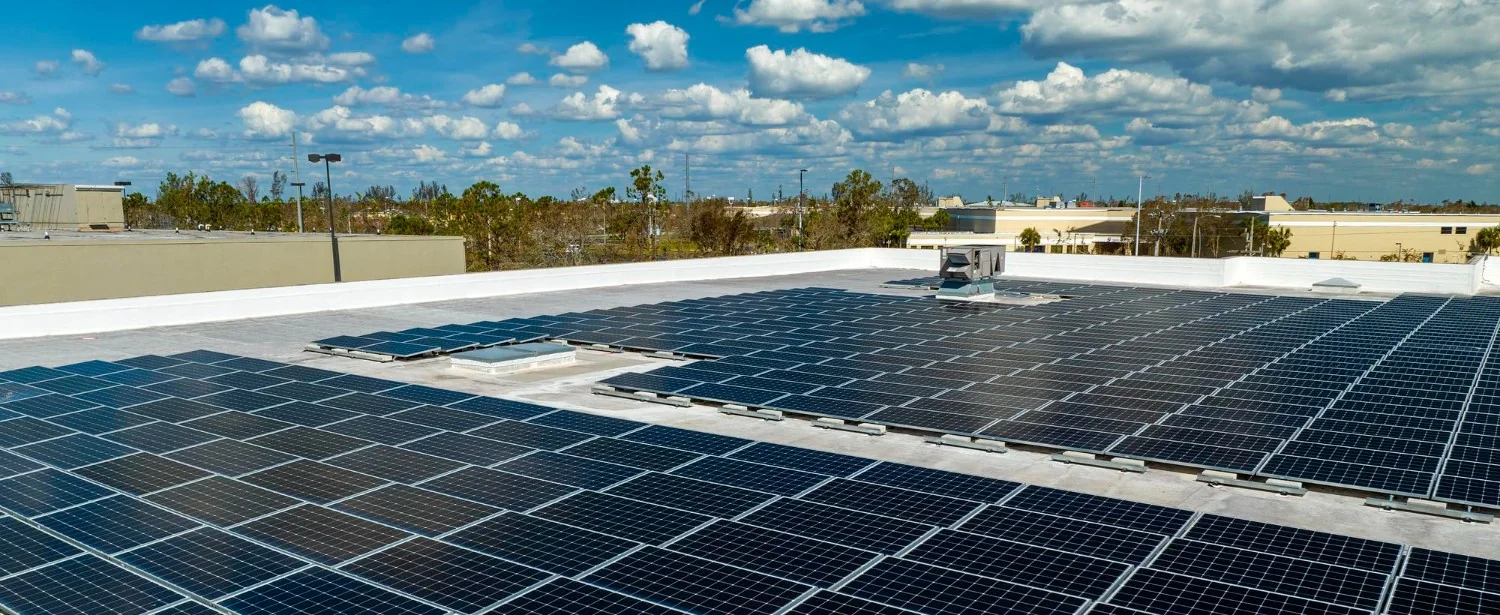
<ul><li><i>India’s rooftop solar capacity reached 30.7 GW in July 2026, increasing the need for better grid management and flexibility.</i></li><li><i>Kerala and Maharashtra are exploring battery ener…
• 𝘛𝘩𝘦 𝘌𝘐𝘉 𝘎𝘳𝘰𝘶𝘱 𝘱𝘭𝘢𝘯𝘴 𝘵𝘰 𝘱𝘳𝘰𝘷𝘪𝘥𝘦 𝘢𝘵 𝘭𝘦𝘢𝘴𝘵 €30 𝘣𝘪𝘭𝘭𝘪𝘰𝘯 𝘧𝘰𝘳 𝘤𝘭𝘪𝘮𝘢𝘵𝘦 𝘢𝘥𝘢𝘱𝘵𝘢𝘵𝘪𝘰𝘯 𝘣𝘦𝘵𝘸𝘦𝘦𝘯 2026 𝘢𝘯𝘥 2030. • 𝘛𝘩𝘦 𝘯𝘦𝘸 𝘵𝘢𝘳𝘨𝘦𝘵 𝘥𝘰𝘶𝘣𝘭𝘦𝘴 𝘢𝘥𝘢𝘱𝘵𝘢𝘵𝘪𝘰𝘯 𝘧𝘪𝘯𝘢𝘯𝘤𝘪𝘯𝘨 𝘤𝘰𝘮𝘱𝘢𝘳𝘦𝘥 𝘸𝘪𝘵𝘩 𝘵𝘩𝘦 𝘱𝘳𝘦𝘷𝘪𝘰𝘶𝘴 𝘧𝘪𝘷𝘦-𝘺𝘦𝘢𝘳 𝘱𝘦𝘳𝘪𝘰𝘥. • 𝘍𝘶𝘯𝘥𝘪𝘯𝘨…