


05 August 2025
In July 2025, the UK Government-alongside Scotland, Wales and Northern Ireland-announced a landmark climate policy: by 2029, the UK Emissions Trading Scheme (UK ETS) will formally accept verified greenhouse gas removals (GGRs).
This move marks a strategic shift from a market solely focused on emissions reductions toward one that also monetizes high-integrity carbon removal, thereby bolstering market credibility, supporting net‑zero objectives, and enabling cost-efficient decarbonisation across hard‑to‑abate sectors such as aviation and heavy industry.
The planned integration involves key design features to ensure robust and trustworthy implementation. Removal credits will only be issued after sequestration is verified, and projects must ensure carbon storage for at least 200 years, backed by liability and buffer‑pool mechanisms.
The total allowance cap of the UK ETS will remain unchanged: for every new removal credit issued, one fewer regular allowance will be granted, preserving the integrity of the emissions ceiling. Initially, eligibility is limited to domestic UK removal projects.
Market actors and carbon removal developers have largely welcomed the announcement, particularly the proposed removal auctions, which could provide a reliable route to revenue. However, questions remain around which specific removal technologies and credit types will qualify, leading to calls for further clarification.
In addition to supporting engineered removals like Direct Air Capture (DAC) and Bioenergy with Carbon Capture and Storage (BECCS), the government is still evaluating whether high‑quality nature‑based solutions such as woodland removals should be included in the UK ETS, pending further stakeholder consultations later in the year.
Bringing carbon removals into the UK ETS is one of the more consequential moves in carbon-market design - it starts to route high-integrity removals into compliance markets at scale, which materially changes both credit demand and project economics. Our climate-action and responsible-investment teams help clients evaluate carbon-removal opportunities against ETS-integration timelines and voluntary-market credibility.

• 𝘛𝘩𝘦 𝘜𝘈𝘌 𝘍𝘰𝘰𝘥 𝘉𝘢𝘯𝘬 𝘢𝘯𝘥 𝘋𝘶𝘣𝘢𝘪’𝘴 𝘊𝘰𝘮𝘮𝘶𝘯𝘪𝘵𝘺 𝘋𝘦𝘷𝘦𝘭𝘰𝘱𝘮𝘦𝘯𝘵 𝘈𝘶𝘵𝘩𝘰𝘳𝘪𝘵𝘺 (𝘊𝘋𝘈) 𝘩𝘢𝘷𝘦 𝘴𝘪𝘨𝘯𝘦𝘥 𝘢𝘯 𝘢𝘨𝘳𝘦𝘦𝘮𝘦𝘯𝘵 𝘵𝘰 𝘤𝘰𝘭𝘭𝘦𝘤𝘵 𝘢𝘯𝘥 𝘳𝘦𝘥𝘪𝘴𝘵𝘳𝘪𝘣𝘶𝘵𝘦 𝘴𝘶𝘳𝘱𝘭𝘶𝘴 𝘧𝘰𝘰𝘥 𝘧𝘳𝘰𝘮 𝘸𝘦𝘥𝘥𝘪𝘯𝘨𝘴 𝘢𝘯𝘥 𝘦𝘷𝘦𝘯𝘵𝘴. • 𝘛𝘩𝘦 𝘪𝘯𝘪𝘵𝘪𝘢𝘵𝘪𝘷𝘦 𝘸𝘪𝘭𝘭 𝘧𝘰𝘭𝘭𝘰𝘸 𝘢𝘱𝘱𝘳𝘰𝘷𝘦𝘥…
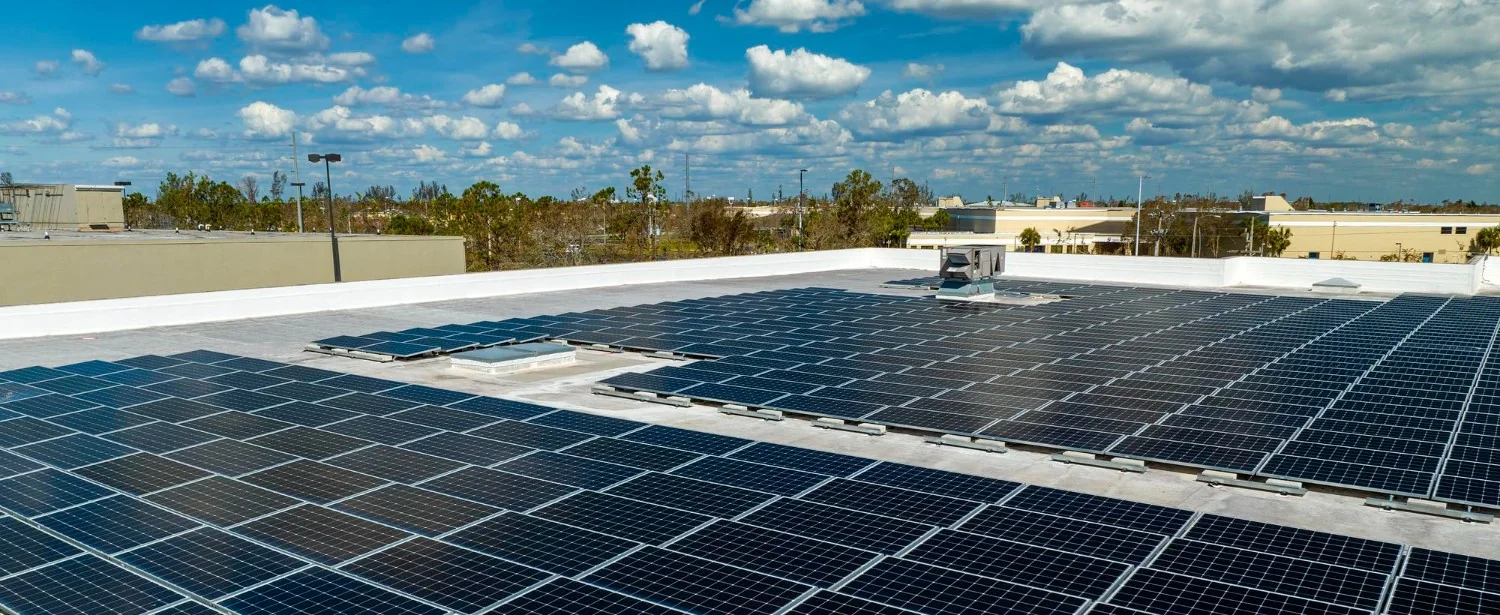
<ul><li><i>India’s rooftop solar capacity reached 30.7 GW in July 2026, increasing the need for better grid management and flexibility.</i></li><li><i>Kerala and Maharashtra are exploring battery ener…

• 𝘛𝘩𝘦 𝘌𝘐𝘉 𝘎𝘳𝘰𝘶𝘱 𝘱𝘭𝘢𝘯𝘴 𝘵𝘰 𝘱𝘳𝘰𝘷𝘪𝘥𝘦 𝘢𝘵 𝘭𝘦𝘢𝘴𝘵 €30 𝘣𝘪𝘭𝘭𝘪𝘰𝘯 𝘧𝘰𝘳 𝘤𝘭𝘪𝘮𝘢𝘵𝘦 𝘢𝘥𝘢𝘱𝘵𝘢𝘵𝘪𝘰𝘯 𝘣𝘦𝘵𝘸𝘦𝘦𝘯 2026 𝘢𝘯𝘥 2030. • 𝘛𝘩𝘦 𝘯𝘦𝘸 𝘵𝘢𝘳𝘨𝘦𝘵 𝘥𝘰𝘶𝘣𝘭𝘦𝘴 𝘢𝘥𝘢𝘱𝘵𝘢𝘵𝘪𝘰𝘯 𝘧𝘪𝘯𝘢𝘯𝘤𝘪𝘯𝘨 𝘤𝘰𝘮𝘱𝘢𝘳𝘦𝘥 𝘸𝘪𝘵𝘩 𝘵𝘩𝘦 𝘱𝘳𝘦𝘷𝘪𝘰𝘶𝘴 𝘧𝘪𝘷𝘦-𝘺𝘦𝘢𝘳 𝘱𝘦𝘳𝘪𝘰𝘥. • 𝘍𝘶𝘯𝘥𝘪𝘯𝘨…