


13 July 2026
The Trump administration has finalized a controversial revision to the implementation of the U.S. Endangered Species Act (ESA), significantly changing how threatened species are protected during federal permitting decisions.
The new rule removes habitat destruction from the regulatory definition of ""harm,"" meaning projects such as oil and gas development, mining, electric transmission, agriculture, and fishing operations may proceed even if they degrade or destroy critical habitats, provided they do not directly injure or kill protected wildlife.
The ESA, enacted more than 50 years ago, has played a central role in preventing the extinction of iconic species including the bald eagle and the California condor. Environmental advocates argue that safeguarding habitats is fundamental to species survival, as the loss of breeding, feeding, and nesting grounds can be just as damaging as direct harm to animals.
The Departments of the Interior and Commerce defended the rule, stating that it will reduce permitting delays and compliance costs while providing greater regulatory certainty for landowners and businesses. Interior Secretary Doug Burgum said the change restores ""common sense,"" respects private property rights, and better aligns implementation of the law with congressional intent.
The decision has drawn swift opposition from conservation groups. Earthjustice announced plans to challenge the rule in court, arguing that eliminating habitat protection undermines the very purpose of the ESA. The legal battle is expected to become a significant test of how far federal agencies can reinterpret one of the United States' most influential environmental laws.
ESA rollbacks push corporate biodiversity risk into private-litigation and international scrutiny channels (TNFD, SBTN, EU CSRD extraterritoriality), so US corporates should not treat federal deregulation as licence to weaken nature-risk disclosure. Our nature-based-solutions and sustainability-due-diligence teams help clients build biodiversity-risk infrastructure that stays robust across shifting federal signals.

The fifth day of the 31st UN Climate Change Conference (COP31), held on 13 November 2026 in Antalya, Türkiye, marked a shift from high-level political discussions to negotiations on the decisions need…
The World Leaders' Summit at COP31 wrapped up on 12 November 2026 in Antalya, Türkiye, with a strong focus on financing and accelerating reductions in methane and other non-CO₂ greenhouse gases. More…
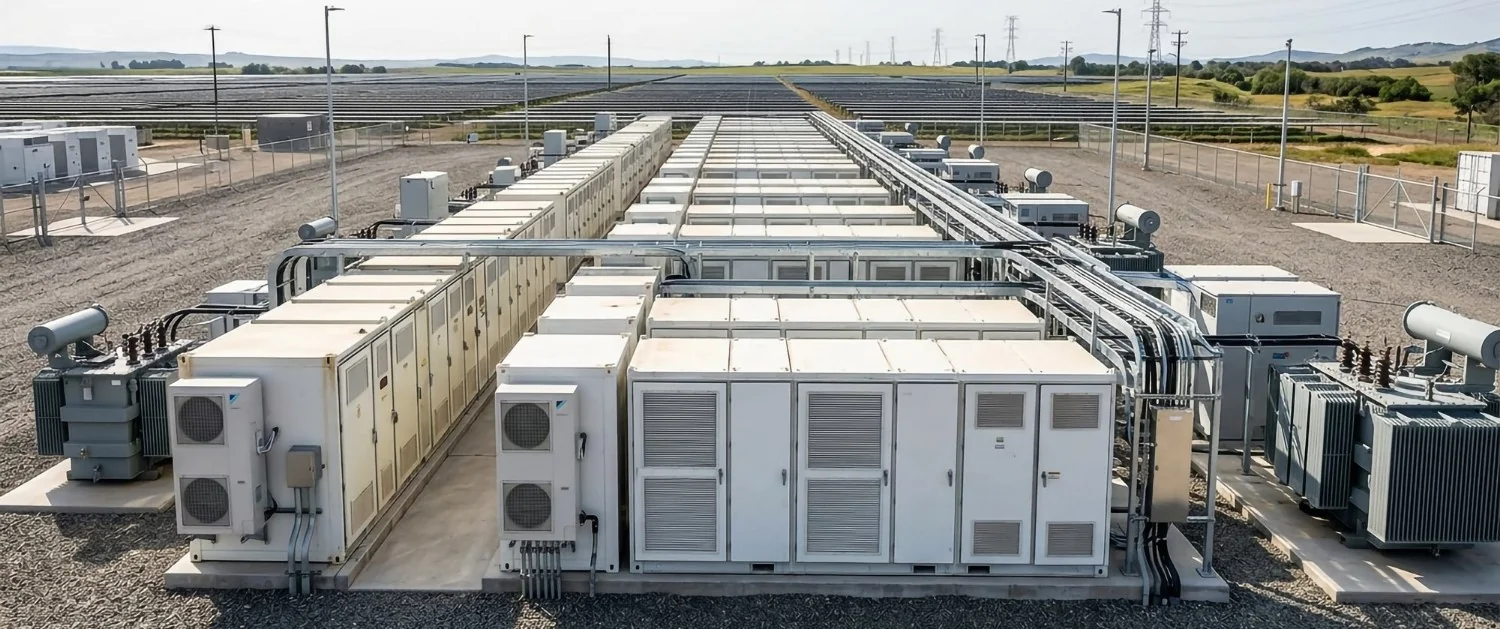
<ul><li><i>The New York State Energy Research and Development Authority (NYSERDA) launched its second competitive bulk energy storage solicitation on November 12, 2026.</i></li><li><i>The procurement…