

03 August 2026
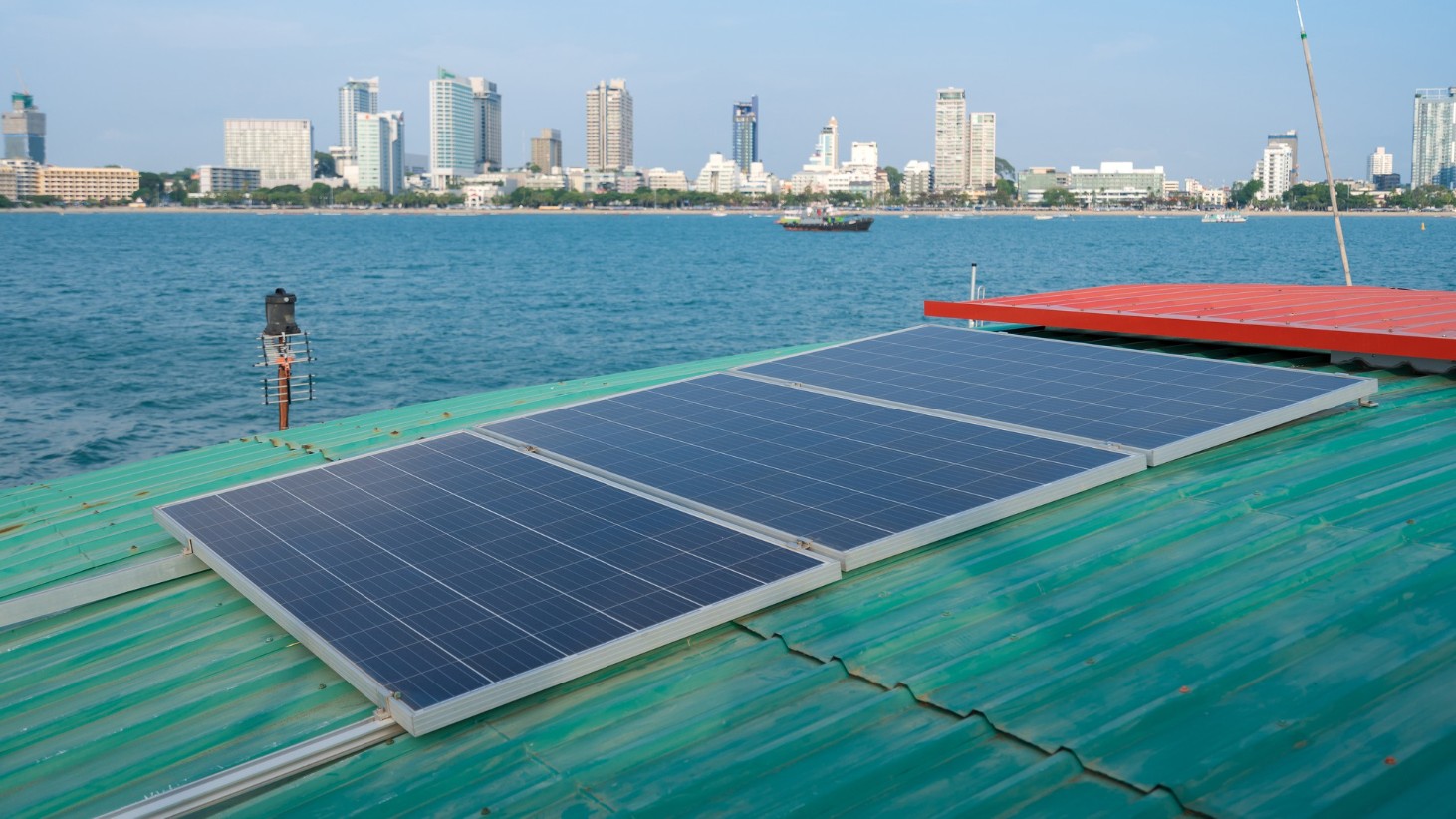
Singapore is strengthening its maritime decarbonization efforts with the completion of a 1,092-panel solar power system at Marina South Pier (MSP), helping reduce emissions from one of the country’s key passenger and port-support facilities.
Installed across approximately 3,200 square meters of rooftop and canopy space, the photovoltaic system is expected to generate up to 780,000 kWh of clean electricity annually. According to the Maritime and Port Authority of Singapore (MPA), that is roughly equivalent to the annual electricity consumption of 180 four-room HDB flats. The renewable power will meet a substantial portion of the pier’s daily electricity requirements, reducing reliance on conventional energy sources.
The project supports Singapore’s GreenGov.SG initiative, which encourages public-sector agencies to adopt cleaner energy and strengthen sustainability across government facilities. It also comes as Marina South Pier marks its 20th anniversary as a major gateway for ferry services to Singapore’s Southern Islands and a critical facility supporting crew changes for vessels at the Port of Singapore.
MPA plans to progressively upgrade the pier’s electrical infrastructure to maximize the solar system’s benefits and accommodate increasing demand for electric harbor craft charging. The upgrades are expected to support the wider shift toward cleaner maritime transport.
The solar installation forms part of MPA’s broader renewable energy strategy. On Pulau Satumu, the authority is replacing diesel generators with renewable energy systems and expects the island to operate entirely on renewable electricity by the end of 2027.
Together, these initiatives signal Singapore’s push to integrate renewable power into both shore-based maritime infrastructure and the future electrification of port operations.
Marina South Pier's solar deployment complements Singapore's broader green-shipping ambitions, and it changes port emissions accounting for maritime operators using the facility. Our energy-transition and impact-assessment teams help port and maritime clients evaluate what these facility-level decarbonization moves mean for Scope 2 disclosure.
• 𝘛𝘩𝘦 𝘜𝘚 𝘌𝘗𝘈 𝘱𝘳𝘰𝘱𝘰𝘴𝘦𝘴 𝘳𝘦𝘢𝘭𝘭𝘰𝘤𝘢𝘵𝘪𝘯𝘨 100% 𝘰𝘧 𝘸𝘢𝘪𝘷𝘦𝘥 𝘣𝘪𝘰𝘧𝘶𝘦𝘭 𝘰𝘣𝘭𝘪𝘨𝘢𝘵𝘪𝘰𝘯𝘴 𝘵𝘰 𝘭𝘢𝘳𝘨𝘦𝘳 𝘳𝘦𝘧𝘪𝘯𝘦𝘳𝘴 𝘰𝘷𝘦𝘳 𝘧𝘶𝘵𝘶𝘳𝘦 𝘤𝘰𝘮𝘱𝘭𝘪𝘢𝘯𝘤𝘦 𝘺𝘦𝘢𝘳𝘴. • 𝘛𝘩𝘦 𝘱𝘳𝘰𝘱𝘰𝘴𝘢𝘭 𝘧𝘰𝘭𝘭𝘰𝘸𝘴 𝘦𝘹𝘦𝘮𝘱𝘵𝘪𝘰𝘯𝘴 𝘤𝘰𝘷𝘦𝘳𝘪𝘯𝘨 1.76 𝘣𝘪𝘭𝘭𝘪𝘰𝘯 𝘙𝘦𝘯𝘦𝘸𝘢𝘣𝘭𝘦 𝘐𝘥𝘦𝘯𝘵𝘪𝘧𝘪𝘤𝘢𝘵𝘪𝘰𝘯…

• 𝘛𝘩𝘦 𝘌𝘶𝘳𝘰𝘱𝘦𝘢𝘯 𝘜𝘯𝘪𝘰𝘯 𝘱𝘭𝘢𝘯𝘴 𝘵𝘰 𝘱𝘶𝘳𝘴𝘶𝘦 𝘢𝘯 𝘪𝘮𝘱𝘭𝘦𝘮𝘦𝘯𝘵𝘢𝘵𝘪𝘰𝘯-𝘧𝘰𝘤𝘶𝘴𝘦𝘥 𝘨𝘭𝘰𝘣𝘢𝘭 𝘦𝘮𝘪𝘴𝘴𝘪𝘰𝘯𝘴 𝘳𝘦𝘥𝘶𝘤𝘵𝘪𝘰𝘯 𝘢𝘨𝘳𝘦𝘦𝘮𝘦𝘯𝘵 𝘢𝘵 𝘊𝘖𝘗31 𝘪𝘯 𝘛𝘶𝘳𝘬𝘦𝘺. • 𝘛𝘩𝘦 𝘱𝘳𝘰𝘱𝘰𝘴𝘢𝘭 𝘴𝘦𝘦𝘬𝘴 𝘵𝘰 𝘦𝘹𝘵𝘦𝘯𝘥 𝘵𝘩𝘦 𝘜𝘯𝘪𝘵𝘦𝘥 𝘕𝘢𝘵𝘪𝘰𝘯𝘴’ 𝘮𝘪𝘵𝘪𝘨𝘢𝘵𝘪𝘰𝘯 𝘸𝘰𝘳𝘬 𝘱𝘳𝘰𝘨𝘳𝘢𝘮𝘮𝘦 𝘶𝘯𝘵…
<ul><li><i>India’s draft National Steel Policy – Vision 2047 targets increasing steelmaking capacity from approximately 220 million tonnes to 604 million tonnes by 2047.</i></li><li><i>The proposal ai…