


05 May 2026
Singapore and the Philippines have signed a bilateral carbon credit agreement, strengthening regional climate cooperation and expanding carbon markets in Southeast Asia. The deal, signed on April 30 during ASEAN Climate Week in Manila, marks Singapore’s third such agreement in the region and the Philippines’ first participation in an international carbon trading framework.
The agreement allows Singapore’s government and carbon tax-liable companies to purchase verified carbon credits generated in the Philippines. These credits can be used to offset a portion of emissions, helping Singapore meet its climate targets while supporting emissions reduction projects abroad.
Officials highlighted that the partnership will channel climate finance into projects in the Philippines, including renewable energy, nature-based solutions, and emissions reduction initiatives. Singapore’s Minister for Sustainability and the Environment, Grace Fu, stated that the deal will deepen collaboration and unlock new opportunities for businesses and local communities.
The agreement operates under Article 6 of the Paris Agreement, which enables countries to trade emissions reductions through international carbon markets. By establishing a structured framework for carbon credit transfers, both countries aim to accelerate climate action, attract green investment, and strengthen regional leadership in building a low-carbon future.
Singapore's third Article 6 bilateral (after earlier ASEAN partners) plus the Philippines' first participation in international carbon trading demonstrates the maturation of ASEAN carbon-market architecture. Article 6 provides the framework for internationally-transferable mitigation outcomes; well-designed bilateral agreements convert framework into functional cross-border credit flow.
The financing-into-projects dimension is particularly consequential for host countries. Carbon-credit revenue channelled into renewable energy, nature-based solutions and community-level emissions-reduction initiatives creates development co-benefits alongside emissions outcomes. The credibility of these co-benefits determines long-term buyer demand.
For carbon-project developers, corporate emitters with carbon-liability exposure, financial institutions supporting ASEAN carbon-market investment and their compliance advisors, Cognitud's climate action, nature-based solutions and impact assessment teams help clients evaluate Singapore-Philippines-linked opportunities, structure long-term carbon-project pipelines aligned with Article 6 bilateral framework, and prepare disclosures aligned with SGX, MAS, ISSB and jurisdictional carbon-market frameworks.

• 𝘛𝘩𝘦 𝘜𝘈𝘌 𝘍𝘰𝘰𝘥 𝘉𝘢𝘯𝘬 𝘢𝘯𝘥 𝘋𝘶𝘣𝘢𝘪’𝘴 𝘊𝘰𝘮𝘮𝘶𝘯𝘪𝘵𝘺 𝘋𝘦𝘷𝘦𝘭𝘰𝘱𝘮𝘦𝘯𝘵 𝘈𝘶𝘵𝘩𝘰𝘳𝘪𝘵𝘺 (𝘊𝘋𝘈) 𝘩𝘢𝘷𝘦 𝘴𝘪𝘨𝘯𝘦𝘥 𝘢𝘯 𝘢𝘨𝘳𝘦𝘦𝘮𝘦𝘯𝘵 𝘵𝘰 𝘤𝘰𝘭𝘭𝘦𝘤𝘵 𝘢𝘯𝘥 𝘳𝘦𝘥𝘪𝘴𝘵𝘳𝘪𝘣𝘶𝘵𝘦 𝘴𝘶𝘳𝘱𝘭𝘶𝘴 𝘧𝘰𝘰𝘥 𝘧𝘳𝘰𝘮 𝘸𝘦𝘥𝘥𝘪𝘯𝘨𝘴 𝘢𝘯𝘥 𝘦𝘷𝘦𝘯𝘵𝘴. • 𝘛𝘩𝘦 𝘪𝘯𝘪𝘵𝘪𝘢𝘵𝘪𝘷𝘦 𝘸𝘪𝘭𝘭 𝘧𝘰𝘭𝘭𝘰𝘸 𝘢𝘱𝘱𝘳𝘰𝘷𝘦𝘥…
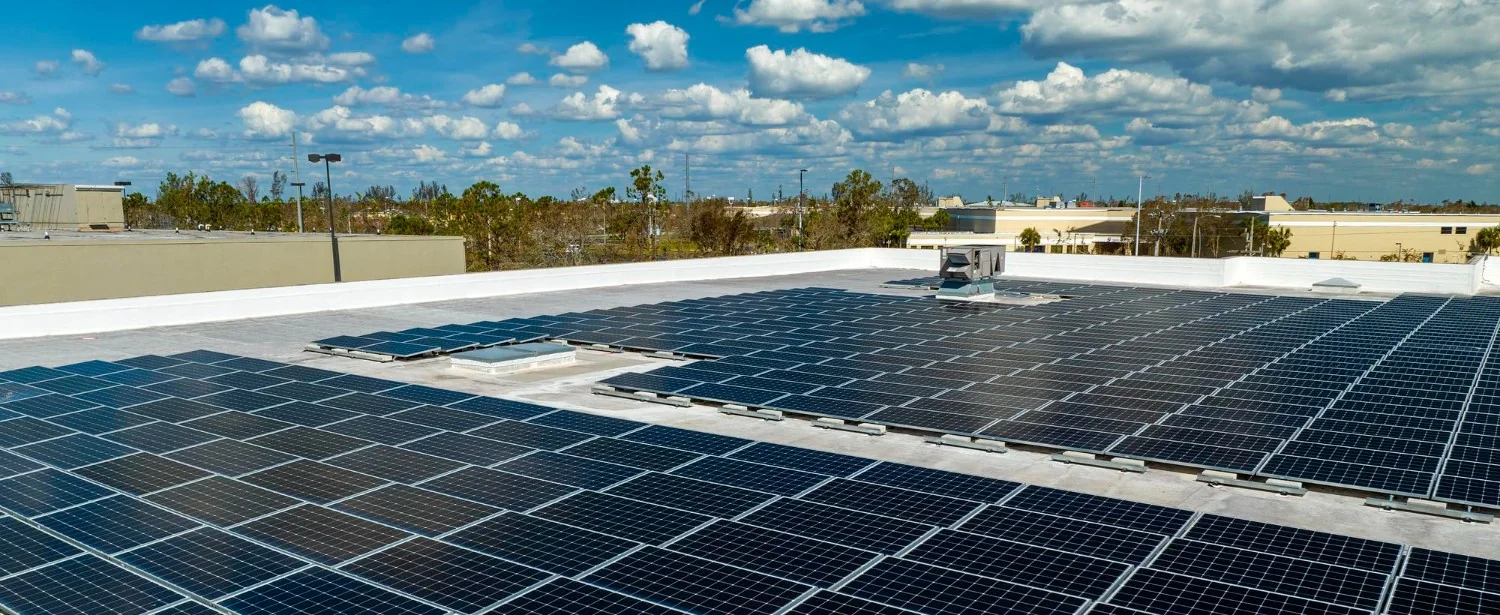
<ul><li><i>India’s rooftop solar capacity reached 30.7 GW in July 2026, increasing the need for better grid management and flexibility.</i></li><li><i>Kerala and Maharashtra are exploring battery ener…

• 𝘛𝘩𝘦 𝘌𝘐𝘉 𝘎𝘳𝘰𝘶𝘱 𝘱𝘭𝘢𝘯𝘴 𝘵𝘰 𝘱𝘳𝘰𝘷𝘪𝘥𝘦 𝘢𝘵 𝘭𝘦𝘢𝘴𝘵 €30 𝘣𝘪𝘭𝘭𝘪𝘰𝘯 𝘧𝘰𝘳 𝘤𝘭𝘪𝘮𝘢𝘵𝘦 𝘢𝘥𝘢𝘱𝘵𝘢𝘵𝘪𝘰𝘯 𝘣𝘦𝘵𝘸𝘦𝘦𝘯 2026 𝘢𝘯𝘥 2030. • 𝘛𝘩𝘦 𝘯𝘦𝘸 𝘵𝘢𝘳𝘨𝘦𝘵 𝘥𝘰𝘶𝘣𝘭𝘦𝘴 𝘢𝘥𝘢𝘱𝘵𝘢𝘵𝘪𝘰𝘯 𝘧𝘪𝘯𝘢𝘯𝘤𝘪𝘯𝘨 𝘤𝘰𝘮𝘱𝘢𝘳𝘦𝘥 𝘸𝘪𝘵𝘩 𝘵𝘩𝘦 𝘱𝘳𝘦𝘷𝘪𝘰𝘶𝘴 𝘧𝘪𝘷𝘦-𝘺𝘦𝘢𝘳 𝘱𝘦𝘳𝘪𝘰𝘥. • 𝘍𝘶𝘯𝘥𝘪𝘯𝘨…