


05 May 2026
The Gujarat government, led by Bhupendra Patel, has announced the development of eight new “smart” industrial estates across South Gujarat under the Gujarat Industrial Development Corporation (GIDC). This initiative is aimed at modernising industrial infrastructure while laying the groundwork for more efficient and potentially sustainable industrial growth in the region.
These smart estates are expected to incorporate upgraded infrastructure systems, including improved water supply, power distribution, internal roads, and digital connectivity. While the announcement is primarily focused on boosting industrial development, such integrated planning can contribute to sustainability by enabling better resource management, reduced operational inefficiencies, and improved environmental performance across industries.
A key sustainability linkage lies in the “smart” approach itself. Planned industrial zones allow for more structured land use, which can help reduce unregulated expansion and environmental degradation. With proper execution, these estates can support cleaner production practices, efficient waste management systems, and potential integration of renewable energy solutions in the future.
The initiative also aligns with broader economic and industrial goals by attracting investments, supporting MSMEs, and generating employment opportunities. From a sustainability perspective, formalised industrial ecosystems like GIDC estates can create a platform for adopting ESG practices at scale, especially if environmental safeguards and green infrastructure are incorporated during development.
Although the announcement does not explicitly detail climate or environmental targets, it reflects a shift towards more organised and efficiency-driven industrialisation. If complemented with green policies such as energy-efficient systems, water recycling, and low-emission operations, these smart industrial estates could evolve into important enablers of sustainable industrial growth.
Smart industrial estates integrate renewable power, water reuse and circular waste management, and they change disclosure baselines for corporates locating there. Our impact-assessment and ESG-strategy teams help clients evaluate what smart-estate positioning means for capex, disclosure and community-partnership.

• 𝘛𝘩𝘦 𝘜𝘈𝘌 𝘍𝘰𝘰𝘥 𝘉𝘢𝘯𝘬 𝘢𝘯𝘥 𝘋𝘶𝘣𝘢𝘪’𝘴 𝘊𝘰𝘮𝘮𝘶𝘯𝘪𝘵𝘺 𝘋𝘦𝘷𝘦𝘭𝘰𝘱𝘮𝘦𝘯𝘵 𝘈𝘶𝘵𝘩𝘰𝘳𝘪𝘵𝘺 (𝘊𝘋𝘈) 𝘩𝘢𝘷𝘦 𝘴𝘪𝘨𝘯𝘦𝘥 𝘢𝘯 𝘢𝘨𝘳𝘦𝘦𝘮𝘦𝘯𝘵 𝘵𝘰 𝘤𝘰𝘭𝘭𝘦𝘤𝘵 𝘢𝘯𝘥 𝘳𝘦𝘥𝘪𝘴𝘵𝘳𝘪𝘣𝘶𝘵𝘦 𝘴𝘶𝘳𝘱𝘭𝘶𝘴 𝘧𝘰𝘰𝘥 𝘧𝘳𝘰𝘮 𝘸𝘦𝘥𝘥𝘪𝘯𝘨𝘴 𝘢𝘯𝘥 𝘦𝘷𝘦𝘯𝘵𝘴. • 𝘛𝘩𝘦 𝘪𝘯𝘪𝘵𝘪𝘢𝘵𝘪𝘷𝘦 𝘸𝘪𝘭𝘭 𝘧𝘰𝘭𝘭𝘰𝘸 𝘢𝘱𝘱𝘳𝘰𝘷𝘦𝘥…
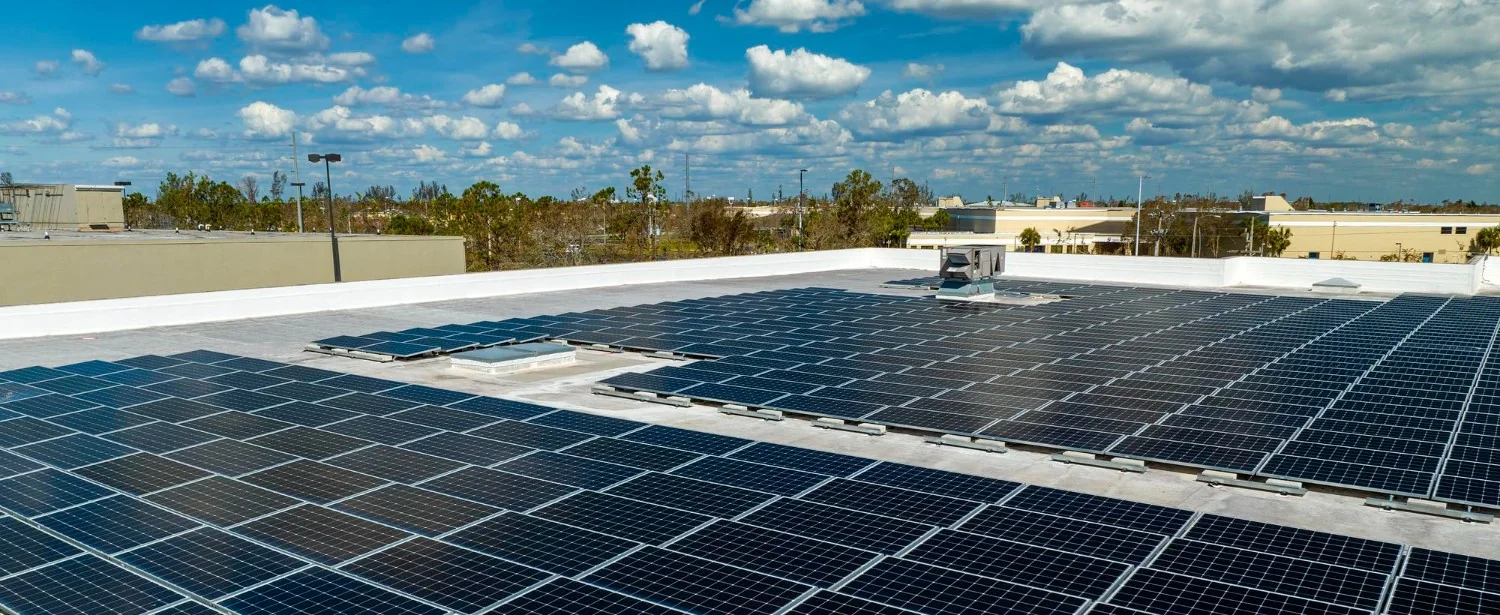
<ul><li><i>India’s rooftop solar capacity reached 30.7 GW in July 2026, increasing the need for better grid management and flexibility.</i></li><li><i>Kerala and Maharashtra are exploring battery ener…

• 𝘛𝘩𝘦 𝘌𝘐𝘉 𝘎𝘳𝘰𝘶𝘱 𝘱𝘭𝘢𝘯𝘴 𝘵𝘰 𝘱𝘳𝘰𝘷𝘪𝘥𝘦 𝘢𝘵 𝘭𝘦𝘢𝘴𝘵 €30 𝘣𝘪𝘭𝘭𝘪𝘰𝘯 𝘧𝘰𝘳 𝘤𝘭𝘪𝘮𝘢𝘵𝘦 𝘢𝘥𝘢𝘱𝘵𝘢𝘵𝘪𝘰𝘯 𝘣𝘦𝘵𝘸𝘦𝘦𝘯 2026 𝘢𝘯𝘥 2030. • 𝘛𝘩𝘦 𝘯𝘦𝘸 𝘵𝘢𝘳𝘨𝘦𝘵 𝘥𝘰𝘶𝘣𝘭𝘦𝘴 𝘢𝘥𝘢𝘱𝘵𝘢𝘵𝘪𝘰𝘯 𝘧𝘪𝘯𝘢𝘯𝘤𝘪𝘯𝘨 𝘤𝘰𝘮𝘱𝘢𝘳𝘦𝘥 𝘸𝘪𝘵𝘩 𝘵𝘩𝘦 𝘱𝘳𝘦𝘷𝘪𝘰𝘶𝘴 𝘧𝘪𝘷𝘦-𝘺𝘦𝘢𝘳 𝘱𝘦𝘳𝘪𝘰𝘥. • 𝘍𝘶𝘯𝘥𝘪𝘯𝘨…