

09 April 2026
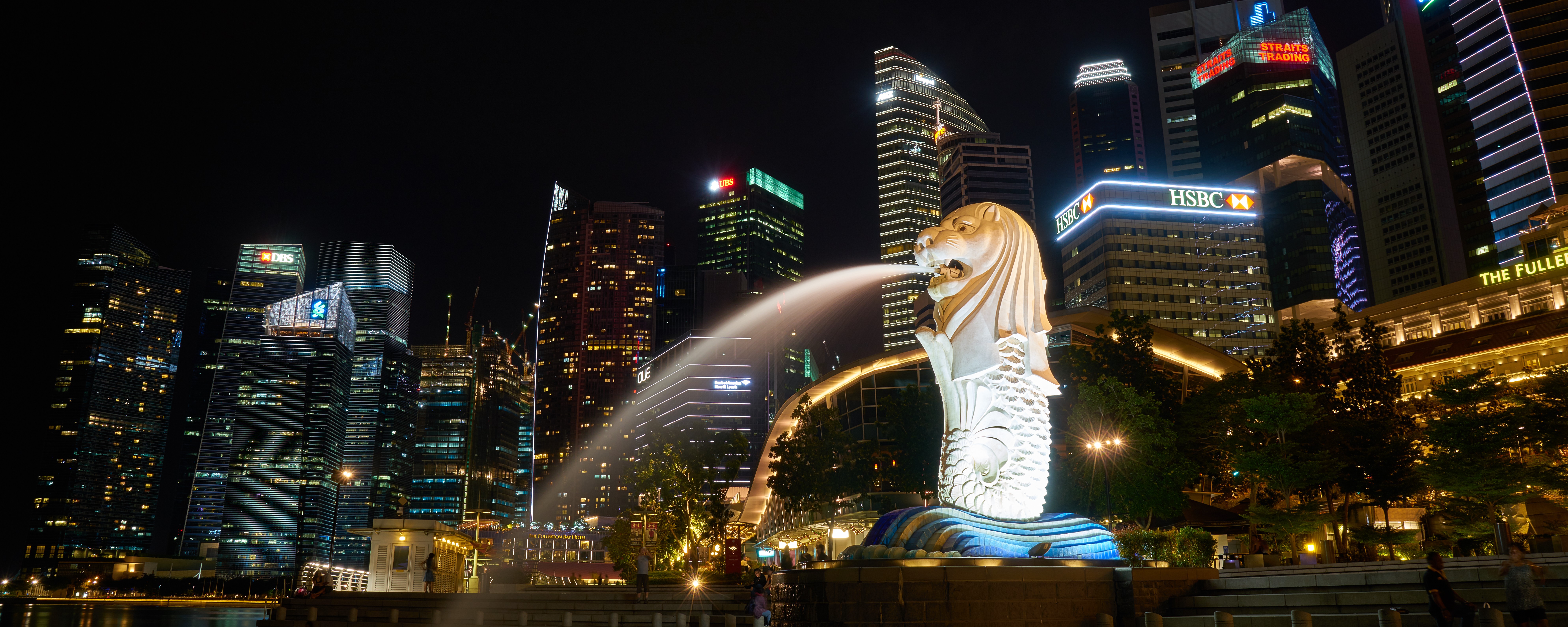
Singapore has directed its public sector to reduce electricity consumption across government facilities as part of a nationwide energy-saving initiative. The move, led by the Ministry of Sustainability and the Environment (MSE) and the National Environment Agency (NEA), aims to strengthen energy resilience amid global supply disruptions linked to geopolitical tensions.
Under the directive, government agencies are required to implement immediate conservation measures, including setting air-conditioning temperatures to at least 25°C, optimising operating hours for lighting and lifts, and switching off non-essential equipment when not in use. These steps are designed to reduce overall energy demand while maintaining operational efficiency.
The initiative also includes accelerating the adoption of energy-efficient technologies such as LED lighting, smart sensors, and high-efficiency electrical systems. Public sector organisations are encouraged to upgrade infrastructure and replace older equipment with more energy-efficient alternatives to support long-term sustainability goals.
Officials emphasised that the government is leading by example in promoting energy conservation and expects businesses and households to follow suit. The measures form part of a broader national strategy to manage rising energy costs, enhance resilience, and advance Singapore’s transition toward a more sustainable and efficient energy system.
Public-sector consumption reduction combining behavioural measures (25°C AC set-points, lighting-and-lift optimisation, non-essential equipment shutdown) with capital-investment measures (LED, smart sensors, high-efficiency systems) reflects appropriate combination of quick-wins and long-term capability building. The lead-by-example dimension matters for private-sector adoption catalysis.
The geopolitical-supply-disruption framing is analytically important. Energy resilience considerations extend beyond emissions reduction to supply security and cost stability; well-designed efficiency programmes deliver benefits across all three dimensions simultaneously. Singapore's positioning as regional financial-and-business hub makes energy resilience a competitive-advantage matter, not just an environmental one.
For building operators, HVAC and building-management technology providers, ESCOs and financial institutions supporting Singapore energy-efficiency investment, Cognitud's climate action, energy transition and impact assessment teams help clients evaluate energy-efficiency investment opportunities, structure long-term commercial arrangements aligned with public-sector-led adoption catalysis, and prepare disclosures aligned with SGX, MAS, ISSB and jurisdictional energy-efficiency frameworks.

• 𝘛𝘩𝘦 𝘜𝘈𝘌 𝘍𝘰𝘰𝘥 𝘉𝘢𝘯𝘬 𝘢𝘯𝘥 𝘋𝘶𝘣𝘢𝘪’𝘴 𝘊𝘰𝘮𝘮𝘶𝘯𝘪𝘵𝘺 𝘋𝘦𝘷𝘦𝘭𝘰𝘱𝘮𝘦𝘯𝘵 𝘈𝘶𝘵𝘩𝘰𝘳𝘪𝘵𝘺 (𝘊𝘋𝘈) 𝘩𝘢𝘷𝘦 𝘴𝘪𝘨𝘯𝘦𝘥 𝘢𝘯 𝘢𝘨𝘳𝘦𝘦𝘮𝘦𝘯𝘵 𝘵𝘰 𝘤𝘰𝘭𝘭𝘦𝘤𝘵 𝘢𝘯𝘥 𝘳𝘦𝘥𝘪𝘴𝘵𝘳𝘪𝘣𝘶𝘵𝘦 𝘴𝘶𝘳𝘱𝘭𝘶𝘴 𝘧𝘰𝘰𝘥 𝘧𝘳𝘰𝘮 𝘸𝘦𝘥𝘥𝘪𝘯𝘨𝘴 𝘢𝘯𝘥 𝘦𝘷𝘦𝘯𝘵𝘴. • 𝘛𝘩𝘦 𝘪𝘯𝘪𝘵𝘪𝘢𝘵𝘪𝘷𝘦 𝘸𝘪𝘭𝘭 𝘧𝘰𝘭𝘭𝘰𝘸 𝘢𝘱𝘱𝘳𝘰𝘷𝘦𝘥…
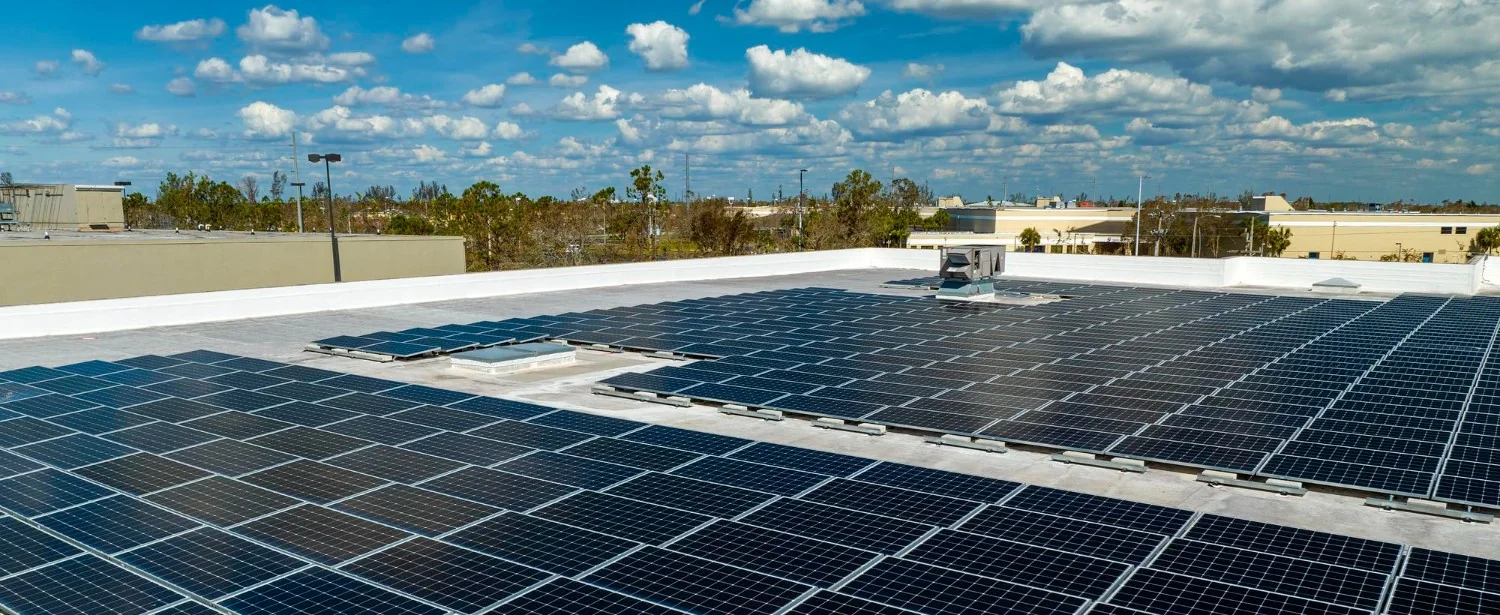
<ul><li><i>India’s rooftop solar capacity reached 30.7 GW in July 2026, increasing the need for better grid management and flexibility.</i></li><li><i>Kerala and Maharashtra are exploring battery ener…

• 𝘛𝘩𝘦 𝘌𝘐𝘉 𝘎𝘳𝘰𝘶𝘱 𝘱𝘭𝘢𝘯𝘴 𝘵𝘰 𝘱𝘳𝘰𝘷𝘪𝘥𝘦 𝘢𝘵 𝘭𝘦𝘢𝘴𝘵 €30 𝘣𝘪𝘭𝘭𝘪𝘰𝘯 𝘧𝘰𝘳 𝘤𝘭𝘪𝘮𝘢𝘵𝘦 𝘢𝘥𝘢𝘱𝘵𝘢𝘵𝘪𝘰𝘯 𝘣𝘦𝘵𝘸𝘦𝘦𝘯 2026 𝘢𝘯𝘥 2030. • 𝘛𝘩𝘦 𝘯𝘦𝘸 𝘵𝘢𝘳𝘨𝘦𝘵 𝘥𝘰𝘶𝘣𝘭𝘦𝘴 𝘢𝘥𝘢𝘱𝘵𝘢𝘵𝘪𝘰𝘯 𝘧𝘪𝘯𝘢𝘯𝘤𝘪𝘯𝘨 𝘤𝘰𝘮𝘱𝘢𝘳𝘦𝘥 𝘸𝘪𝘵𝘩 𝘵𝘩𝘦 𝘱𝘳𝘦𝘷𝘪𝘰𝘶𝘴 𝘧𝘪𝘷𝘦-𝘺𝘦𝘢𝘳 𝘱𝘦𝘳𝘪𝘰𝘥. • 𝘍𝘶𝘯𝘥𝘪𝘯𝘨…