

18 March 2026
Singapore is strengthening its integration of clean and renewable energy solutions to enhance water security and coastal resilience, as part of its broader climate adaptation strategy. The government is focusing on linking energy systems with water infrastructure to improve efficiency and sustainability in the face of rising environmental pressures.
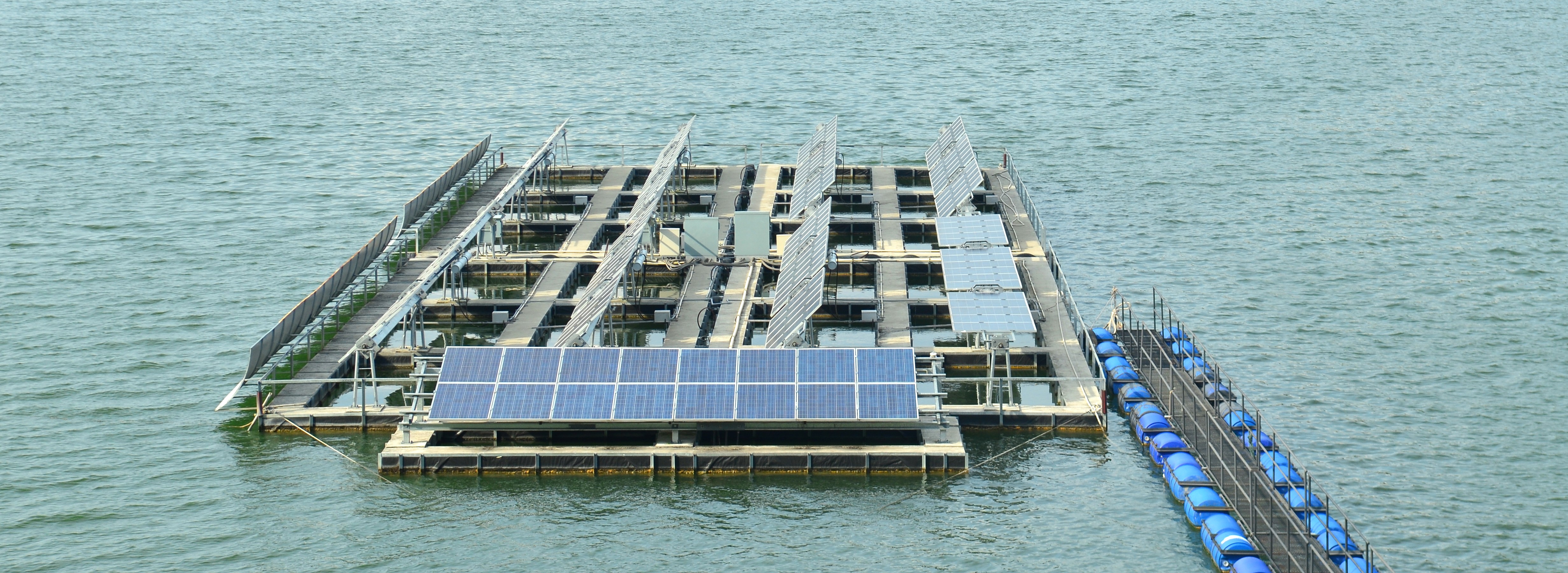
A key component of this approach includes the use of renewable energy to power desalination and water treatment facilities, reducing reliance on fossil fuels while ensuring a stable and sustainable water supply. Singapore continues to expand its solar capacity and explore innovative energy solutions to support critical infrastructure.
The strategy also addresses coastal sustainability, with investments in coastal protection measures and climate-resilient infrastructure aimed at mitigating the risks of sea-level rise and extreme weather events. These efforts reflect Singapore’s proactive approach to managing climate vulnerabilities as a low-lying island nation.
By integrating energy, water and climate adaptation policies, Singapore is positioning itself as a leader in urban sustainability. The initiative highlights how governments are adopting cross-sectoral strategies to build long-term resilience and ensure sustainable resource management.
Integrating renewable-energy strategy with water-security and coastal-resilience infrastructure represents sophisticated climate-adaptation policy design. Desalination and water-treatment are energy-intensive; powering them with renewables reduces both operating cost and Scope 2 emissions. Coastal-protection infrastructure powered by renewable sources delivers additional climate co-benefits.
Singapore's structural constraints (land, water, sea-level exposure) make integrated infrastructure planning a strategic necessity rather than best practice. The country's positioning as a reference model for climate-resilient urban development attracts international capital and expertise flows that further accelerate delivery capacity.
For water utilities, coastal-infrastructure operators, renewable developers and financial institutions supporting integrated climate-resilience investment, Cognitud's climate action, energy transition and impact assessment teams help clients evaluate integrated water-energy-coastal investment opportunities, structure sustainability-linked commercial arrangements, and prepare disclosures aligned with CDP Water, ISSB S2 and jurisdictional climate-adaptation frameworks that increasingly determine access to blue-and-green sustainable finance.

• 𝘛𝘩𝘦 𝘜𝘈𝘌 𝘍𝘰𝘰𝘥 𝘉𝘢𝘯𝘬 𝘢𝘯𝘥 𝘋𝘶𝘣𝘢𝘪’𝘴 𝘊𝘰𝘮𝘮𝘶𝘯𝘪𝘵𝘺 𝘋𝘦𝘷𝘦𝘭𝘰𝘱𝘮𝘦𝘯𝘵 𝘈𝘶𝘵𝘩𝘰𝘳𝘪𝘵𝘺 (𝘊𝘋𝘈) 𝘩𝘢𝘷𝘦 𝘴𝘪𝘨𝘯𝘦𝘥 𝘢𝘯 𝘢𝘨𝘳𝘦𝘦𝘮𝘦𝘯𝘵 𝘵𝘰 𝘤𝘰𝘭𝘭𝘦𝘤𝘵 𝘢𝘯𝘥 𝘳𝘦𝘥𝘪𝘴𝘵𝘳𝘪𝘣𝘶𝘵𝘦 𝘴𝘶𝘳𝘱𝘭𝘶𝘴 𝘧𝘰𝘰𝘥 𝘧𝘳𝘰𝘮 𝘸𝘦𝘥𝘥𝘪𝘯𝘨𝘴 𝘢𝘯𝘥 𝘦𝘷𝘦𝘯𝘵𝘴. • 𝘛𝘩𝘦 𝘪𝘯𝘪𝘵𝘪𝘢𝘵𝘪𝘷𝘦 𝘸𝘪𝘭𝘭 𝘧𝘰𝘭𝘭𝘰𝘸 𝘢𝘱𝘱𝘳𝘰𝘷𝘦𝘥…

<ul><li><i>India’s rooftop solar capacity reached 30.7 GW in July 2026, increasing the need for better grid management and flexibility.</i></li><li><i>Kerala and Maharashtra are exploring battery ener…

• 𝘛𝘩𝘦 𝘌𝘐𝘉 𝘎𝘳𝘰𝘶𝘱 𝘱𝘭𝘢𝘯𝘴 𝘵𝘰 𝘱𝘳𝘰𝘷𝘪𝘥𝘦 𝘢𝘵 𝘭𝘦𝘢𝘴𝘵 €30 𝘣𝘪𝘭𝘭𝘪𝘰𝘯 𝘧𝘰𝘳 𝘤𝘭𝘪𝘮𝘢𝘵𝘦 𝘢𝘥𝘢𝘱𝘵𝘢𝘵𝘪𝘰𝘯 𝘣𝘦𝘵𝘸𝘦𝘦𝘯 2026 𝘢𝘯𝘥 2030. • 𝘛𝘩𝘦 𝘯𝘦𝘸 𝘵𝘢𝘳𝘨𝘦𝘵 𝘥𝘰𝘶𝘣𝘭𝘦𝘴 𝘢𝘥𝘢𝘱𝘵𝘢𝘵𝘪𝘰𝘯 𝘧𝘪𝘯𝘢𝘯𝘤𝘪𝘯𝘨 𝘤𝘰𝘮𝘱𝘢𝘳𝘦𝘥 𝘸𝘪𝘵𝘩 𝘵𝘩𝘦 𝘱𝘳𝘦𝘷𝘪𝘰𝘶𝘴 𝘧𝘪𝘷𝘦-𝘺𝘦𝘢𝘳 𝘱𝘦𝘳𝘪𝘰𝘥. • 𝘍𝘶𝘯𝘥𝘪𝘯𝘨…