


18 December 2025
Singapore has announced the addition of 660 electric buses as part of efforts to strengthen sustainable tourism and reduce emissions from the transport sector. The expanded fleet will serve key tourist corridors while improving connectivity for residents and visitors alike.
Authorities stated that electrifying public transport plays a critical role in lowering carbon emissions, improving air quality and enhancing the overall visitor experience. The initiative supports broader climate goals and complements investments in low-carbon urban mobility.
The deployment also reflects Singapore’s strategy to future-proof transport infrastructure by transitioning away from fossil fuels. Electric buses are expected to reduce operational emissions and noise pollution in high-traffic areas.
By integrating sustainability into tourism and transport planning, Singapore aims to reinforce its reputation as a responsible destination while advancing long-term climate resilience.
Public-transport electrification is one of the higher-impact carbon-reduction interventions in urban transport, given the emissions intensity of diesel bus fleets and the concentration of vehicle-kilometres in dense corridors. Singapore's addition of 660 electric buses accelerates progress toward the country's stated goal of fully electric public bus fleets within a defined horizon - a benchmark other Southeast Asian cities are likely to reference.
The green-tourism framing adds a commercial dimension. Sustainability credentials increasingly influence destination choice for both leisure and MICE travel, particularly for corporate customers with net-zero commitments that include indirect Scope 3 emissions from employee travel. Electrified public transport strengthens Singapore's positioning as a low-carbon destination in ways that individual property-level actions cannot.
For transport operators, tourism-sector clients and financial institutions supporting low-carbon urban mobility, Cognitud's climate action, supply chain and operations, and energy transition teams help clients build EV-fleet transition plans, evaluate charging-infrastructure economics, and structure disclosures that translate transport-decarbonisation actions into credible Scope 1 and Scope 3 emissions narratives for sustainability-linked financing and customer procurement processes.

• 𝘛𝘩𝘦 𝘜𝘈𝘌 𝘍𝘰𝘰𝘥 𝘉𝘢𝘯𝘬 𝘢𝘯𝘥 𝘋𝘶𝘣𝘢𝘪’𝘴 𝘊𝘰𝘮𝘮𝘶𝘯𝘪𝘵𝘺 𝘋𝘦𝘷𝘦𝘭𝘰𝘱𝘮𝘦𝘯𝘵 𝘈𝘶𝘵𝘩𝘰𝘳𝘪𝘵𝘺 (𝘊𝘋𝘈) 𝘩𝘢𝘷𝘦 𝘴𝘪𝘨𝘯𝘦𝘥 𝘢𝘯 𝘢𝘨𝘳𝘦𝘦𝘮𝘦𝘯𝘵 𝘵𝘰 𝘤𝘰𝘭𝘭𝘦𝘤𝘵 𝘢𝘯𝘥 𝘳𝘦𝘥𝘪𝘴𝘵𝘳𝘪𝘣𝘶𝘵𝘦 𝘴𝘶𝘳𝘱𝘭𝘶𝘴 𝘧𝘰𝘰𝘥 𝘧𝘳𝘰𝘮 𝘸𝘦𝘥𝘥𝘪𝘯𝘨𝘴 𝘢𝘯𝘥 𝘦𝘷𝘦𝘯𝘵𝘴. • 𝘛𝘩𝘦 𝘪𝘯𝘪𝘵𝘪𝘢𝘵𝘪𝘷𝘦 𝘸𝘪𝘭𝘭 𝘧𝘰𝘭𝘭𝘰𝘸 𝘢𝘱𝘱𝘳𝘰𝘷𝘦𝘥…
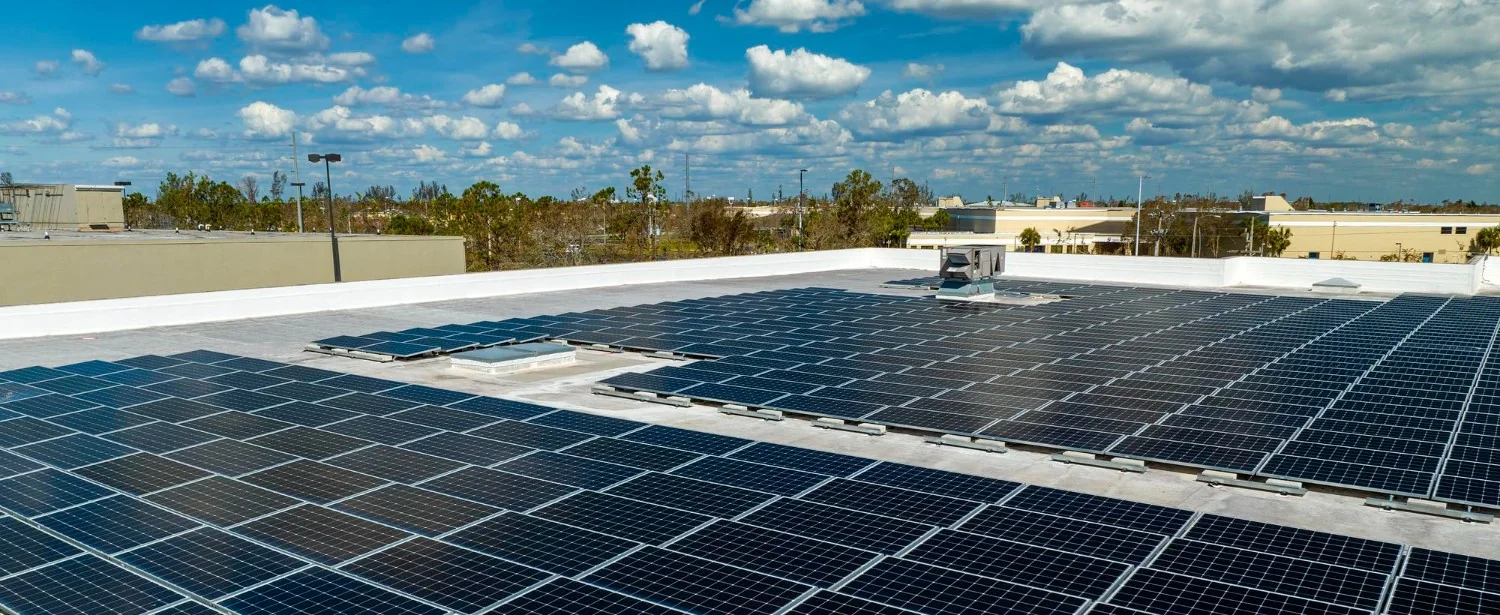
<ul><li><i>India’s rooftop solar capacity reached 30.7 GW in July 2026, increasing the need for better grid management and flexibility.</i></li><li><i>Kerala and Maharashtra are exploring battery ener…

• 𝘛𝘩𝘦 𝘌𝘐𝘉 𝘎𝘳𝘰𝘶𝘱 𝘱𝘭𝘢𝘯𝘴 𝘵𝘰 𝘱𝘳𝘰𝘷𝘪𝘥𝘦 𝘢𝘵 𝘭𝘦𝘢𝘴𝘵 €30 𝘣𝘪𝘭𝘭𝘪𝘰𝘯 𝘧𝘰𝘳 𝘤𝘭𝘪𝘮𝘢𝘵𝘦 𝘢𝘥𝘢𝘱𝘵𝘢𝘵𝘪𝘰𝘯 𝘣𝘦𝘵𝘸𝘦𝘦𝘯 2026 𝘢𝘯𝘥 2030. • 𝘛𝘩𝘦 𝘯𝘦𝘸 𝘵𝘢𝘳𝘨𝘦𝘵 𝘥𝘰𝘶𝘣𝘭𝘦𝘴 𝘢𝘥𝘢𝘱𝘵𝘢𝘵𝘪𝘰𝘯 𝘧𝘪𝘯𝘢𝘯𝘤𝘪𝘯𝘨 𝘤𝘰𝘮𝘱𝘢𝘳𝘦𝘥 𝘸𝘪𝘵𝘩 𝘵𝘩𝘦 𝘱𝘳𝘦𝘷𝘪𝘰𝘶𝘴 𝘧𝘪𝘷𝘦-𝘺𝘦𝘢𝘳 𝘱𝘦𝘳𝘪𝘰𝘥. • 𝘍𝘶𝘯𝘥𝘪𝘯𝘨…