

.jpg)
03 June 2026
A coalition of seven U.S. states, led by New York, has filed a lawsuit against the Trump administration over a controversial agreement that canceled a major offshore wind project and redirected investment toward fossil fuel development.
The lawsuit challenges a March decision by the U.S. Department of the Interior to terminate a large offshore wind lease off the coast of New York. Under the agreement, the federal government reimbursed nearly $795 million to the project developer, which also committed to investing close to $1 billion in U.S. liquefied natural gas and oil and gas projects instead of pursuing new offshore wind developments.
State officials argue that the administration failed to follow proper administrative procedures and improperly used government funds intended for legal settlements despite the absence of any active litigation between the parties. The case marks the latest legal battle over the administration’s broader efforts to curb offshore wind expansion while promoting domestic fossil fuel production.
According to the lawsuit, the canceled offshore wind project would have generated enough electricity to power approximately 1.3 million homes across New York and New Jersey. The states contend that the project was a key component of regional plans to meet growing electricity demand, strengthen energy security, and reduce greenhouse gas emissions.
In addition to New York, the lawsuit includes New Jersey, Connecticut, Maine, Massachusetts, Rhode Island, and Vermont. State leaders argue that the cancellation undermines clean energy development, job creation, and long-term climate goals at a time when electricity demand continues to rise.
Federal officials have defended the agreement, stating that it was voluntary and followed appropriate procedures. The administration has consistently argued that offshore wind projects are costly and unreliable, while emphasizing increased investment in conventional energy sources.
The outcome of the case could have significant implications for the future of U.S. offshore wind development, federal energy policy, and the balance between renewable energy expansion and fossil fuel investment.
Seven-state litigation against offshore-wind cancellation is a real test of how much state-level pushback can preserve renewable pipelines in the face of federal opposition. Our sustainability-due-diligence and market-intelligence teams help clients evaluate what these legal battles mean for US offshore-wind investment strategy.

• 𝘛𝘩𝘦 𝘜𝘈𝘌 𝘍𝘰𝘰𝘥 𝘉𝘢𝘯𝘬 𝘢𝘯𝘥 𝘋𝘶𝘣𝘢𝘪’𝘴 𝘊𝘰𝘮𝘮𝘶𝘯𝘪𝘵𝘺 𝘋𝘦𝘷𝘦𝘭𝘰𝘱𝘮𝘦𝘯𝘵 𝘈𝘶𝘵𝘩𝘰𝘳𝘪𝘵𝘺 (𝘊𝘋𝘈) 𝘩𝘢𝘷𝘦 𝘴𝘪𝘨𝘯𝘦𝘥 𝘢𝘯 𝘢𝘨𝘳𝘦𝘦𝘮𝘦𝘯𝘵 𝘵𝘰 𝘤𝘰𝘭𝘭𝘦𝘤𝘵 𝘢𝘯𝘥 𝘳𝘦𝘥𝘪𝘴𝘵𝘳𝘪𝘣𝘶𝘵𝘦 𝘴𝘶𝘳𝘱𝘭𝘶𝘴 𝘧𝘰𝘰𝘥 𝘧𝘳𝘰𝘮 𝘸𝘦𝘥𝘥𝘪𝘯𝘨𝘴 𝘢𝘯𝘥 𝘦𝘷𝘦𝘯𝘵𝘴. • 𝘛𝘩𝘦 𝘪𝘯𝘪𝘵𝘪𝘢𝘵𝘪𝘷𝘦 𝘸𝘪𝘭𝘭 𝘧𝘰𝘭𝘭𝘰𝘸 𝘢𝘱𝘱𝘳𝘰𝘷𝘦𝘥…
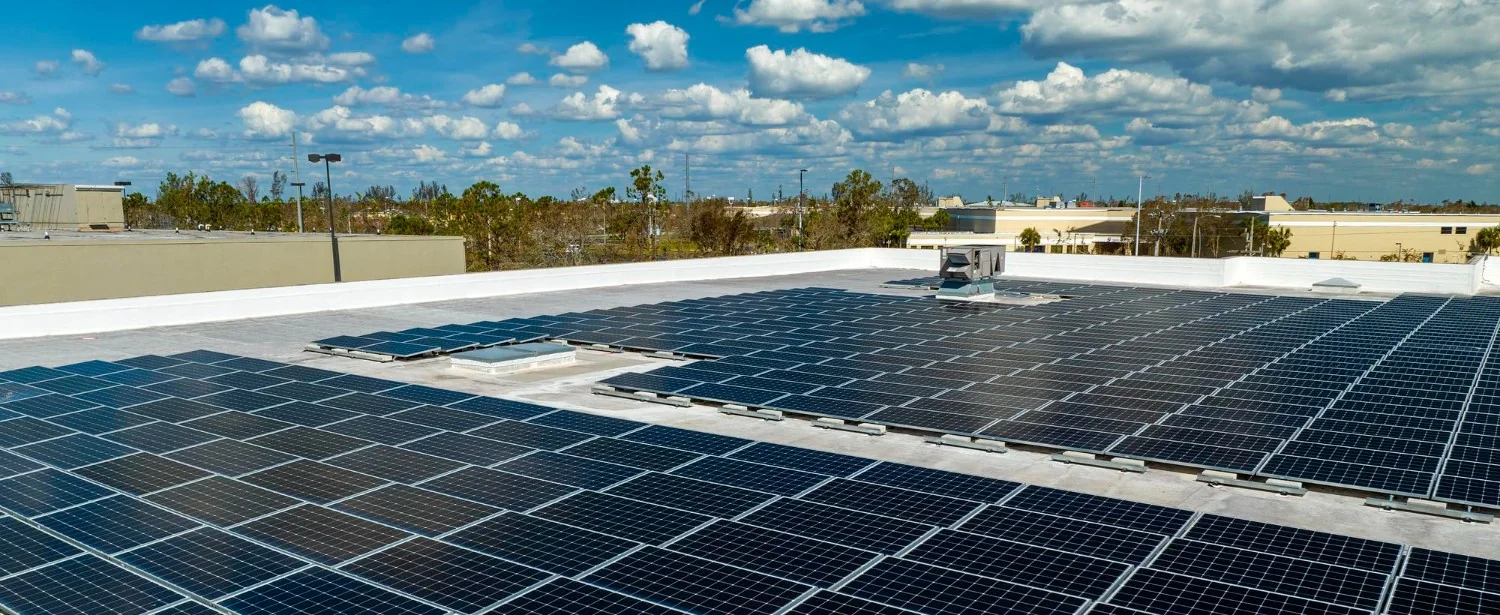
<ul><li><i>India’s rooftop solar capacity reached 30.7 GW in July 2026, increasing the need for better grid management and flexibility.</i></li><li><i>Kerala and Maharashtra are exploring battery ener…

• 𝘛𝘩𝘦 𝘌𝘐𝘉 𝘎𝘳𝘰𝘶𝘱 𝘱𝘭𝘢𝘯𝘴 𝘵𝘰 𝘱𝘳𝘰𝘷𝘪𝘥𝘦 𝘢𝘵 𝘭𝘦𝘢𝘴𝘵 €30 𝘣𝘪𝘭𝘭𝘪𝘰𝘯 𝘧𝘰𝘳 𝘤𝘭𝘪𝘮𝘢𝘵𝘦 𝘢𝘥𝘢𝘱𝘵𝘢𝘵𝘪𝘰𝘯 𝘣𝘦𝘵𝘸𝘦𝘦𝘯 2026 𝘢𝘯𝘥 2030. • 𝘛𝘩𝘦 𝘯𝘦𝘸 𝘵𝘢𝘳𝘨𝘦𝘵 𝘥𝘰𝘶𝘣𝘭𝘦𝘴 𝘢𝘥𝘢𝘱𝘵𝘢𝘵𝘪𝘰𝘯 𝘧𝘪𝘯𝘢𝘯𝘤𝘪𝘯𝘨 𝘤𝘰𝘮𝘱𝘢𝘳𝘦𝘥 𝘸𝘪𝘵𝘩 𝘵𝘩𝘦 𝘱𝘳𝘦𝘷𝘪𝘰𝘶𝘴 𝘧𝘪𝘷𝘦-𝘺𝘦𝘢𝘳 𝘱𝘦𝘳𝘪𝘰𝘥. • 𝘍𝘶𝘯𝘥𝘪𝘯𝘨…