

.jpg)
03 June 2026
The European Commission has launched infringement procedures against 20 member states for failing to fully implement new anti-greenwashing rules designed to strengthen consumer protection and improve the credibility of environmental claims. The action marks a significant step in the EU’s efforts to combat misleading sustainability marketing across the bloc.
Letters of formal notice were sent to Belgium, Bulgaria, Czechia, Estonia, Greece, Spain, France, Croatia, Cyprus, Latvia, Luxembourg, Hungary, Malta, the Netherlands, Austria, Poland, Portugal, Slovenia, Finland and Sweden. The countries had until 27 March 2026 to transpose the Directive on Empowering Consumers for the Green Transition into national law.
The directive aims to prevent vague, misleading or unsubstantiated environmental claims and sustainability labels, helping consumers make more informed purchasing decisions. It forms part of the EU’s broader strategy to tackle greenwashing and promote transparency in sustainability-related communications.
Member states have been given two months to respond and notify the Commission of their compliance measures. If the Commission considers the responses inadequate, it may escalate the cases through reasoned opinions and, ultimately, referral to the Court of Justice of the European Union.
The rules are scheduled to begin applying across the EU from 27 September 2026, strengthening requirements for environmental claims and sustainability labels in consumer markets.
Infringement procedures against 20 member states over Empowering Consumers for the Green Transition Directive transposition delays combined with 27 September 2026 application deadline captures the enforcement architecture that the EU is prepared to deploy on greenwashing rules. Two-month response window plus reasoned-opinion and CJEU-referral escalation pathway signals serious enforcement intent.
The consumer-protection framing is analytically important. Greenwashing regulation frequently gets characterised as narrow marketing-compliance matter; the reality is that misleading environmental claims distort consumer choice at scale, undermining sustainable-product market functioning. Enforcement architecture that reaches beyond individual claim challenges to systematic member-state-level implementation shapes the practical consumer-protection reality.
For consumer-goods brands, retailers, financial-services companies and their marketing and CSR partners across EU markets, Cognitud's ESG strategy and transformation, sustainability due diligence and impact assessment teams help clients evaluate exposure to greenwashing regulation across member-state implementation variance, structure claim-substantiation frameworks aligned with directive principles, and prepare disclosures aligned with CSRD, ISSB and jurisdictional sustainability-claim frameworks.

• 𝘛𝘩𝘦 𝘜𝘈𝘌 𝘍𝘰𝘰𝘥 𝘉𝘢𝘯𝘬 𝘢𝘯𝘥 𝘋𝘶𝘣𝘢𝘪’𝘴 𝘊𝘰𝘮𝘮𝘶𝘯𝘪𝘵𝘺 𝘋𝘦𝘷𝘦𝘭𝘰𝘱𝘮𝘦𝘯𝘵 𝘈𝘶𝘵𝘩𝘰𝘳𝘪𝘵𝘺 (𝘊𝘋𝘈) 𝘩𝘢𝘷𝘦 𝘴𝘪𝘨𝘯𝘦𝘥 𝘢𝘯 𝘢𝘨𝘳𝘦𝘦𝘮𝘦𝘯𝘵 𝘵𝘰 𝘤𝘰𝘭𝘭𝘦𝘤𝘵 𝘢𝘯𝘥 𝘳𝘦𝘥𝘪𝘴𝘵𝘳𝘪𝘣𝘶𝘵𝘦 𝘴𝘶𝘳𝘱𝘭𝘶𝘴 𝘧𝘰𝘰𝘥 𝘧𝘳𝘰𝘮 𝘸𝘦𝘥𝘥𝘪𝘯𝘨𝘴 𝘢𝘯𝘥 𝘦𝘷𝘦𝘯𝘵𝘴. • 𝘛𝘩𝘦 𝘪𝘯𝘪𝘵𝘪𝘢𝘵𝘪𝘷𝘦 𝘸𝘪𝘭𝘭 𝘧𝘰𝘭𝘭𝘰𝘸 𝘢𝘱𝘱𝘳𝘰𝘷𝘦𝘥…
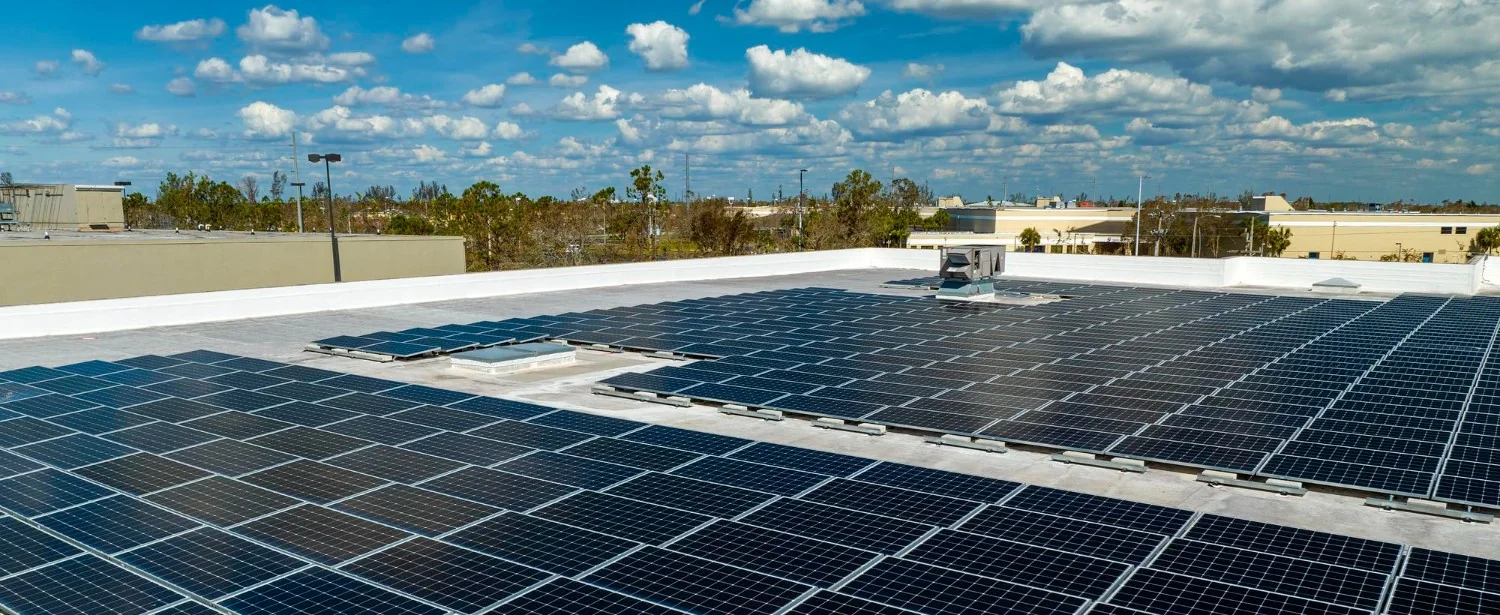
<ul><li><i>India’s rooftop solar capacity reached 30.7 GW in July 2026, increasing the need for better grid management and flexibility.</i></li><li><i>Kerala and Maharashtra are exploring battery ener…

• 𝘛𝘩𝘦 𝘌𝘐𝘉 𝘎𝘳𝘰𝘶𝘱 𝘱𝘭𝘢𝘯𝘴 𝘵𝘰 𝘱𝘳𝘰𝘷𝘪𝘥𝘦 𝘢𝘵 𝘭𝘦𝘢𝘴𝘵 €30 𝘣𝘪𝘭𝘭𝘪𝘰𝘯 𝘧𝘰𝘳 𝘤𝘭𝘪𝘮𝘢𝘵𝘦 𝘢𝘥𝘢𝘱𝘵𝘢𝘵𝘪𝘰𝘯 𝘣𝘦𝘵𝘸𝘦𝘦𝘯 2026 𝘢𝘯𝘥 2030. • 𝘛𝘩𝘦 𝘯𝘦𝘸 𝘵𝘢𝘳𝘨𝘦𝘵 𝘥𝘰𝘶𝘣𝘭𝘦𝘴 𝘢𝘥𝘢𝘱𝘵𝘢𝘵𝘪𝘰𝘯 𝘧𝘪𝘯𝘢𝘯𝘤𝘪𝘯𝘨 𝘤𝘰𝘮𝘱𝘢𝘳𝘦𝘥 𝘸𝘪𝘵𝘩 𝘵𝘩𝘦 𝘱𝘳𝘦𝘷𝘪𝘰𝘶𝘴 𝘧𝘪𝘷𝘦-𝘺𝘦𝘢𝘳 𝘱𝘦𝘳𝘪𝘰𝘥. • 𝘍𝘶𝘯𝘥𝘪𝘯𝘨…