

03 August 2026
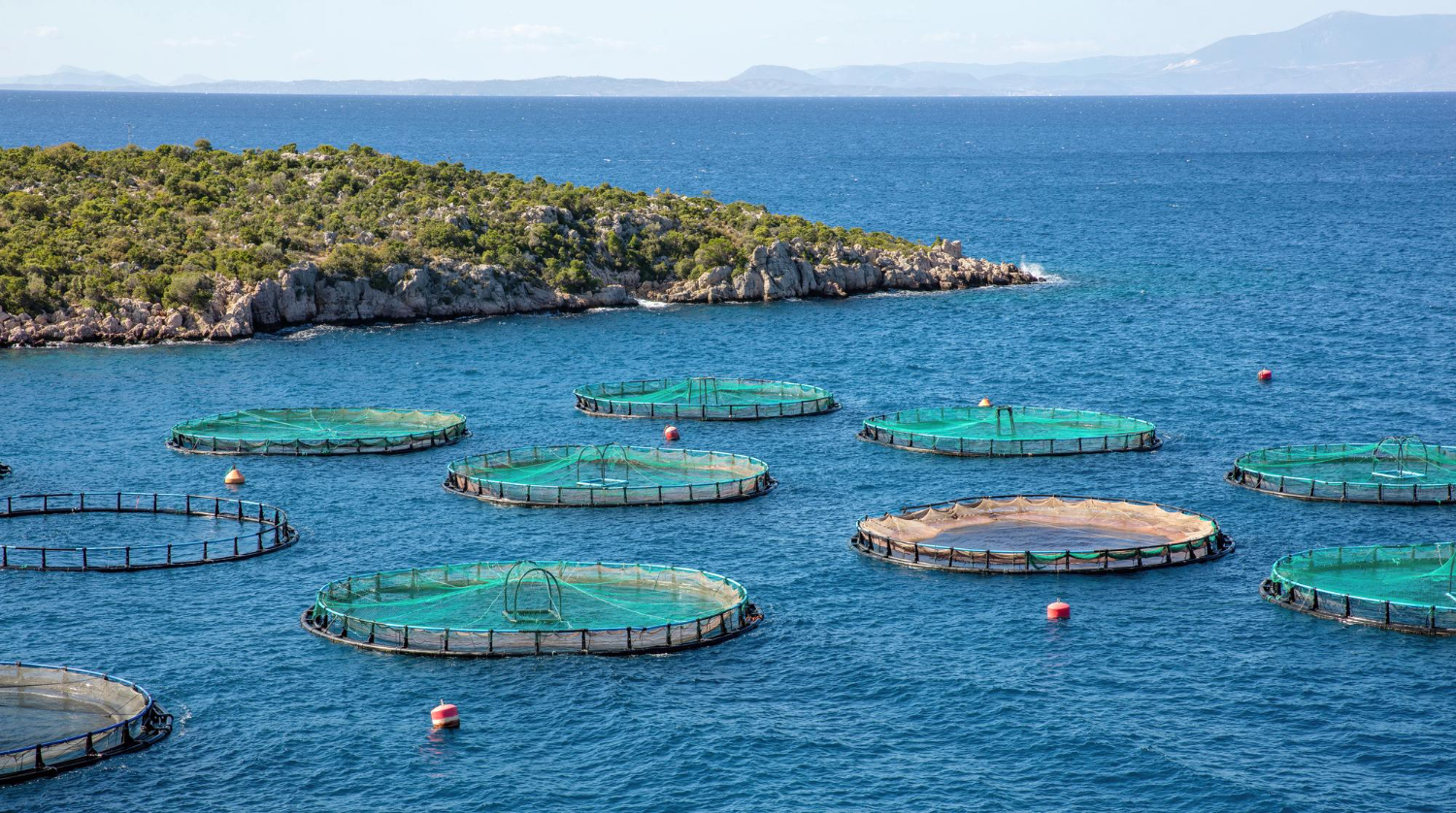
Scotland’s Sustainable Aquaculture Innovation Centre (SAIC) is preparing to open a new funding competition in the final week of August, offering support for collaborative research and innovation projects designed to strengthen the country’s aquaculture industry.
The competition will target challenges and opportunities spanning finfish health and welfare, shellfish, seaweed, environmental sustainability, climate resilience, production capacity, and the transition to net zero. Applications are expected to close in early October, with funding levels, eligibility requirements, and application guidance to be confirmed when the call opens.
Projects must involve at least two partners and begin at Technology Readiness Level 4 or above. For the first time, universities and small and medium-sized enterprises (SMEs) will be eligible to receive funding directly. Earlier indicative terms suggested universities and research institutes could receive up to 80% of full economic costs, while SMEs could receive up to 50% of eligible expenditure, with match funding required.
The funding round follows a £7 million agreement with Crown Estate Scotland, including £1.4 million annually for five years to support SAIC operations and collaborative R&D.
The initiative comes as Scotland seeks to build a more productive, climate-resilient, and environmentally sustainable aquaculture sector, with innovation positioned as a key lever for achieving long-term growth and net-zero ambitions.
SAIC funding competition spanning finfish health-and-welfare, shellfish, seaweed, environmental sustainability, climate resilience, production capacity and net-zero transition reflects the multi-dimensional research-and-innovation architecture that sustainable aquaculture requires. Aquaculture faces welfare-and-environmental scrutiny alongside production-capacity growth demand; innovation across all dimensions is needed.
The university-plus-SME direct-funding architecture (with 80 percent full-economic-cost recovery for research institutes, 50 percent for SMEs) addresses the collaboration-friction that has historically limited aquaculture-innovation deployment. Research capacity combined with commercial-application capability creates the deployment pipeline that pure academic research cannot deliver.
For aquaculture producers, technology providers, research institutions, financial institutions and consultancies with UK-and-broader-Atlantic aquaculture exposure, Cognitud's nature-based solutions, sustainability due diligence and impact assessment teams help clients evaluate SAIC-linked opportunities and broader sustainable-aquaculture investment, structure long-term commercial arrangements aligned with net-zero and welfare priorities, and prepare disclosures aligned with ASC, MSC, ISSB and jurisdictional aquaculture-sustainability frameworks.

• 𝘛𝘩𝘦 𝘜𝘈𝘌 𝘍𝘰𝘰𝘥 𝘉𝘢𝘯𝘬 𝘢𝘯𝘥 𝘋𝘶𝘣𝘢𝘪’𝘴 𝘊𝘰𝘮𝘮𝘶𝘯𝘪𝘵𝘺 𝘋𝘦𝘷𝘦𝘭𝘰𝘱𝘮𝘦𝘯𝘵 𝘈𝘶𝘵𝘩𝘰𝘳𝘪𝘵𝘺 (𝘊𝘋𝘈) 𝘩𝘢𝘷𝘦 𝘴𝘪𝘨𝘯𝘦𝘥 𝘢𝘯 𝘢𝘨𝘳𝘦𝘦𝘮𝘦𝘯𝘵 𝘵𝘰 𝘤𝘰𝘭𝘭𝘦𝘤𝘵 𝘢𝘯𝘥 𝘳𝘦𝘥𝘪𝘴𝘵𝘳𝘪𝘣𝘶𝘵𝘦 𝘴𝘶𝘳𝘱𝘭𝘶𝘴 𝘧𝘰𝘰𝘥 𝘧𝘳𝘰𝘮 𝘸𝘦𝘥𝘥𝘪𝘯𝘨𝘴 𝘢𝘯𝘥 𝘦𝘷𝘦𝘯𝘵𝘴. • 𝘛𝘩𝘦 𝘪𝘯𝘪𝘵𝘪𝘢𝘵𝘪𝘷𝘦 𝘸𝘪𝘭𝘭 𝘧𝘰𝘭𝘭𝘰𝘸 𝘢𝘱𝘱𝘳𝘰𝘷𝘦𝘥…

<ul><li><i>India’s rooftop solar capacity reached 30.7 GW in July 2026, increasing the need for better grid management and flexibility.</i></li><li><i>Kerala and Maharashtra are exploring battery ener…

• 𝘛𝘩𝘦 𝘌𝘐𝘉 𝘎𝘳𝘰𝘶𝘱 𝘱𝘭𝘢𝘯𝘴 𝘵𝘰 𝘱𝘳𝘰𝘷𝘪𝘥𝘦 𝘢𝘵 𝘭𝘦𝘢𝘴𝘵 €30 𝘣𝘪𝘭𝘭𝘪𝘰𝘯 𝘧𝘰𝘳 𝘤𝘭𝘪𝘮𝘢𝘵𝘦 𝘢𝘥𝘢𝘱𝘵𝘢𝘵𝘪𝘰𝘯 𝘣𝘦𝘵𝘸𝘦𝘦𝘯 2026 𝘢𝘯𝘥 2030. • 𝘛𝘩𝘦 𝘯𝘦𝘸 𝘵𝘢𝘳𝘨𝘦𝘵 𝘥𝘰𝘶𝘣𝘭𝘦𝘴 𝘢𝘥𝘢𝘱𝘵𝘢𝘵𝘪𝘰𝘯 𝘧𝘪𝘯𝘢𝘯𝘤𝘪𝘯𝘨 𝘤𝘰𝘮𝘱𝘢𝘳𝘦𝘥 𝘸𝘪𝘵𝘩 𝘵𝘩𝘦 𝘱𝘳𝘦𝘷𝘪𝘰𝘶𝘴 𝘧𝘪𝘷𝘦-𝘺𝘦𝘢𝘳 𝘱𝘦𝘳𝘪𝘰𝘥. • 𝘍𝘶𝘯𝘥𝘪𝘯𝘨…