


18 August 2025
The Regional Climate Change Center in Saudi Arabia successfully launched a landmark project to digitize 73 years of historical climate data, covering the period from 1951 to 2023. This digital transformation not only preserved valuable archives from 33 climate stations across the Kingdom but also positioned climate knowledge at the core of Saudi Arabia’s sustainability journey.
More than 36,000 records were catalogued, digitized, and converted into database-ready formats by a dedicated team of 73 experts. By ensuring accuracy through global scientific standards, the initiative strengthened the availability of reliable data to guide sustainable planning in agriculture, water management, urban resilience, and disaster preparedness.
The project advanced along five key tracks: cataloging records, digitizing and data entry, auditing accuracy, applying climate quality checks, and building local capacity through workshops and training. Together, these steps created a strong foundation for sustainable decision-making, enabling the Kingdom to better anticipate risks and adapt to the realities of a changing climate.
By digitizing its climate archives, Saudi Arabia reinforced its leadership as a regional hub for climate monitoring and forecasting. More importantly, this initiative marked a strategic leap toward sustainability - supporting environmental security, empowering scientific research, and driving long-term climate resilience for future generations.
73 years of climate data across 33 stations plus 36,000 records digitised into database-ready formats creates the foundational data infrastructure that credible climate-adaptation planning requires. Historical climate data enables baseline-and-trend analysis that supports agriculture, water management, urban resilience and disaster preparedness decision-making.
The five-track programme architecture (cataloguing, digitisation, auditing, quality checks, capacity building) reflects appropriate discipline for data-quality outcomes. Digitisation without quality controls produces data that appears useful but generates flawed decisions; the audit-and-quality-check dimension addresses this systematically.
For agricultural aggregators, water utilities, urban planners, insurance-and-financial institutions with Saudi Arabia climate-exposure and consultancies, Cognitud's climate action, impact assessment and data and digital teams help clients evaluate climate-data-linked opportunities for adaptation planning, structure long-term arrangements aligned with data-driven decision-making, and prepare disclosures aligned with TCFD, ISSB and jurisdictional climate-adaptation frameworks.

• 𝘛𝘩𝘦 𝘜𝘈𝘌 𝘍𝘰𝘰𝘥 𝘉𝘢𝘯𝘬 𝘢𝘯𝘥 𝘋𝘶𝘣𝘢𝘪’𝘴 𝘊𝘰𝘮𝘮𝘶𝘯𝘪𝘵𝘺 𝘋𝘦𝘷𝘦𝘭𝘰𝘱𝘮𝘦𝘯𝘵 𝘈𝘶𝘵𝘩𝘰𝘳𝘪𝘵𝘺 (𝘊𝘋𝘈) 𝘩𝘢𝘷𝘦 𝘴𝘪𝘨𝘯𝘦𝘥 𝘢𝘯 𝘢𝘨𝘳𝘦𝘦𝘮𝘦𝘯𝘵 𝘵𝘰 𝘤𝘰𝘭𝘭𝘦𝘤𝘵 𝘢𝘯𝘥 𝘳𝘦𝘥𝘪𝘴𝘵𝘳𝘪𝘣𝘶𝘵𝘦 𝘴𝘶𝘳𝘱𝘭𝘶𝘴 𝘧𝘰𝘰𝘥 𝘧𝘳𝘰𝘮 𝘸𝘦𝘥𝘥𝘪𝘯𝘨𝘴 𝘢𝘯𝘥 𝘦𝘷𝘦𝘯𝘵𝘴. • 𝘛𝘩𝘦 𝘪𝘯𝘪𝘵𝘪𝘢𝘵𝘪𝘷𝘦 𝘸𝘪𝘭𝘭 𝘧𝘰𝘭𝘭𝘰𝘸 𝘢𝘱𝘱𝘳𝘰𝘷𝘦𝘥…
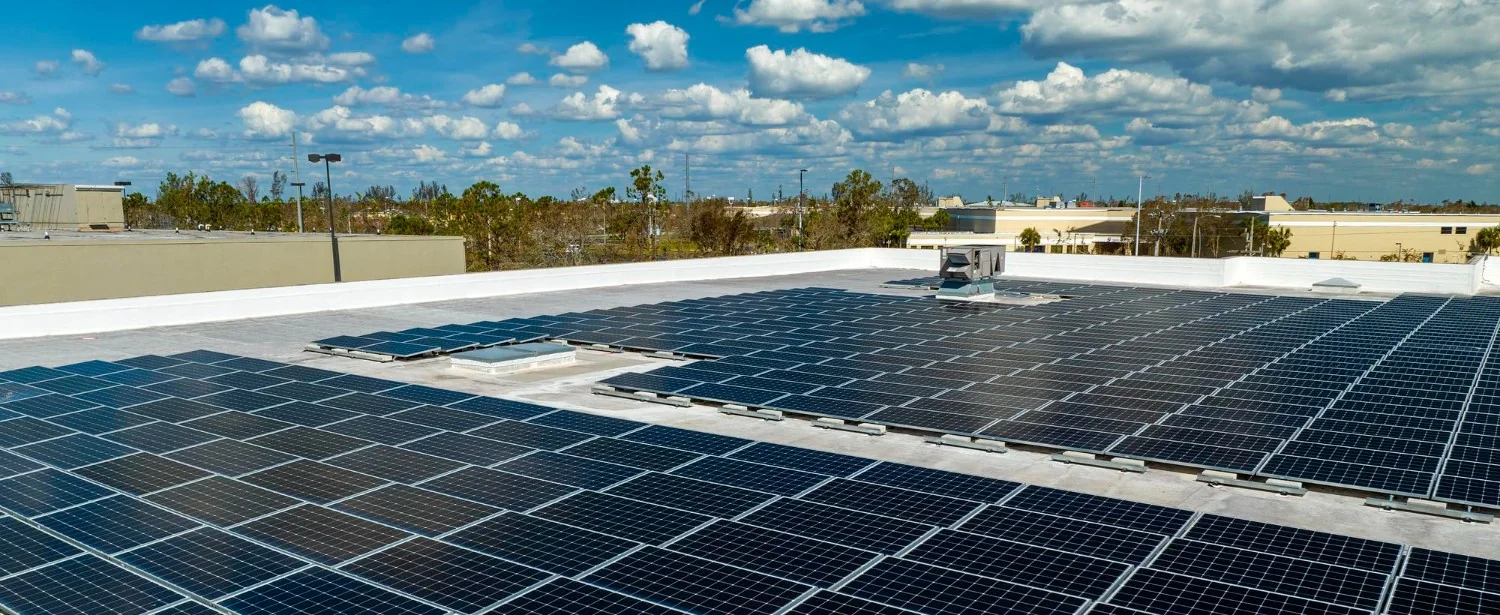
<ul><li><i>India’s rooftop solar capacity reached 30.7 GW in July 2026, increasing the need for better grid management and flexibility.</i></li><li><i>Kerala and Maharashtra are exploring battery ener…

• 𝘛𝘩𝘦 𝘌𝘐𝘉 𝘎𝘳𝘰𝘶𝘱 𝘱𝘭𝘢𝘯𝘴 𝘵𝘰 𝘱𝘳𝘰𝘷𝘪𝘥𝘦 𝘢𝘵 𝘭𝘦𝘢𝘴𝘵 €30 𝘣𝘪𝘭𝘭𝘪𝘰𝘯 𝘧𝘰𝘳 𝘤𝘭𝘪𝘮𝘢𝘵𝘦 𝘢𝘥𝘢𝘱𝘵𝘢𝘵𝘪𝘰𝘯 𝘣𝘦𝘵𝘸𝘦𝘦𝘯 2026 𝘢𝘯𝘥 2030. • 𝘛𝘩𝘦 𝘯𝘦𝘸 𝘵𝘢𝘳𝘨𝘦𝘵 𝘥𝘰𝘶𝘣𝘭𝘦𝘴 𝘢𝘥𝘢𝘱𝘵𝘢𝘵𝘪𝘰𝘯 𝘧𝘪𝘯𝘢𝘯𝘤𝘪𝘯𝘨 𝘤𝘰𝘮𝘱𝘢𝘳𝘦𝘥 𝘸𝘪𝘵𝘩 𝘵𝘩𝘦 𝘱𝘳𝘦𝘷𝘪𝘰𝘶𝘴 𝘧𝘪𝘷𝘦-𝘺𝘦𝘢𝘳 𝘱𝘦𝘳𝘪𝘰𝘥. • 𝘍𝘶𝘯𝘥𝘪𝘯𝘨…