

31 July 2026
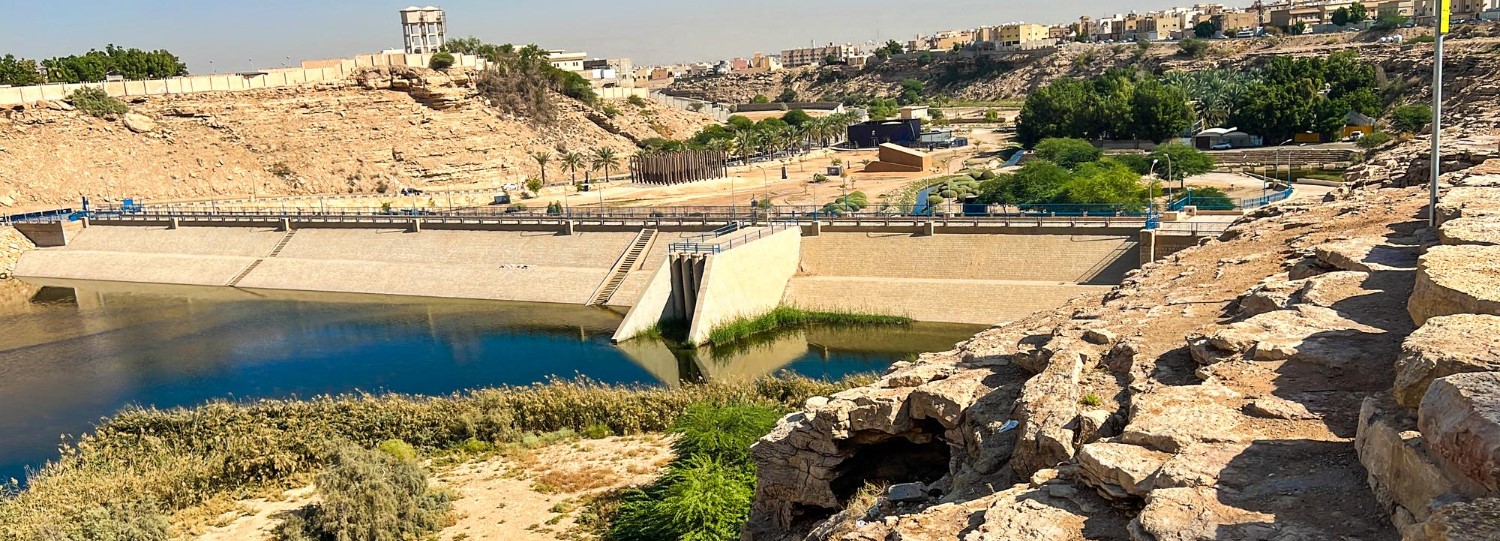
Saudi Arabia has officially designated 2027 as the "Year of Water", reinforcing the Kingdom's commitment to sustainable water resource management and long-term environmental resilience. The decision, approved by the Saudi Cabinet, aims to increase public awareness of water conservation, encourage responsible consumption, and promote the efficient management of one of the country's most valuable natural resources.
The initiative will be led by the Ministry of Environment, Water and Agriculture (MEWA) in collaboration with government agencies, private sector organizations, academic institutions, and community groups. Throughout 2027, a series of nationwide awareness campaigns, educational programs, innovation initiatives, and community engagement activities will highlight the importance of preserving water resources and adopting sustainable water practices.
The "Year of Water" initiative also seeks to showcase Saudi Arabia's achievements in advancing water sustainability. Over recent years, the Kingdom has invested heavily in desalination technologies, wastewater reuse, smart water infrastructure, and water efficiency programs to strengthen water security while reducing environmental impacts.
These efforts support the country's broader sustainability objectives under Saudi Vision 2030, which prioritizes environmental protection, resource efficiency, and resilient infrastructure.
By bringing together public institutions, businesses, researchers, and citizens, the initiative aims to foster a culture of responsible water stewardship and accelerate innovation in the water sector. It is expected to encourage the adoption of sustainable water management practices across industries and communities, contributing to enhanced water security and supporting the Kingdom's transition toward a more sustainable and climate-resilient future.
A dedicated year for sustainable water management typically catalyses regulatory action, technology procurement and reporting expectations, and Saudi's move raises the bar for Gulf water-intensive industries. Our climate-action and impact-assessment teams help clients evaluate water-linked exposure and align with emerging Gulf water-stewardship frameworks.

• 𝘛𝘩𝘦 𝘜𝘈𝘌 𝘍𝘰𝘰𝘥 𝘉𝘢𝘯𝘬 𝘢𝘯𝘥 𝘋𝘶𝘣𝘢𝘪’𝘴 𝘊𝘰𝘮𝘮𝘶𝘯𝘪𝘵𝘺 𝘋𝘦𝘷𝘦𝘭𝘰𝘱𝘮𝘦𝘯𝘵 𝘈𝘶𝘵𝘩𝘰𝘳𝘪𝘵𝘺 (𝘊𝘋𝘈) 𝘩𝘢𝘷𝘦 𝘴𝘪𝘨𝘯𝘦𝘥 𝘢𝘯 𝘢𝘨𝘳𝘦𝘦𝘮𝘦𝘯𝘵 𝘵𝘰 𝘤𝘰𝘭𝘭𝘦𝘤𝘵 𝘢𝘯𝘥 𝘳𝘦𝘥𝘪𝘴𝘵𝘳𝘪𝘣𝘶𝘵𝘦 𝘴𝘶𝘳𝘱𝘭𝘶𝘴 𝘧𝘰𝘰𝘥 𝘧𝘳𝘰𝘮 𝘸𝘦𝘥𝘥𝘪𝘯𝘨𝘴 𝘢𝘯𝘥 𝘦𝘷𝘦𝘯𝘵𝘴. • 𝘛𝘩𝘦 𝘪𝘯𝘪𝘵𝘪𝘢𝘵𝘪𝘷𝘦 𝘸𝘪𝘭𝘭 𝘧𝘰𝘭𝘭𝘰𝘸 𝘢𝘱𝘱𝘳𝘰𝘷𝘦𝘥…

<ul><li><i>India’s rooftop solar capacity reached 30.7 GW in July 2026, increasing the need for better grid management and flexibility.</i></li><li><i>Kerala and Maharashtra are exploring battery ener…

• 𝘛𝘩𝘦 𝘌𝘐𝘉 𝘎𝘳𝘰𝘶𝘱 𝘱𝘭𝘢𝘯𝘴 𝘵𝘰 𝘱𝘳𝘰𝘷𝘪𝘥𝘦 𝘢𝘵 𝘭𝘦𝘢𝘴𝘵 €30 𝘣𝘪𝘭𝘭𝘪𝘰𝘯 𝘧𝘰𝘳 𝘤𝘭𝘪𝘮𝘢𝘵𝘦 𝘢𝘥𝘢𝘱𝘵𝘢𝘵𝘪𝘰𝘯 𝘣𝘦𝘵𝘸𝘦𝘦𝘯 2026 𝘢𝘯𝘥 2030. • 𝘛𝘩𝘦 𝘯𝘦𝘸 𝘵𝘢𝘳𝘨𝘦𝘵 𝘥𝘰𝘶𝘣𝘭𝘦𝘴 𝘢𝘥𝘢𝘱𝘵𝘢𝘵𝘪𝘰𝘯 𝘧𝘪𝘯𝘢𝘯𝘤𝘪𝘯𝘨 𝘤𝘰𝘮𝘱𝘢𝘳𝘦𝘥 𝘸𝘪𝘵𝘩 𝘵𝘩𝘦 𝘱𝘳𝘦𝘷𝘪𝘰𝘶𝘴 𝘧𝘪𝘷𝘦-𝘺𝘦𝘢𝘳 𝘱𝘦𝘳𝘪𝘰𝘥. • 𝘍𝘶𝘯𝘥𝘪𝘯𝘨…