

07 August 2026
Saudi Arabia has taken another step toward expanding its renewable energy capacity with the arrival of a major shipment of wind turbine components at King Fahad Industrial Port in Yanbu. The shipment includes nine wind turbines, 27 blades and other associated equipment destined for the Sitarah and Shaqra wind energy projects.
The projects are being developed as part of Saudi Arabia’s National Renewable Energy Program (NREP), a key initiative supporting the Kingdom’s transition toward a more diversified and sustainable energy mix. The program is overseen by the Saudi Ministry of Energy and implemented through the Saudi Power Procurement Company (SPPC).
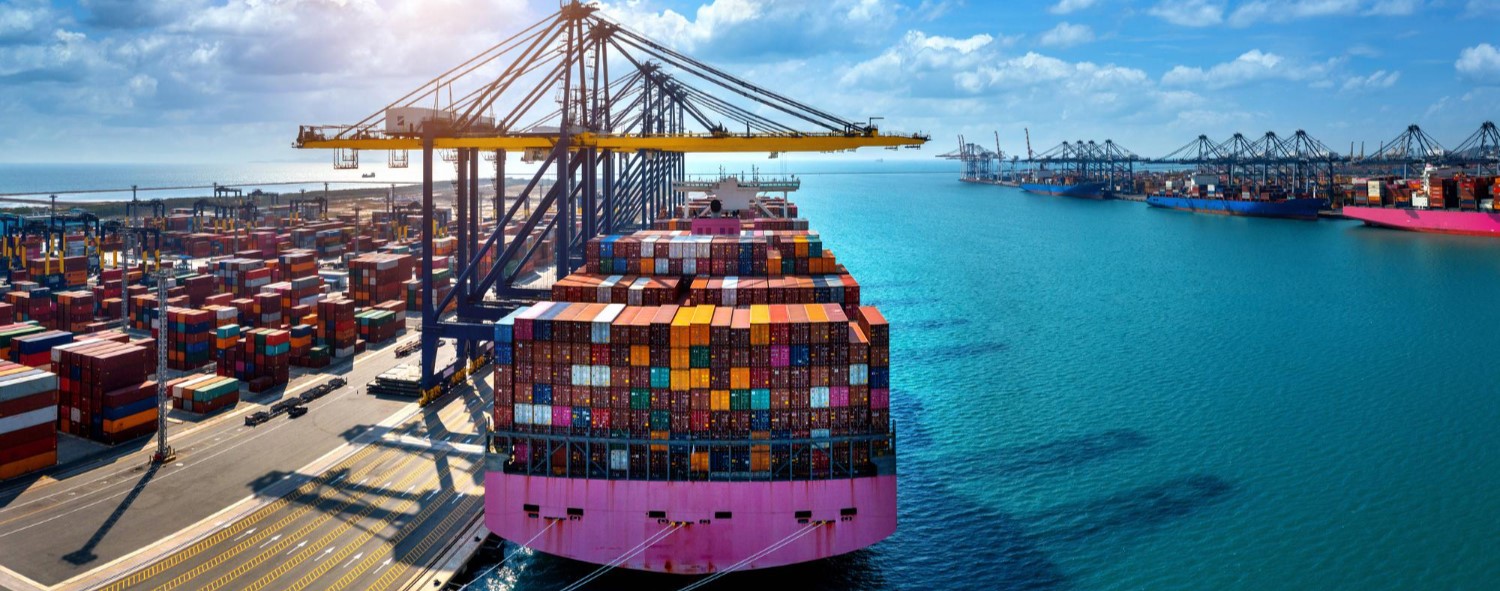
The arrival of the turbine equipment highlights continued progress in developing Saudi Arabia’s domestic renewable energy infrastructure. Port and logistics capabilities are also playing an important role in facilitating the movement of large-scale renewable energy equipment into the Kingdom.
The Sitarah and Shaqra projects form part of Saudi Arabia’s broader efforts to increase renewable electricity generation and reduce reliance on conventional energy sources. The Kingdom aims to significantly increase the contribution of renewable energy to its electricity mix as part of Saudi Vision 2030 and its wider energy-transition strategy.
The latest shipment therefore represents not only progress on individual wind projects but also continued momentum in Saudi Arabia’s broader renewable energy expansion.
Nine wind turbines and 27 blades for Sitarah and Shaqra projects under NREP reflects continued execution of Saudi Arabia's renewable diversification. Wind capacity build-out is analytically important - Gulf jurisdictions have historically been solar-dominated, but wind adds complementary generation profiles (seasonally and diurnally different than solar) that improve grid balance.
The port-and-logistics capability dimension is analytically important. Wind-component logistics (blades exceeding 60m in modern turbines) require specialised port infrastructure and inland transport; Yanbu's positioning as renewable-component gateway captures the industrial-logistics architecture that scaled renewable deployment requires. Well-developed logistics infrastructure reduces project cost and schedule risk.
For wind developers, equipment manufacturers, EPC contractors, logistics providers, financial institutions and technology providers with Saudi renewable investment exposure, Cognitud's energy transition, responsible investment and market intelligence teams help clients evaluate NREP-linked opportunities, structure long-term commercial arrangements aligned with Vision 2030 priorities, and prepare disclosures aligned with Saudi Exchange, ISSB and jurisdictional renewable-energy frameworks.

• 𝘛𝘩𝘦 𝘜𝘈𝘌 𝘍𝘰𝘰𝘥 𝘉𝘢𝘯𝘬 𝘢𝘯𝘥 𝘋𝘶𝘣𝘢𝘪’𝘴 𝘊𝘰𝘮𝘮𝘶𝘯𝘪𝘵𝘺 𝘋𝘦𝘷𝘦𝘭𝘰𝘱𝘮𝘦𝘯𝘵 𝘈𝘶𝘵𝘩𝘰𝘳𝘪𝘵𝘺 (𝘊𝘋𝘈) 𝘩𝘢𝘷𝘦 𝘴𝘪𝘨𝘯𝘦𝘥 𝘢𝘯 𝘢𝘨𝘳𝘦𝘦𝘮𝘦𝘯𝘵 𝘵𝘰 𝘤𝘰𝘭𝘭𝘦𝘤𝘵 𝘢𝘯𝘥 𝘳𝘦𝘥𝘪𝘴𝘵𝘳𝘪𝘣𝘶𝘵𝘦 𝘴𝘶𝘳𝘱𝘭𝘶𝘴 𝘧𝘰𝘰𝘥 𝘧𝘳𝘰𝘮 𝘸𝘦𝘥𝘥𝘪𝘯𝘨𝘴 𝘢𝘯𝘥 𝘦𝘷𝘦𝘯𝘵𝘴. • 𝘛𝘩𝘦 𝘪𝘯𝘪𝘵𝘪𝘢𝘵𝘪𝘷𝘦 𝘸𝘪𝘭𝘭 𝘧𝘰𝘭𝘭𝘰𝘸 𝘢𝘱𝘱𝘳𝘰𝘷𝘦𝘥…

<ul><li><i>India’s rooftop solar capacity reached 30.7 GW in July 2026, increasing the need for better grid management and flexibility.</i></li><li><i>Kerala and Maharashtra are exploring battery ener…

• 𝘛𝘩𝘦 𝘌𝘐𝘉 𝘎𝘳𝘰𝘶𝘱 𝘱𝘭𝘢𝘯𝘴 𝘵𝘰 𝘱𝘳𝘰𝘷𝘪𝘥𝘦 𝘢𝘵 𝘭𝘦𝘢𝘴𝘵 €30 𝘣𝘪𝘭𝘭𝘪𝘰𝘯 𝘧𝘰𝘳 𝘤𝘭𝘪𝘮𝘢𝘵𝘦 𝘢𝘥𝘢𝘱𝘵𝘢𝘵𝘪𝘰𝘯 𝘣𝘦𝘵𝘸𝘦𝘦𝘯 2026 𝘢𝘯𝘥 2030. • 𝘛𝘩𝘦 𝘯𝘦𝘸 𝘵𝘢𝘳𝘨𝘦𝘵 𝘥𝘰𝘶𝘣𝘭𝘦𝘴 𝘢𝘥𝘢𝘱𝘵𝘢𝘵𝘪𝘰𝘯 𝘧𝘪𝘯𝘢𝘯𝘤𝘪𝘯𝘨 𝘤𝘰𝘮𝘱𝘢𝘳𝘦𝘥 𝘸𝘪𝘵𝘩 𝘵𝘩𝘦 𝘱𝘳𝘦𝘷𝘪𝘰𝘶𝘴 𝘧𝘪𝘷𝘦-𝘺𝘦𝘢𝘳 𝘱𝘦𝘳𝘪𝘰𝘥. • 𝘍𝘶𝘯𝘥𝘪𝘯𝘨…