

06 August 2026
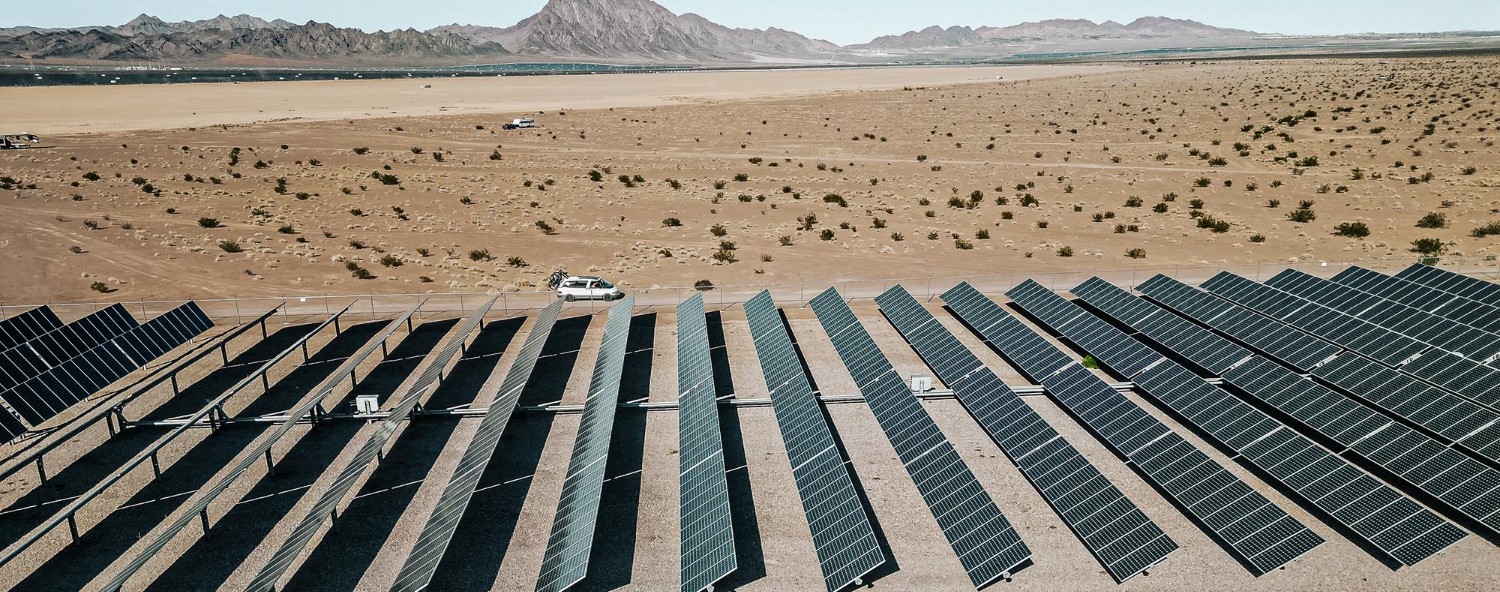
Saudi Arabia has strengthened its renewable energy ambitions with the development of the 1,100 MW Al Henakiyah Solar Project, a major utility-scale solar initiative under the Kingdom's National Renewable Energy Program (NREP). The project is being developed through a consortium that includes Masdar, EDF Renewables, and Nesma, with oversight from the Saudi Ministry of Energy through the Saudi Power Procurement Company (SPPC).
Located in the Al Henakiyah region of Madinah Province, the solar power plant is expected to generate enough clean electricity to supply approximately 190,000 households while reducing carbon dioxide emissions by nearly 1.8 million tonnes annually. Once operational, the project will significantly increase Saudi Arabia's renewable energy capacity and reduce dependence on fossil fuel-based electricity generation.
The Al Henakiyah Solar Project forms part of Saudi Arabia's broader strategy to diversify its energy mix and achieve its Vision 2030 sustainability goals, including the target of generating 50% of the country's electricity from renewable energy sources by 2030. It also supports national efforts to improve energy security, attract clean energy investments, and accelerate the transition to a low-carbon economy.
As one of the Kingdom's largest solar developments, the project highlights Saudi Arabia's continued commitment to expanding renewable energy infrastructure and reinforcing its position as a regional leader in sustainable energy development.
Saudi Arabia's NREP pipeline is finally turning the 50%-renewables-by-2030 goal into something corporates can actually buy - and for Kingdom-based businesses, industrial-scale clean PPAs are genuinely on the table for the first time. Our energy-transition and responsible-investment teams help clients rethink Scope 2 and ISSB S2 reporting against this expanded PPA optionality.

• 𝘛𝘩𝘦 𝘜𝘈𝘌 𝘍𝘰𝘰𝘥 𝘉𝘢𝘯𝘬 𝘢𝘯𝘥 𝘋𝘶𝘣𝘢𝘪’𝘴 𝘊𝘰𝘮𝘮𝘶𝘯𝘪𝘵𝘺 𝘋𝘦𝘷𝘦𝘭𝘰𝘱𝘮𝘦𝘯𝘵 𝘈𝘶𝘵𝘩𝘰𝘳𝘪𝘵𝘺 (𝘊𝘋𝘈) 𝘩𝘢𝘷𝘦 𝘴𝘪𝘨𝘯𝘦𝘥 𝘢𝘯 𝘢𝘨𝘳𝘦𝘦𝘮𝘦𝘯𝘵 𝘵𝘰 𝘤𝘰𝘭𝘭𝘦𝘤𝘵 𝘢𝘯𝘥 𝘳𝘦𝘥𝘪𝘴𝘵𝘳𝘪𝘣𝘶𝘵𝘦 𝘴𝘶𝘳𝘱𝘭𝘶𝘴 𝘧𝘰𝘰𝘥 𝘧𝘳𝘰𝘮 𝘸𝘦𝘥𝘥𝘪𝘯𝘨𝘴 𝘢𝘯𝘥 𝘦𝘷𝘦𝘯𝘵𝘴. • 𝘛𝘩𝘦 𝘪𝘯𝘪𝘵𝘪𝘢𝘵𝘪𝘷𝘦 𝘸𝘪𝘭𝘭 𝘧𝘰𝘭𝘭𝘰𝘸 𝘢𝘱𝘱𝘳𝘰𝘷𝘦𝘥…

<ul><li><i>India’s rooftop solar capacity reached 30.7 GW in July 2026, increasing the need for better grid management and flexibility.</i></li><li><i>Kerala and Maharashtra are exploring battery ener…

• 𝘛𝘩𝘦 𝘌𝘐𝘉 𝘎𝘳𝘰𝘶𝘱 𝘱𝘭𝘢𝘯𝘴 𝘵𝘰 𝘱𝘳𝘰𝘷𝘪𝘥𝘦 𝘢𝘵 𝘭𝘦𝘢𝘴𝘵 €30 𝘣𝘪𝘭𝘭𝘪𝘰𝘯 𝘧𝘰𝘳 𝘤𝘭𝘪𝘮𝘢𝘵𝘦 𝘢𝘥𝘢𝘱𝘵𝘢𝘵𝘪𝘰𝘯 𝘣𝘦𝘵𝘸𝘦𝘦𝘯 2026 𝘢𝘯𝘥 2030. • 𝘛𝘩𝘦 𝘯𝘦𝘸 𝘵𝘢𝘳𝘨𝘦𝘵 𝘥𝘰𝘶𝘣𝘭𝘦𝘴 𝘢𝘥𝘢𝘱𝘵𝘢𝘵𝘪𝘰𝘯 𝘧𝘪𝘯𝘢𝘯𝘤𝘪𝘯𝘨 𝘤𝘰𝘮𝘱𝘢𝘳𝘦𝘥 𝘸𝘪𝘵𝘩 𝘵𝘩𝘦 𝘱𝘳𝘦𝘷𝘪𝘰𝘶𝘴 𝘧𝘪𝘷𝘦-𝘺𝘦𝘢𝘳 𝘱𝘦𝘳𝘪𝘰𝘥. • 𝘍𝘶𝘯𝘥𝘪𝘯𝘨…