

11 December 2025
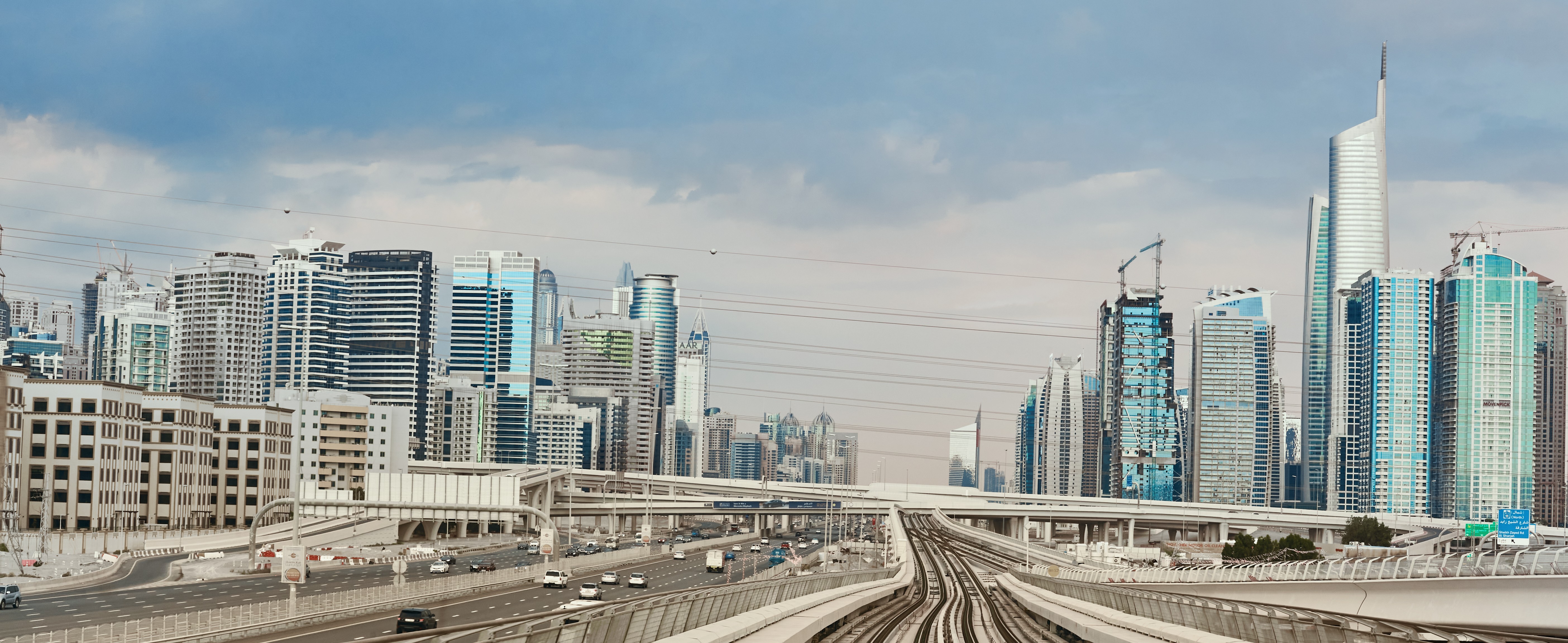
Saudi Arabia and Qatar have announced a high-speed electric rail project connecting Riyadh and Doha, reducing the journey to approximately two hours. This development marks a significant milestone in regional connectivity, trade, and sustainable transport. The rail line is projected to handle millions of passengers annually, providing an eco-friendly alternative to road and air travel while aligning with both nations’ commitments to reducing greenhouse gas emissions.
The project, spanning nearly 785 km, is expected to enhance economic integration, facilitate tourism, and strengthen cross-border collaboration. Officials highlighted the use of electric traction to minimise emissions and emphasised the role of the rail line in supporting regional climate commitments. The project also aims to create jobs and enhance technical expertise in the transport sector, contributing to broader economic diversification objectives.
In addition to environmental benefits, the rail project is designed with resilience and modern infrastructure in mind, including advanced signaling, energy efficiency measures, and integration with urban mobility networks. Leaders described it as part of a wider vision for sustainable transport in the Gulf region, offering long-term socio-economic and environmental advantages.
A 785-km electric high-speed rail link between Riyadh and Doha represents one of the more ambitious cross-border sustainable-transport infrastructure projects in the GCC. Electric traction combined with well-designed operations delivers dramatic emissions reductions per passenger-kilometre versus air travel or car - genuine modal-shift potential rather than incremental efficiency improvement.
The project's dual sustainability-and-integration framing captures the strategic logic. Regional connectivity supports both trade and diplomatic objectives while advancing shared climate commitments. If delivered as planned, the line would set a reference for further GCC cross-border rail infrastructure that has historically been discussed but rarely delivered.
For rail operators, EPC contractors, financial institutions and technology providers evaluating Gulf infrastructure opportunities, Cognitud's energy transition, climate action and market intelligence teams help clients evaluate cross-border sustainable-infrastructure opportunities, structure sustainability-linked financing arrangements, and prepare disclosures aligned with CDP Transport, ISSB and jurisdictional sustainable-transport frameworks that increasingly determine access to sustainable-finance and preferred-partner positioning in Gulf infrastructure programmes.

• 𝘛𝘩𝘦 𝘜𝘈𝘌 𝘍𝘰𝘰𝘥 𝘉𝘢𝘯𝘬 𝘢𝘯𝘥 𝘋𝘶𝘣𝘢𝘪’𝘴 𝘊𝘰𝘮𝘮𝘶𝘯𝘪𝘵𝘺 𝘋𝘦𝘷𝘦𝘭𝘰𝘱𝘮𝘦𝘯𝘵 𝘈𝘶𝘵𝘩𝘰𝘳𝘪𝘵𝘺 (𝘊𝘋𝘈) 𝘩𝘢𝘷𝘦 𝘴𝘪𝘨𝘯𝘦𝘥 𝘢𝘯 𝘢𝘨𝘳𝘦𝘦𝘮𝘦𝘯𝘵 𝘵𝘰 𝘤𝘰𝘭𝘭𝘦𝘤𝘵 𝘢𝘯𝘥 𝘳𝘦𝘥𝘪𝘴𝘵𝘳𝘪𝘣𝘶𝘵𝘦 𝘴𝘶𝘳𝘱𝘭𝘶𝘴 𝘧𝘰𝘰𝘥 𝘧𝘳𝘰𝘮 𝘸𝘦𝘥𝘥𝘪𝘯𝘨𝘴 𝘢𝘯𝘥 𝘦𝘷𝘦𝘯𝘵𝘴. • 𝘛𝘩𝘦 𝘪𝘯𝘪𝘵𝘪𝘢𝘵𝘪𝘷𝘦 𝘸𝘪𝘭𝘭 𝘧𝘰𝘭𝘭𝘰𝘸 𝘢𝘱𝘱𝘳𝘰𝘷𝘦𝘥…

<ul><li><i>India’s rooftop solar capacity reached 30.7 GW in July 2026, increasing the need for better grid management and flexibility.</i></li><li><i>Kerala and Maharashtra are exploring battery ener…

• 𝘛𝘩𝘦 𝘌𝘐𝘉 𝘎𝘳𝘰𝘶𝘱 𝘱𝘭𝘢𝘯𝘴 𝘵𝘰 𝘱𝘳𝘰𝘷𝘪𝘥𝘦 𝘢𝘵 𝘭𝘦𝘢𝘴𝘵 €30 𝘣𝘪𝘭𝘭𝘪𝘰𝘯 𝘧𝘰𝘳 𝘤𝘭𝘪𝘮𝘢𝘵𝘦 𝘢𝘥𝘢𝘱𝘵𝘢𝘵𝘪𝘰𝘯 𝘣𝘦𝘵𝘸𝘦𝘦𝘯 2026 𝘢𝘯𝘥 2030. • 𝘛𝘩𝘦 𝘯𝘦𝘸 𝘵𝘢𝘳𝘨𝘦𝘵 𝘥𝘰𝘶𝘣𝘭𝘦𝘴 𝘢𝘥𝘢𝘱𝘵𝘢𝘵𝘪𝘰𝘯 𝘧𝘪𝘯𝘢𝘯𝘤𝘪𝘯𝘨 𝘤𝘰𝘮𝘱𝘢𝘳𝘦𝘥 𝘸𝘪𝘵𝘩 𝘵𝘩𝘦 𝘱𝘳𝘦𝘷𝘪𝘰𝘶𝘴 𝘧𝘪𝘷𝘦-𝘺𝘦𝘢𝘳 𝘱𝘦𝘳𝘪𝘰𝘥. • 𝘍𝘶𝘯𝘥𝘪𝘯𝘨…