


01 July 2025
Qatar has made great progress in making its climate more resilient by using an integrated, multi-sectoral approach. This shows how committed the country is to protecting the environment.
Environmental Specialist Sultana Abdullah Al-Wajhan from the Ministry of Environment and Climate Change (MECC) talked about Qatar's proactive approach to fighting climate change on Qatar TV recently.
She praised how well the different government agencies worked together, saying that they were in charge of carrying out Qatar's changing National Adaptation Plan.
Key government bodies, including the Ministry of Municipality and the Ministry of Public Health, launched targeted initiatives such as Climate-Smart Agriculture programs to secure food systems and climate-proofing healthcare infrastructure in partnership with Hamad Medical Corporation.
Simultaneously, biodiversity conservation efforts were bolstered by the Environmental Systems Protection Department and the Department of Nature Reserves and Wildlife, reinforcing Qatar’s environmental stewardship.
Institutions like Kahramaa and Ashghal advanced water reuse, energy efficiency, and the rationalization of utilities through national programs like Tarsheed.
Al-Wajhan also recognized the increasing role of the private sector, which has begun actively participating in climate mitigation and adaptation efforts.
This growing collaboration across sectors was further reinforced during the national workshop titled “The Future of Climate Change in Qatar,” where stakeholders defined and prioritized adaptation strategies across six vital sectors: water, health, biodiversity, infrastructure, agriculture, and energy.
The workshop marked a pivotal step in aligning climate goals with Qatar National Vision 2030 and the UN Sustainable Development Goals.
Qatar is building a strong base for a climate-resilient future by using a science-based, methodical approach to find weaknesses and plan ways to adapt to them. These coordinated national efforts show a strong example of inclusive climate governance, which brings together public leadership, private involvement, and public awareness to deal with the growing problems caused by climate change.
When a Gulf state formalises adaptation planning across six sectors at once, physical-climate risk stops being a boilerplate line in TCFD reports and becomes a live operational question for anyone with infrastructure exposure. That kind of quantification work - mapping asset-level exposure to national resilience plans - sits at the intersection of our climate-action and impact-assessment practices.
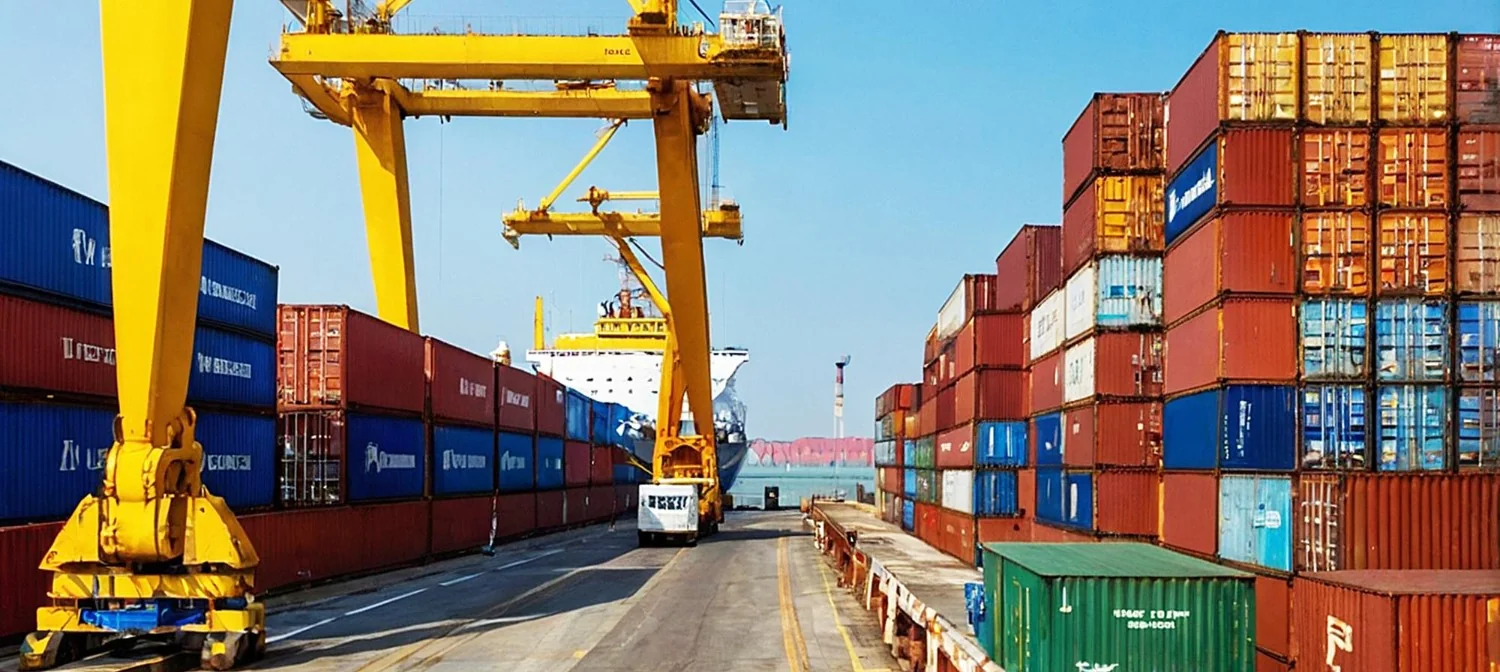
<ul><li><i>India is developing its first port-based e-methanol plant.</i></li><li><i>The ₹2,300-crore project is being developed through a partnership involving Deendayal Port Authority and Assam Petr…
.jpg)
• 𝘔𝘢𝘭𝘢𝘺𝘴𝘪𝘢 𝘢𝘯𝘥 𝘊𝘩𝘪𝘯𝘢 𝘢𝘳𝘦 𝘴𝘵𝘳𝘦𝘯𝘨𝘵𝘩𝘦𝘯𝘪𝘯𝘨 𝘣𝘪𝘭𝘢𝘵𝘦𝘳𝘢𝘭 𝘤𝘰𝘰𝘱𝘦𝘳𝘢𝘵𝘪𝘰𝘯 𝘰𝘯 𝘯𝘢𝘵𝘶𝘳𝘢𝘭 𝘳𝘦𝘴𝘰𝘶𝘳𝘤𝘦 𝘮𝘢𝘯𝘢𝘨𝘦𝘮𝘦𝘯𝘵 𝘢𝘯𝘥 𝘦𝘯𝘷𝘪𝘳𝘰𝘯𝘮𝘦𝘯𝘵𝘢𝘭 𝘴𝘶𝘴𝘵𝘢𝘪𝘯𝘢𝘣𝘪𝘭𝘪𝘵𝘺. • 𝘛𝘩𝘦 𝘱𝘢𝘳𝘵𝘯𝘦𝘳𝘴 𝘢𝘳𝘦 𝘦𝘹𝘱𝘭𝘰𝘳𝘪𝘯𝘨 𝘢 𝘱𝘳𝘰𝘱𝘰𝘴𝘦𝘥 𝘔𝘢𝘳𝘪𝘯𝘦 𝘌𝘯𝘷𝘪𝘳𝘰𝘯𝘮𝘦𝘯𝘵𝘢𝘭 𝘊𝘰𝘰𝘱𝘦𝘳𝘢𝘵𝘪𝘰𝘯 𝘈…

• 𝘔𝘦𝘹𝘪𝘤𝘰 𝘤𝘰𝘶𝘭𝘥 𝘳𝘦𝘥𝘶𝘤𝘦 𝘨𝘳𝘰𝘴𝘴 𝘰𝘪𝘭 𝘢𝘯𝘥 𝘨𝘢𝘴 𝘪𝘮𝘱𝘰𝘳𝘵𝘴 𝘣𝘺 34% 𝘣𝘺 2050 𝘵𝘩𝘳𝘰𝘶𝘨𝘩 𝘦𝘭𝘦𝘤𝘵𝘳𝘪𝘧𝘪𝘤𝘢𝘵𝘪𝘰𝘯 𝘢𝘯𝘥 𝘮𝘰𝘣𝘪𝘭𝘪𝘵𝘺 𝘴𝘩𝘪𝘧𝘵𝘴. • 𝘊𝘰𝘮𝘣𝘪𝘯𝘦𝘥 𝘦𝘭𝘦𝘤𝘵𝘳𝘪𝘧𝘪𝘤𝘢𝘵𝘪𝘰𝘯 𝘢𝘯𝘥 𝘱𝘶𝘣𝘭𝘪𝘤 𝘵𝘳𝘢𝘯𝘴𝘪𝘵 𝘤𝘰𝘶𝘭𝘥 𝘤𝘶𝘵 𝘶𝘳𝘣𝘢𝘯 𝘱𝘢𝘴𝘴𝘦𝘯𝘨𝘦𝘳 𝘵𝘳𝘢𝘯𝘴𝘱𝘰𝘳𝘵 𝘦𝘯𝘦𝘳𝘨𝘺 𝘤𝘰𝘯…