

30 March 2026
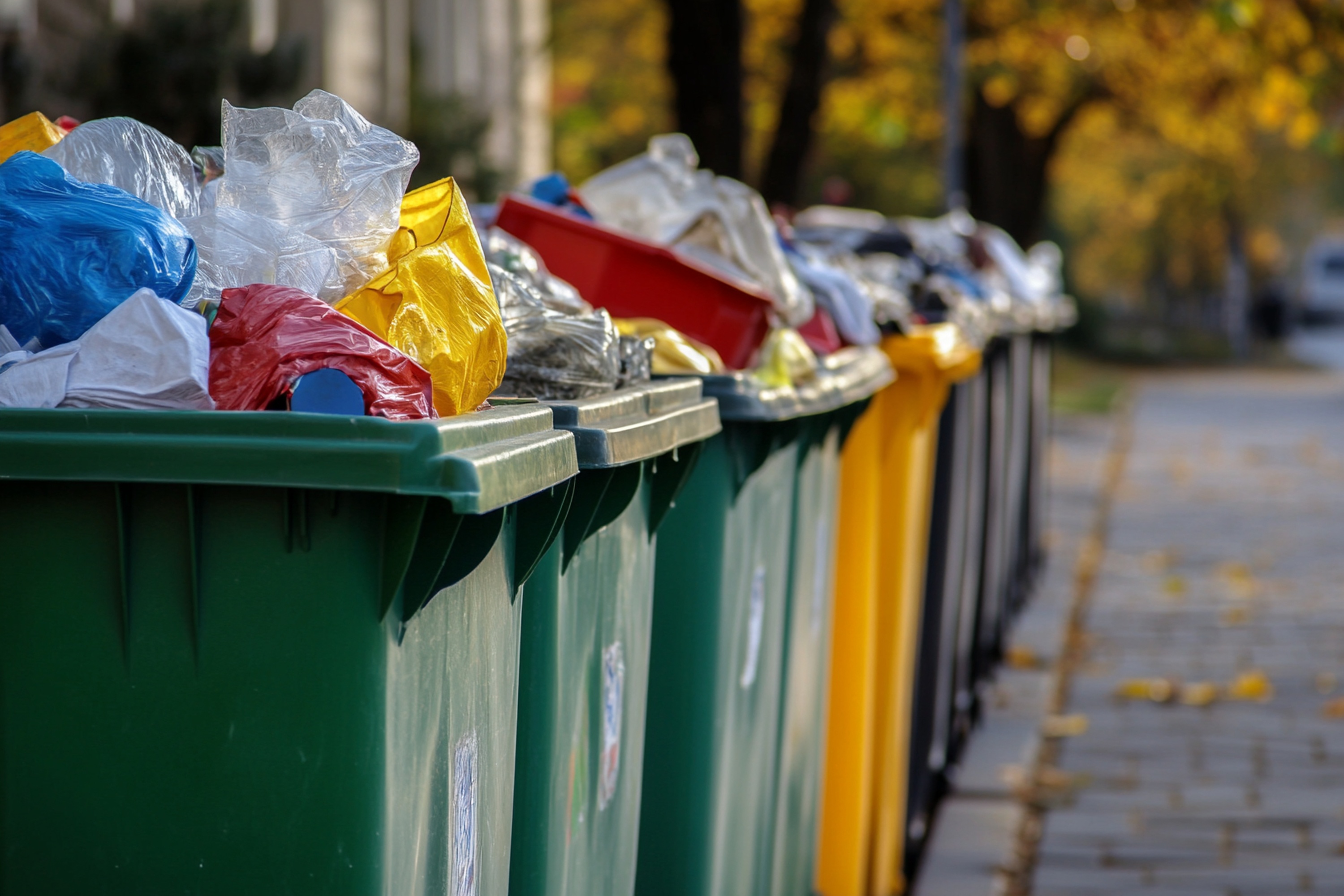
Qatar’s Ministry of Municipality Qatar has launched an initiative to promote source segregation of waste, encouraging households and businesses to separate recyclable materials from general waste. The programme forms part of the country’s broader efforts to improve waste management practices and support environmental sustainability.
The initiative focuses on raising public awareness about the importance of sorting waste at the point of disposal, which is critical to increasing recycling rates and reducing landfill dependency. Authorities are promoting best practices through outreach campaigns, educational activities and community engagement efforts aimed at driving behavioural change.
By improving segregation at the source, the programme is expected to enhance the efficiency of recycling systems and enable better resource recovery. It also contributes to reducing environmental pollution and supporting circular economy principles.
While primarily awareness-driven, the initiative reflects Qatar’s ongoing efforts to strengthen its environmental framework and align waste management practices with sustainability goals. It highlights the role of public participation in achieving long-term environmental outcomes.
Source segregation is the single highest-leverage intervention in municipal waste management: separating recyclables at generation point dramatically improves both recycling rates and material quality, while reducing landfill methane emissions from organic waste decomposition. Behavioural change programmes are typically slower to deliver than infrastructure investment but ultimately more durable.
The awareness-and-education emphasis reflects understanding that segregation succeeds or fails at the household and business level, not the collection or processing level. Community engagement, workshops and educational activities build the habitual behaviour that infrastructure investment alone cannot generate.
For consumer-goods brands, retailers, waste-management operators and their CSR and financial partners active in the GCC, Cognitud's circular economy, CSR and impact assessment teams help clients design source-segregation partnership programmes, structure supplier and consumer engagement, and prepare disclosures aligned with SDG 12, CDP Waste and jurisdictional waste-management frameworks that increasingly influence corporate and public-sector reputation on sustainability performance.

• 𝘛𝘩𝘦 𝘜𝘈𝘌 𝘍𝘰𝘰𝘥 𝘉𝘢𝘯𝘬 𝘢𝘯𝘥 𝘋𝘶𝘣𝘢𝘪’𝘴 𝘊𝘰𝘮𝘮𝘶𝘯𝘪𝘵𝘺 𝘋𝘦𝘷𝘦𝘭𝘰𝘱𝘮𝘦𝘯𝘵 𝘈𝘶𝘵𝘩𝘰𝘳𝘪𝘵𝘺 (𝘊𝘋𝘈) 𝘩𝘢𝘷𝘦 𝘴𝘪𝘨𝘯𝘦𝘥 𝘢𝘯 𝘢𝘨𝘳𝘦𝘦𝘮𝘦𝘯𝘵 𝘵𝘰 𝘤𝘰𝘭𝘭𝘦𝘤𝘵 𝘢𝘯𝘥 𝘳𝘦𝘥𝘪𝘴𝘵𝘳𝘪𝘣𝘶𝘵𝘦 𝘴𝘶𝘳𝘱𝘭𝘶𝘴 𝘧𝘰𝘰𝘥 𝘧𝘳𝘰𝘮 𝘸𝘦𝘥𝘥𝘪𝘯𝘨𝘴 𝘢𝘯𝘥 𝘦𝘷𝘦𝘯𝘵𝘴. • 𝘛𝘩𝘦 𝘪𝘯𝘪𝘵𝘪𝘢𝘵𝘪𝘷𝘦 𝘸𝘪𝘭𝘭 𝘧𝘰𝘭𝘭𝘰𝘸 𝘢𝘱𝘱𝘳𝘰𝘷𝘦𝘥…
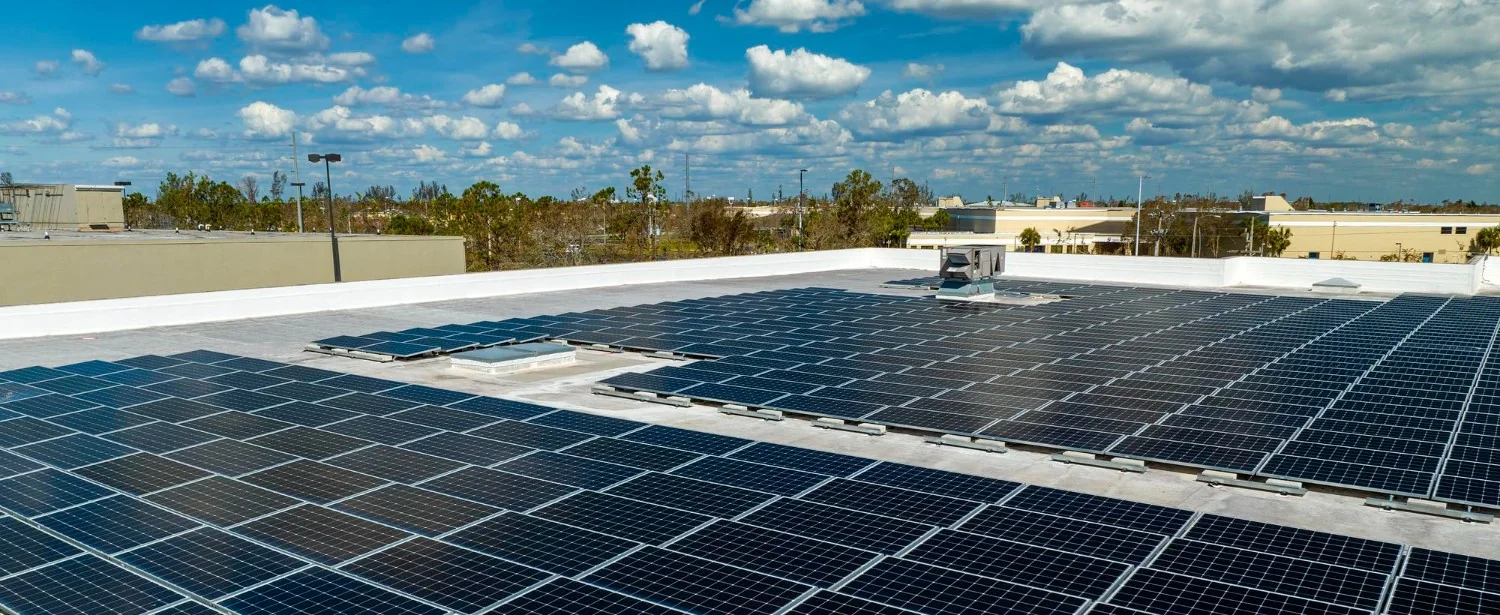
<ul><li><i>India’s rooftop solar capacity reached 30.7 GW in July 2026, increasing the need for better grid management and flexibility.</i></li><li><i>Kerala and Maharashtra are exploring battery ener…

• 𝘛𝘩𝘦 𝘌𝘐𝘉 𝘎𝘳𝘰𝘶𝘱 𝘱𝘭𝘢𝘯𝘴 𝘵𝘰 𝘱𝘳𝘰𝘷𝘪𝘥𝘦 𝘢𝘵 𝘭𝘦𝘢𝘴𝘵 €30 𝘣𝘪𝘭𝘭𝘪𝘰𝘯 𝘧𝘰𝘳 𝘤𝘭𝘪𝘮𝘢𝘵𝘦 𝘢𝘥𝘢𝘱𝘵𝘢𝘵𝘪𝘰𝘯 𝘣𝘦𝘵𝘸𝘦𝘦𝘯 2026 𝘢𝘯𝘥 2030. • 𝘛𝘩𝘦 𝘯𝘦𝘸 𝘵𝘢𝘳𝘨𝘦𝘵 𝘥𝘰𝘶𝘣𝘭𝘦𝘴 𝘢𝘥𝘢𝘱𝘵𝘢𝘵𝘪𝘰𝘯 𝘧𝘪𝘯𝘢𝘯𝘤𝘪𝘯𝘨 𝘤𝘰𝘮𝘱𝘢𝘳𝘦𝘥 𝘸𝘪𝘵𝘩 𝘵𝘩𝘦 𝘱𝘳𝘦𝘷𝘪𝘰𝘶𝘴 𝘧𝘪𝘷𝘦-𝘺𝘦𝘢𝘳 𝘱𝘦𝘳𝘪𝘰𝘥. • 𝘍𝘶𝘯𝘥𝘪𝘯𝘨…