

16 June 2026
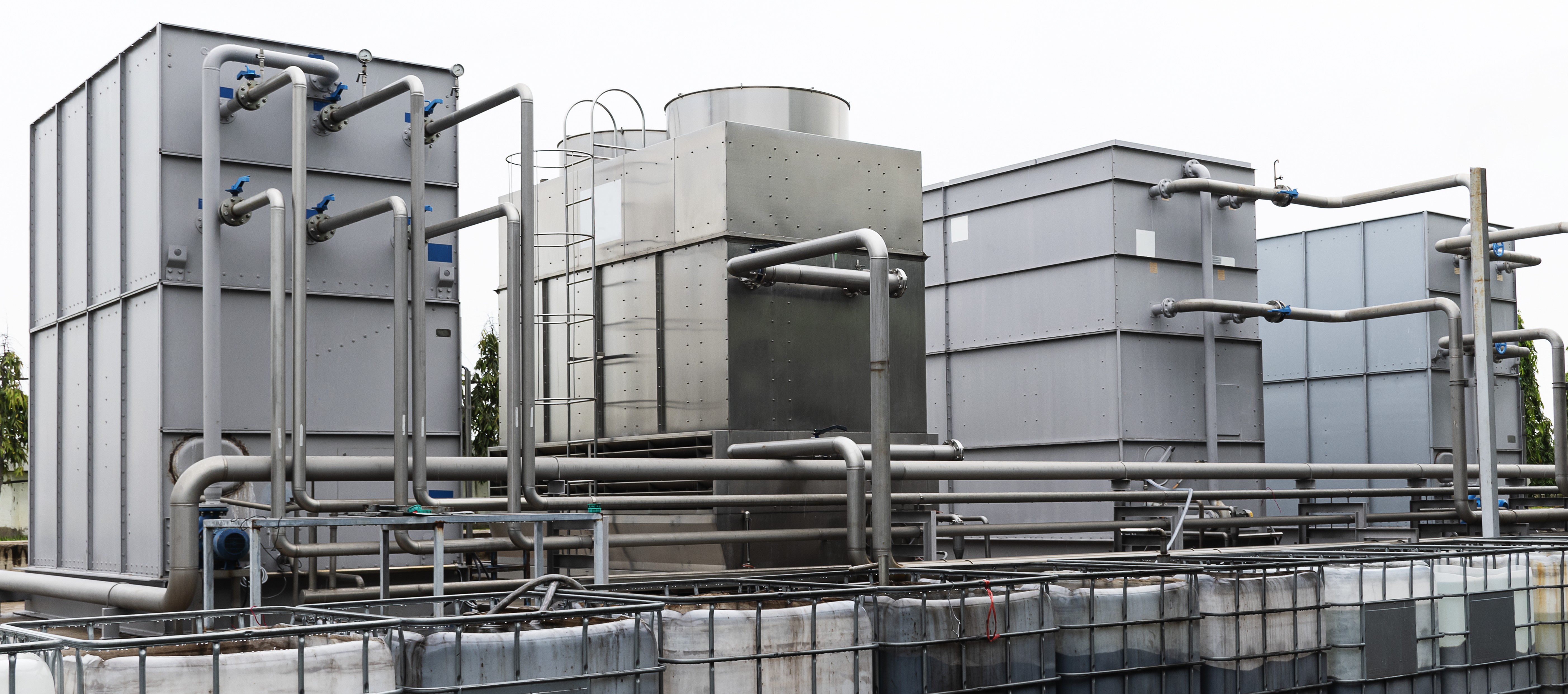
Qatar has introduced a new regulatory framework for its district cooling sector, marking a significant step in the country's efforts to improve energy efficiency and support sustainable urban development. The regulations are designed to create a more structured and transparent market while encouraging investment in cooling infrastructure.
The new rules establish standards for licensing, operations and service delivery across the district cooling industry. Authorities said the framework will help improve oversight, enhance consumer protection and promote greater efficiency in one of the region's most energy-intensive sectors.
District cooling systems provide centralized cooling to multiple buildings and are widely regarded as a more energy-efficient alternative to conventional air-conditioning systems. By expanding the use of district cooling, Qatar aims to reduce electricity consumption, lower greenhouse gas emissions and support its broader environmental and climate objectives.
Officials said the regulations will help accelerate sector growth while contributing to the country's long-term sustainability goals. The move aligns with Qatar's wider strategy to improve resource efficiency, strengthen infrastructure resilience and advance the transition towards a more sustainable economy.
Space cooling in Gulf climates is one of the highest-leverage energy-consumption categories - often exceeding 60 percent of building electricity demand in peak conditions. Well-designed district cooling systems can deliver substantial efficiency improvements over conventional building-level air conditioning, with typical savings of 20-40 percent depending on system design and utilisation.
The regulatory framework - covering licensing, operations, service delivery and consumer protection - addresses the historical governance gap that has constrained district-cooling sector maturity in some regional markets. Investor confidence, competitive market development and consumer protection all improve with clear regulatory expectations.
For real-estate developers, building operators, energy-services companies and financial institutions supporting Gulf sustainable-infrastructure investment, Cognitud's climate action, energy transition and market intelligence teams help clients evaluate district-cooling opportunities, structure long-term service agreements, and prepare disclosures aligned with LEED, WELL and jurisdictional building-energy frameworks that increasingly determine occupier preference and asset-value performance.

• 𝘛𝘩𝘦 𝘜𝘈𝘌 𝘍𝘰𝘰𝘥 𝘉𝘢𝘯𝘬 𝘢𝘯𝘥 𝘋𝘶𝘣𝘢𝘪’𝘴 𝘊𝘰𝘮𝘮𝘶𝘯𝘪𝘵𝘺 𝘋𝘦𝘷𝘦𝘭𝘰𝘱𝘮𝘦𝘯𝘵 𝘈𝘶𝘵𝘩𝘰𝘳𝘪𝘵𝘺 (𝘊𝘋𝘈) 𝘩𝘢𝘷𝘦 𝘴𝘪𝘨𝘯𝘦𝘥 𝘢𝘯 𝘢𝘨𝘳𝘦𝘦𝘮𝘦𝘯𝘵 𝘵𝘰 𝘤𝘰𝘭𝘭𝘦𝘤𝘵 𝘢𝘯𝘥 𝘳𝘦𝘥𝘪𝘴𝘵𝘳𝘪𝘣𝘶𝘵𝘦 𝘴𝘶𝘳𝘱𝘭𝘶𝘴 𝘧𝘰𝘰𝘥 𝘧𝘳𝘰𝘮 𝘸𝘦𝘥𝘥𝘪𝘯𝘨𝘴 𝘢𝘯𝘥 𝘦𝘷𝘦𝘯𝘵𝘴. • 𝘛𝘩𝘦 𝘪𝘯𝘪𝘵𝘪𝘢𝘵𝘪𝘷𝘦 𝘸𝘪𝘭𝘭 𝘧𝘰𝘭𝘭𝘰𝘸 𝘢𝘱𝘱𝘳𝘰𝘷𝘦𝘥…

<ul><li><i>India’s rooftop solar capacity reached 30.7 GW in July 2026, increasing the need for better grid management and flexibility.</i></li><li><i>Kerala and Maharashtra are exploring battery ener…

• 𝘛𝘩𝘦 𝘌𝘐𝘉 𝘎𝘳𝘰𝘶𝘱 𝘱𝘭𝘢𝘯𝘴 𝘵𝘰 𝘱𝘳𝘰𝘷𝘪𝘥𝘦 𝘢𝘵 𝘭𝘦𝘢𝘴𝘵 €30 𝘣𝘪𝘭𝘭𝘪𝘰𝘯 𝘧𝘰𝘳 𝘤𝘭𝘪𝘮𝘢𝘵𝘦 𝘢𝘥𝘢𝘱𝘵𝘢𝘵𝘪𝘰𝘯 𝘣𝘦𝘵𝘸𝘦𝘦𝘯 2026 𝘢𝘯𝘥 2030. • 𝘛𝘩𝘦 𝘯𝘦𝘸 𝘵𝘢𝘳𝘨𝘦𝘵 𝘥𝘰𝘶𝘣𝘭𝘦𝘴 𝘢𝘥𝘢𝘱𝘵𝘢𝘵𝘪𝘰𝘯 𝘧𝘪𝘯𝘢𝘯𝘤𝘪𝘯𝘨 𝘤𝘰𝘮𝘱𝘢𝘳𝘦𝘥 𝘸𝘪𝘵𝘩 𝘵𝘩𝘦 𝘱𝘳𝘦𝘷𝘪𝘰𝘶𝘴 𝘧𝘪𝘷𝘦-𝘺𝘦𝘢𝘳 𝘱𝘦𝘳𝘪𝘰𝘥. • 𝘍𝘶𝘯𝘥𝘪𝘯𝘨…