

22 July 2026
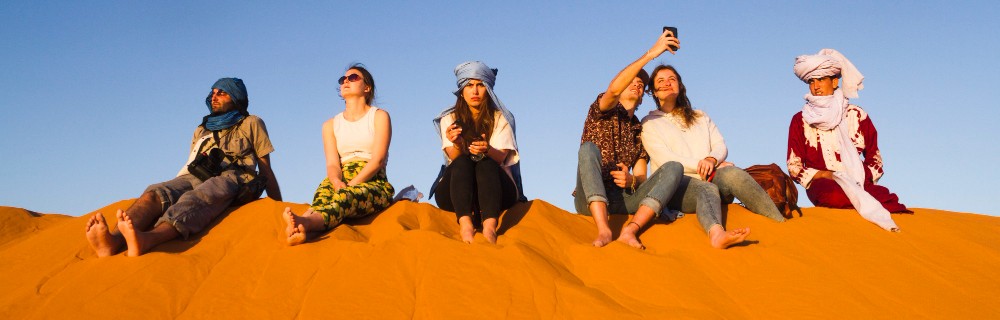
Desert tourism in Oman is gaining momentum as young off-road enthusiasts and adventure groups promote responsible travel, safety awareness, and environmental stewardship across the country's vast desert landscapes. What began as a recreational hobby has evolved into an organised ecosystem that supports domestic tourism, volunteerism, local businesses, and conservation efforts while showcasing Oman's unique natural heritage.
Youth-led desert adventure groups are placing greater emphasis on vehicle preparedness, technical training, and strict safety protocols before every expedition. Participants conduct comprehensive vehicle inspections, carry essential recovery equipment, and follow structured convoy procedures to minimise risks in remote desert environments.
New members also receive training in safe driving techniques, navigation, and emergency response, helping improve overall safety standards within the growing adventure tourism community.
Beyond adventure, these initiatives are encouraging environmentally responsible tourism by promoting waste management, protecting fragile desert ecosystems, and supporting volunteer rescue operations. Local workshops, equipment suppliers, tour operators, and hospitality businesses have also benefited from the growing popularity of organised desert experiences, creating new economic opportunities for surrounding communities.
As Oman continues to diversify its tourism sector, youth-led desert tourism is emerging as a model for balancing adventure, environmental responsibility, and community development. By combining technical expertise with sustainable practices, these initiatives are helping position Oman as a leading destination for safe and eco-conscious adventure tourism.
Youth-led sustainable tourism is quietly building the operator base that international sustainable-travel certification and disclosure frameworks depend on, which affects hospitality, transport and adventure operators. Our impact-assessment and nature-based-solutions teams help clients evaluate sustainable-tourism positioning and impact-linked disclosure.

• 𝘛𝘩𝘦 𝘜𝘈𝘌 𝘍𝘰𝘰𝘥 𝘉𝘢𝘯𝘬 𝘢𝘯𝘥 𝘋𝘶𝘣𝘢𝘪’𝘴 𝘊𝘰𝘮𝘮𝘶𝘯𝘪𝘵𝘺 𝘋𝘦𝘷𝘦𝘭𝘰𝘱𝘮𝘦𝘯𝘵 𝘈𝘶𝘵𝘩𝘰𝘳𝘪𝘵𝘺 (𝘊𝘋𝘈) 𝘩𝘢𝘷𝘦 𝘴𝘪𝘨𝘯𝘦𝘥 𝘢𝘯 𝘢𝘨𝘳𝘦𝘦𝘮𝘦𝘯𝘵 𝘵𝘰 𝘤𝘰𝘭𝘭𝘦𝘤𝘵 𝘢𝘯𝘥 𝘳𝘦𝘥𝘪𝘴𝘵𝘳𝘪𝘣𝘶𝘵𝘦 𝘴𝘶𝘳𝘱𝘭𝘶𝘴 𝘧𝘰𝘰𝘥 𝘧𝘳𝘰𝘮 𝘸𝘦𝘥𝘥𝘪𝘯𝘨𝘴 𝘢𝘯𝘥 𝘦𝘷𝘦𝘯𝘵𝘴. • 𝘛𝘩𝘦 𝘪𝘯𝘪𝘵𝘪𝘢𝘵𝘪𝘷𝘦 𝘸𝘪𝘭𝘭 𝘧𝘰𝘭𝘭𝘰𝘸 𝘢𝘱𝘱𝘳𝘰𝘷𝘦𝘥…

<ul><li><i>India’s rooftop solar capacity reached 30.7 GW in July 2026, increasing the need for better grid management and flexibility.</i></li><li><i>Kerala and Maharashtra are exploring battery ener…

• 𝘛𝘩𝘦 𝘌𝘐𝘉 𝘎𝘳𝘰𝘶𝘱 𝘱𝘭𝘢𝘯𝘴 𝘵𝘰 𝘱𝘳𝘰𝘷𝘪𝘥𝘦 𝘢𝘵 𝘭𝘦𝘢𝘴𝘵 €30 𝘣𝘪𝘭𝘭𝘪𝘰𝘯 𝘧𝘰𝘳 𝘤𝘭𝘪𝘮𝘢𝘵𝘦 𝘢𝘥𝘢𝘱𝘵𝘢𝘵𝘪𝘰𝘯 𝘣𝘦𝘵𝘸𝘦𝘦𝘯 2026 𝘢𝘯𝘥 2030. • 𝘛𝘩𝘦 𝘯𝘦𝘸 𝘵𝘢𝘳𝘨𝘦𝘵 𝘥𝘰𝘶𝘣𝘭𝘦𝘴 𝘢𝘥𝘢𝘱𝘵𝘢𝘵𝘪𝘰𝘯 𝘧𝘪𝘯𝘢𝘯𝘤𝘪𝘯𝘨 𝘤𝘰𝘮𝘱𝘢𝘳𝘦𝘥 𝘸𝘪𝘵𝘩 𝘵𝘩𝘦 𝘱𝘳𝘦𝘷𝘪𝘰𝘶𝘴 𝘧𝘪𝘷𝘦-𝘺𝘦𝘢𝘳 𝘱𝘦𝘳𝘪𝘰𝘥. • 𝘍𝘶𝘯𝘥𝘪𝘯𝘨…