


22 September 2025
Oman’s Financial Services Authority (FSA) has announced that all private sector institutions applying the IFRS accounting framework must fully adopt the IFRS sustainability disclosure standards (IFRS S1 and S2) by 2029. The phased rollout aims to strengthen transparency, enhance sustainability practices, and align Oman’s financial sector with global reporting standards.
Issued by the International Sustainability Standards Board (ISSB) in 2023, IFRS S1 covers general sustainability disclosures, while IFRS S2 focuses on climate-related risks and opportunities. Together, they provide consistent, comparable ESG reporting to help investors assess companies’ environmental and social performance.
The FSA will collaborate with key entities, including the Oman Investment Authority, Environment Authority, and Oman Net Zero Centre, to ensure effective implementation. It also plans to launch awareness and capacity-building programs to prepare the market for compliance.
This initiative supports Oman Vision 2040 and the country’s net-zero transition strategy, reinforcing Oman’s commitment to sustainable finance and responsible corporate governance in line with international standards.
Oman's move to mandate IFRS S1 and S2 adoption by 2029 puts the country among the more assertive Middle Eastern jurisdictions on sustainability disclosure convergence. Full private-sector adoption of ISSB standards - combined with the coordinating role of the FSA, Oman Investment Authority, Environment Authority and Oman Net Zero Centre - creates the regulatory architecture for consistent, comparable ESG reporting across the country's corporate landscape.
The 2029 timeline provides a realistic runway for capacity-building, particularly for entities that have historically reported under lighter sustainability disclosure requirements. The FSA's stated intent to launch awareness and capacity-building programmes is important: successful implementation depends as much on assurance-ready internal processes and data systems as on the disclosure standards themselves.
For companies operating in Oman and across the wider Gulf, Cognitud's ESG strategy and transformation, responsible investment and impact assessment teams help clients build ISSB-ready disclosure capability, structure double-materiality assessments aligned with ESRS methodology where cross-border applicability exists, and prepare the internal governance, data and assurance arrangements that give investors and lenders confidence in the disclosures once mandatory reporting begins.

• 𝘛𝘩𝘦 𝘜𝘈𝘌 𝘍𝘰𝘰𝘥 𝘉𝘢𝘯𝘬 𝘢𝘯𝘥 𝘋𝘶𝘣𝘢𝘪’𝘴 𝘊𝘰𝘮𝘮𝘶𝘯𝘪𝘵𝘺 𝘋𝘦𝘷𝘦𝘭𝘰𝘱𝘮𝘦𝘯𝘵 𝘈𝘶𝘵𝘩𝘰𝘳𝘪𝘵𝘺 (𝘊𝘋𝘈) 𝘩𝘢𝘷𝘦 𝘴𝘪𝘨𝘯𝘦𝘥 𝘢𝘯 𝘢𝘨𝘳𝘦𝘦𝘮𝘦𝘯𝘵 𝘵𝘰 𝘤𝘰𝘭𝘭𝘦𝘤𝘵 𝘢𝘯𝘥 𝘳𝘦𝘥𝘪𝘴𝘵𝘳𝘪𝘣𝘶𝘵𝘦 𝘴𝘶𝘳𝘱𝘭𝘶𝘴 𝘧𝘰𝘰𝘥 𝘧𝘳𝘰𝘮 𝘸𝘦𝘥𝘥𝘪𝘯𝘨𝘴 𝘢𝘯𝘥 𝘦𝘷𝘦𝘯𝘵𝘴. • 𝘛𝘩𝘦 𝘪𝘯𝘪𝘵𝘪𝘢𝘵𝘪𝘷𝘦 𝘸𝘪𝘭𝘭 𝘧𝘰𝘭𝘭𝘰𝘸 𝘢𝘱𝘱𝘳𝘰𝘷𝘦𝘥…
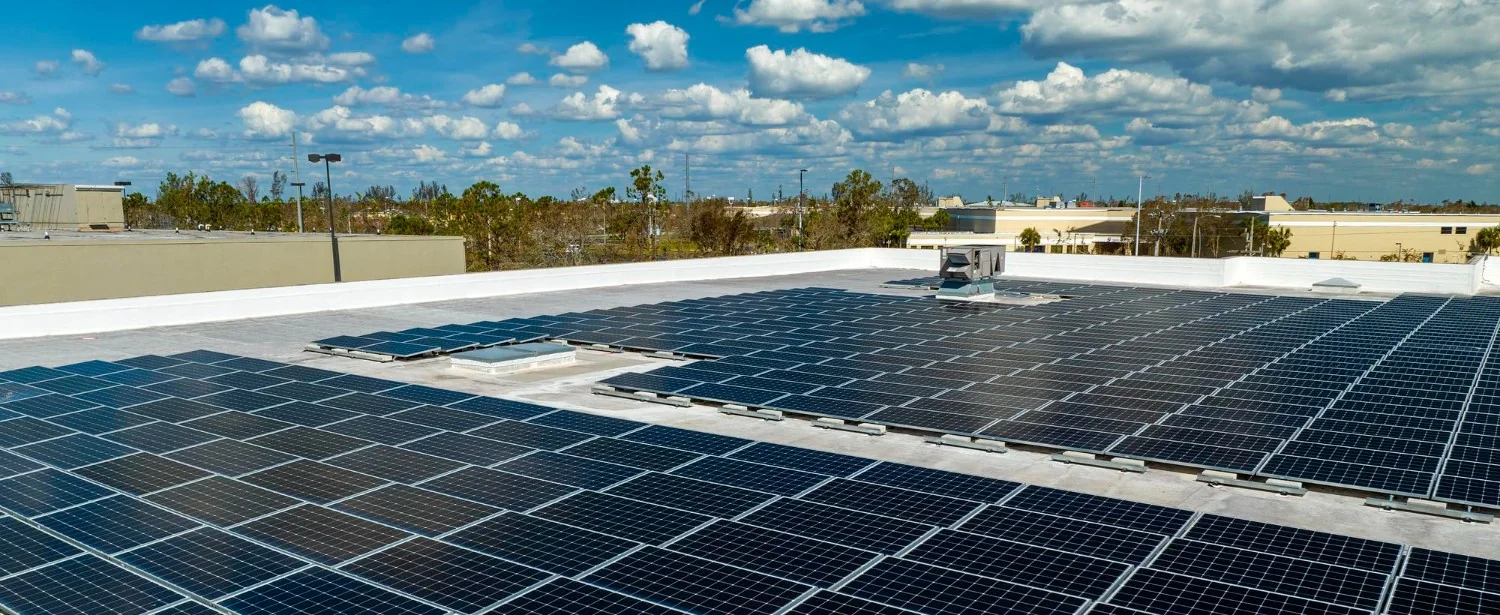
<ul><li><i>India’s rooftop solar capacity reached 30.7 GW in July 2026, increasing the need for better grid management and flexibility.</i></li><li><i>Kerala and Maharashtra are exploring battery ener…

• 𝘛𝘩𝘦 𝘌𝘐𝘉 𝘎𝘳𝘰𝘶𝘱 𝘱𝘭𝘢𝘯𝘴 𝘵𝘰 𝘱𝘳𝘰𝘷𝘪𝘥𝘦 𝘢𝘵 𝘭𝘦𝘢𝘴𝘵 €30 𝘣𝘪𝘭𝘭𝘪𝘰𝘯 𝘧𝘰𝘳 𝘤𝘭𝘪𝘮𝘢𝘵𝘦 𝘢𝘥𝘢𝘱𝘵𝘢𝘵𝘪𝘰𝘯 𝘣𝘦𝘵𝘸𝘦𝘦𝘯 2026 𝘢𝘯𝘥 2030. • 𝘛𝘩𝘦 𝘯𝘦𝘸 𝘵𝘢𝘳𝘨𝘦𝘵 𝘥𝘰𝘶𝘣𝘭𝘦𝘴 𝘢𝘥𝘢𝘱𝘵𝘢𝘵𝘪𝘰𝘯 𝘧𝘪𝘯𝘢𝘯𝘤𝘪𝘯𝘨 𝘤𝘰𝘮𝘱𝘢𝘳𝘦𝘥 𝘸𝘪𝘵𝘩 𝘵𝘩𝘦 𝘱𝘳𝘦𝘷𝘪𝘰𝘶𝘴 𝘧𝘪𝘷𝘦-𝘺𝘦𝘢𝘳 𝘱𝘦𝘳𝘪𝘰𝘥. • 𝘍𝘶𝘯𝘥𝘪𝘯𝘨…