

25 May 2026
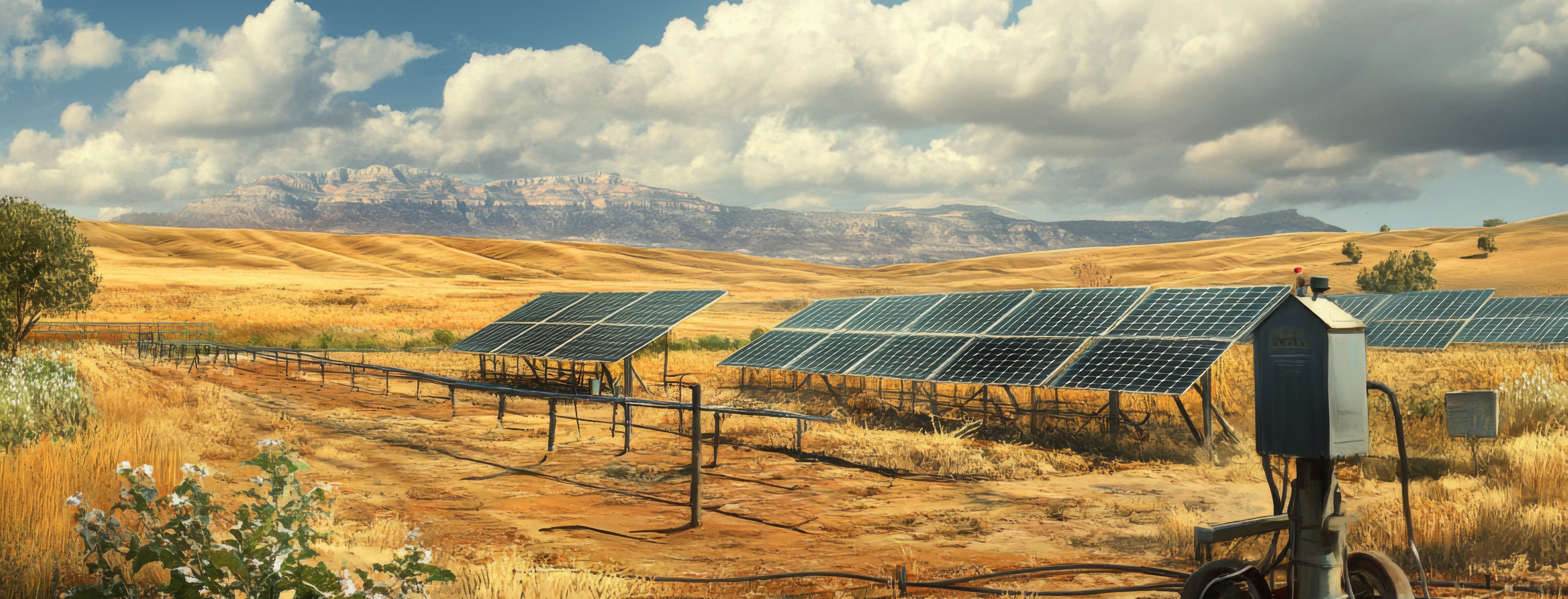
Farmers and agricultural investors across Oman are increasingly adopting solar energy systems to reduce operating costs, improve efficiency and support long-term sustainability across the country’s food production sector. The shift is being encouraged as part of wider efforts to strengthen resource efficiency and food security while reducing dependence on conventional energy sources.
According to Oman’s Ministry of Agriculture, Fisheries and Water Resources, solar energy is being integrated into agricultural, livestock and fisheries projects to power irrigation pumps, cooling systems, crop drying units and water management infrastructure. Officials said the transition is helping producers improve operational continuity while lowering energy expenses.
Eng Mohsen bin Mohammed Al Mufarji, renewable energy engineer at the ministry, said solar power is increasingly becoming a practical economic solution rather than only an environmental choice. One of the examples highlighted is the photovoltaic project developed by A’Saffa Foods at its farm in Thumrait, which operates with a generation capacity of 7MW and is expected to reduce carbon dioxide emissions by around 6,250 tonnes annually.
Farmers adopting the technology have reported significant savings. Agricultural operators said solar installations are helping lower electricity costs while improving project viability and enabling more sustainable production models. The transition aligns with Oman’s broader goals of expanding renewable energy use and strengthening domestic food resilience.
Farmer-level solar adoption is a leading indicator of how quickly distributed clean energy is scaling beyond utility-scale projects, and it's where financing, EPR-style circularity for panels and community engagement models get tested. Our energy-transition and responsible-investment teams help clients evaluate distributed-solar opportunities including agri-solar hybrids and rural financing structures.

• 𝘛𝘩𝘦 𝘜𝘈𝘌 𝘍𝘰𝘰𝘥 𝘉𝘢𝘯𝘬 𝘢𝘯𝘥 𝘋𝘶𝘣𝘢𝘪’𝘴 𝘊𝘰𝘮𝘮𝘶𝘯𝘪𝘵𝘺 𝘋𝘦𝘷𝘦𝘭𝘰𝘱𝘮𝘦𝘯𝘵 𝘈𝘶𝘵𝘩𝘰𝘳𝘪𝘵𝘺 (𝘊𝘋𝘈) 𝘩𝘢𝘷𝘦 𝘴𝘪𝘨𝘯𝘦𝘥 𝘢𝘯 𝘢𝘨𝘳𝘦𝘦𝘮𝘦𝘯𝘵 𝘵𝘰 𝘤𝘰𝘭𝘭𝘦𝘤𝘵 𝘢𝘯𝘥 𝘳𝘦𝘥𝘪𝘴𝘵𝘳𝘪𝘣𝘶𝘵𝘦 𝘴𝘶𝘳𝘱𝘭𝘶𝘴 𝘧𝘰𝘰𝘥 𝘧𝘳𝘰𝘮 𝘸𝘦𝘥𝘥𝘪𝘯𝘨𝘴 𝘢𝘯𝘥 𝘦𝘷𝘦𝘯𝘵𝘴. • 𝘛𝘩𝘦 𝘪𝘯𝘪𝘵𝘪𝘢𝘵𝘪𝘷𝘦 𝘸𝘪𝘭𝘭 𝘧𝘰𝘭𝘭𝘰𝘸 𝘢𝘱𝘱𝘳𝘰𝘷𝘦𝘥…

<ul><li><i>India’s rooftop solar capacity reached 30.7 GW in July 2026, increasing the need for better grid management and flexibility.</i></li><li><i>Kerala and Maharashtra are exploring battery ener…

• 𝘛𝘩𝘦 𝘌𝘐𝘉 𝘎𝘳𝘰𝘶𝘱 𝘱𝘭𝘢𝘯𝘴 𝘵𝘰 𝘱𝘳𝘰𝘷𝘪𝘥𝘦 𝘢𝘵 𝘭𝘦𝘢𝘴𝘵 €30 𝘣𝘪𝘭𝘭𝘪𝘰𝘯 𝘧𝘰𝘳 𝘤𝘭𝘪𝘮𝘢𝘵𝘦 𝘢𝘥𝘢𝘱𝘵𝘢𝘵𝘪𝘰𝘯 𝘣𝘦𝘵𝘸𝘦𝘦𝘯 2026 𝘢𝘯𝘥 2030. • 𝘛𝘩𝘦 𝘯𝘦𝘸 𝘵𝘢𝘳𝘨𝘦𝘵 𝘥𝘰𝘶𝘣𝘭𝘦𝘴 𝘢𝘥𝘢𝘱𝘵𝘢𝘵𝘪𝘰𝘯 𝘧𝘪𝘯𝘢𝘯𝘤𝘪𝘯𝘨 𝘤𝘰𝘮𝘱𝘢𝘳𝘦𝘥 𝘸𝘪𝘵𝘩 𝘵𝘩𝘦 𝘱𝘳𝘦𝘷𝘪𝘰𝘶𝘴 𝘧𝘪𝘷𝘦-𝘺𝘦𝘢𝘳 𝘱𝘦𝘳𝘪𝘰𝘥. • 𝘍𝘶𝘯𝘥𝘪𝘯𝘨…