

05 August 2026
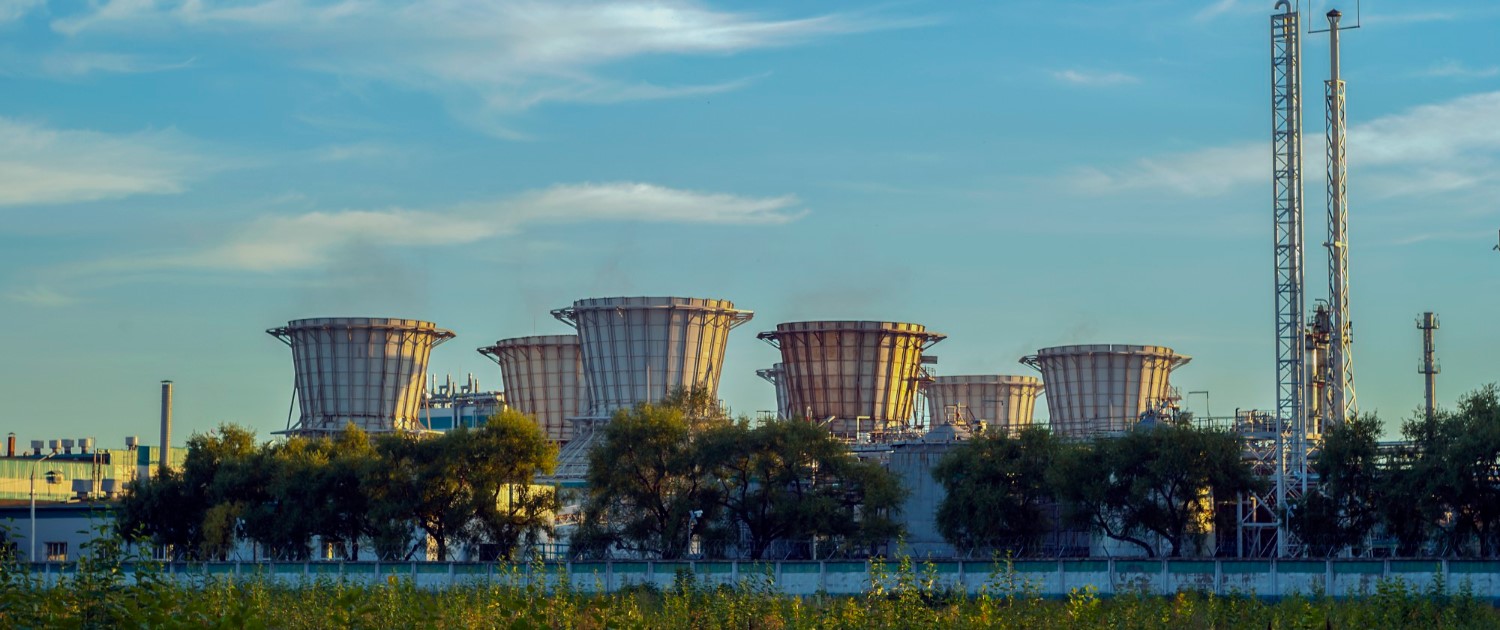
Oman is strengthening its position as a regional hub for sustainable industrial development by expanding specialized industrial clusters that support clean energy, advanced manufacturing, and economic diversification. The initiative aligns with the country's long-term vision to build a resilient, low-carbon economy while attracting domestic and international investment into future-focused industries.
The industrial clusters are being developed across key economic zones and free zones to create integrated ecosystems where businesses can benefit from shared infrastructure, logistics, and supply chain networks. This cluster-based approach is expected to improve operational efficiency, encourage innovation, and enhance the competitiveness of Oman's industrial sector.
A major focus of the strategy is the growth of green industries, including green hydrogen, green ammonia, renewable energy equipment manufacturing, and green steel production. These sectors are expected to play a vital role in supporting the country's energy transition while creating new opportunities for sustainable industrial investment and exports.
The initiative also supports Oman's broader economic diversification goals by reducing reliance on conventional oil revenues and fostering industries with long-term environmental and economic value. By integrating clean energy solutions into industrial development, Oman aims to strengthen its manufacturing base while contributing to national climate and sustainability objectives.
Government-backed industrial planning, combined with strategic infrastructure development and investor-friendly policies, is expected to attract high-value projects and strengthen Oman's role in regional and global sustainable supply chains. As demand for low-carbon products and clean technologies continues to grow, the country's industrial cluster strategy positions Oman as an emerging destination for sustainable manufacturing and green industrial innovation.
Sustainable industrial clusters are where Gulf industrial policy meets renewable-integration and circular-economy delivery, and they open co-location and infrastructure-sharing opportunities. Our impact-assessment and energy-transition teams help clients evaluate what these clusters mean for capex, disclosure and community-partnership positioning.
• 𝘛𝘩𝘦 𝘜𝘚 𝘌𝘗𝘈 𝘱𝘳𝘰𝘱𝘰𝘴𝘦𝘴 𝘳𝘦𝘢𝘭𝘭𝘰𝘤𝘢𝘵𝘪𝘯𝘨 100% 𝘰𝘧 𝘸𝘢𝘪𝘷𝘦𝘥 𝘣𝘪𝘰𝘧𝘶𝘦𝘭 𝘰𝘣𝘭𝘪𝘨𝘢𝘵𝘪𝘰𝘯𝘴 𝘵𝘰 𝘭𝘢𝘳𝘨𝘦𝘳 𝘳𝘦𝘧𝘪𝘯𝘦𝘳𝘴 𝘰𝘷𝘦𝘳 𝘧𝘶𝘵𝘶𝘳𝘦 𝘤𝘰𝘮𝘱𝘭𝘪𝘢𝘯𝘤𝘦 𝘺𝘦𝘢𝘳𝘴. • 𝘛𝘩𝘦 𝘱𝘳𝘰𝘱𝘰𝘴𝘢𝘭 𝘧𝘰𝘭𝘭𝘰𝘸𝘴 𝘦𝘹𝘦𝘮𝘱𝘵𝘪𝘰𝘯𝘴 𝘤𝘰𝘷𝘦𝘳𝘪𝘯𝘨 1.76 𝘣𝘪𝘭𝘭𝘪𝘰𝘯 𝘙𝘦𝘯𝘦𝘸𝘢𝘣𝘭𝘦 𝘐𝘥𝘦𝘯𝘵𝘪𝘧𝘪𝘤𝘢𝘵𝘪𝘰𝘯…
• 𝘛𝘩𝘦 𝘌𝘶𝘳𝘰𝘱𝘦𝘢𝘯 𝘜𝘯𝘪𝘰𝘯 𝘱𝘭𝘢𝘯𝘴 𝘵𝘰 𝘱𝘶𝘳𝘴𝘶𝘦 𝘢𝘯 𝘪𝘮𝘱𝘭𝘦𝘮𝘦𝘯𝘵𝘢𝘵𝘪𝘰𝘯-𝘧𝘰𝘤𝘶𝘴𝘦𝘥 𝘨𝘭𝘰𝘣𝘢𝘭 𝘦𝘮𝘪𝘴𝘴𝘪𝘰𝘯𝘴 𝘳𝘦𝘥𝘶𝘤𝘵𝘪𝘰𝘯 𝘢𝘨𝘳𝘦𝘦𝘮𝘦𝘯𝘵 𝘢𝘵 𝘊𝘖𝘗31 𝘪𝘯 𝘛𝘶𝘳𝘬𝘦𝘺. • 𝘛𝘩𝘦 𝘱𝘳𝘰𝘱𝘰𝘴𝘢𝘭 𝘴𝘦𝘦𝘬𝘴 𝘵𝘰 𝘦𝘹𝘵𝘦𝘯𝘥 𝘵𝘩𝘦 𝘜𝘯𝘪𝘵𝘦𝘥 𝘕𝘢𝘵𝘪𝘰𝘯𝘴’ 𝘮𝘪𝘵𝘪𝘨𝘢𝘵𝘪𝘰𝘯 𝘸𝘰𝘳𝘬 𝘱𝘳𝘰𝘨𝘳𝘢𝘮𝘮𝘦 𝘶𝘯𝘵…
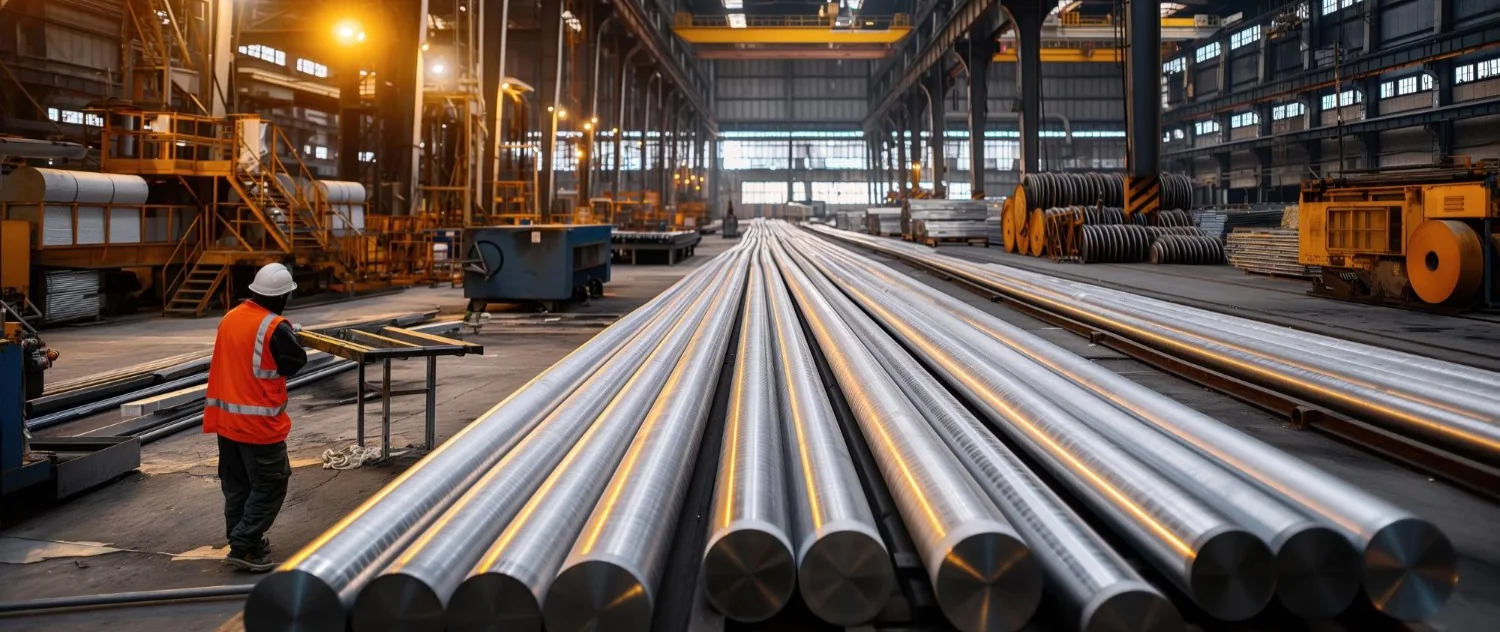
<ul><li><i>India’s draft National Steel Policy – Vision 2047 targets increasing steelmaking capacity from approximately 220 million tonnes to 604 million tonnes by 2047.</i></li><li><i>The proposal ai…