

.jpg)
11 September 2025
New York City is transforming millions of pounds of food scraps and yard waste into nutrient-rich compost, dubbed “black gold,” as part of its growing organics program.
At the Staten Island Compost Facility, managed by Denali Water Solutions, the city processes 100 to 250 tons of organic waste daily, depending on the season. The material is shredded and placed into aerated piles that heat above 100°F, killing pathogens before microbes and insects break it down. The end product is used to improve soil health, manage stormwater, and support parks and gardens across the city.
According to the Department of Sanitation, nearly 6 million pounds of compost have been distributed free to residents, schools, and community gardens this year, with additional quantities sold to landscapers.
Food and yard waste are the largest share of U.S. household trash, and when landfilled, they release methane, a potent greenhouse gas. Officials say composting helps cut emissions while providing environmental benefits.
The city’s organics collection program, which requires residents to separate food scraps, is expected to resume full enforcement in 2026.
Food waste is the largest single share of US household trash and the source of significant landfill methane emissions - a particularly potent greenhouse gas. NYC's composting programme addresses both the emissions and the material-recovery challenge: 100–250 tons per day converted into soil amendment displaces synthetic fertiliser demand while directly reducing landfill methane generation.
Enforcement matters for scale. Voluntary composting programmes typically achieve modest participation; mandatory separation with meaningful enforcement can shift material-flow patterns substantially. The 6 million pounds of compost distributed free to residents, schools and community gardens creates the visible community benefit that sustains public support for the enforcement infrastructure - and provides tangible soil-health benefit across the city's urban agriculture.
For food-service companies, waste-management operators, retailers, and municipalities designing organics programmes, Cognitud's circular economy, impact assessment and climate action teams help clients evaluate food-waste-diversion opportunities, structure supplier and customer engagement programmes, and prepare disclosures aligned with SDG 12, CDP Waste and ISSB frameworks that increasingly require quantified food-waste and material-recovery performance across the food value chain.
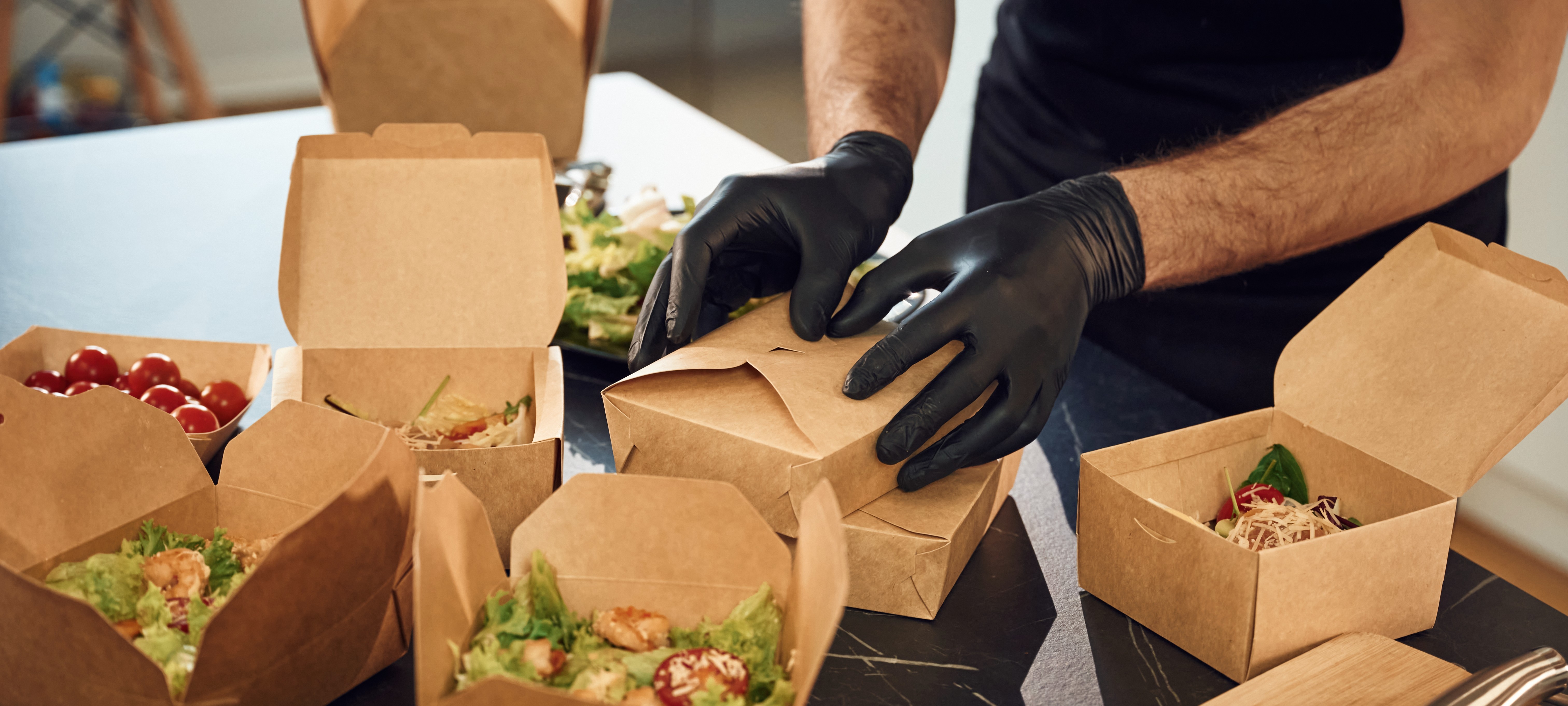
• 𝘛𝘩𝘦 𝘜𝘈𝘌 𝘍𝘰𝘰𝘥 𝘉𝘢𝘯𝘬 𝘢𝘯𝘥 𝘋𝘶𝘣𝘢𝘪’𝘴 𝘊𝘰𝘮𝘮𝘶𝘯𝘪𝘵𝘺 𝘋𝘦𝘷𝘦𝘭𝘰𝘱𝘮𝘦𝘯𝘵 𝘈𝘶𝘵𝘩𝘰𝘳𝘪𝘵𝘺 (𝘊𝘋𝘈) 𝘩𝘢𝘷𝘦 𝘴𝘪𝘨𝘯𝘦𝘥 𝘢𝘯 𝘢𝘨𝘳𝘦𝘦𝘮𝘦𝘯𝘵 𝘵𝘰 𝘤𝘰𝘭𝘭𝘦𝘤𝘵 𝘢𝘯𝘥 𝘳𝘦𝘥𝘪𝘴𝘵𝘳𝘪𝘣𝘶𝘵𝘦 𝘴𝘶𝘳𝘱𝘭𝘶𝘴 𝘧𝘰𝘰𝘥 𝘧𝘳𝘰𝘮 𝘸𝘦𝘥𝘥𝘪𝘯𝘨𝘴 𝘢𝘯𝘥 𝘦𝘷𝘦𝘯𝘵𝘴. • 𝘛𝘩𝘦 𝘪𝘯𝘪𝘵𝘪𝘢𝘵𝘪𝘷𝘦 𝘸𝘪𝘭𝘭 𝘧𝘰𝘭𝘭𝘰𝘸 𝘢𝘱𝘱𝘳𝘰𝘷𝘦𝘥…
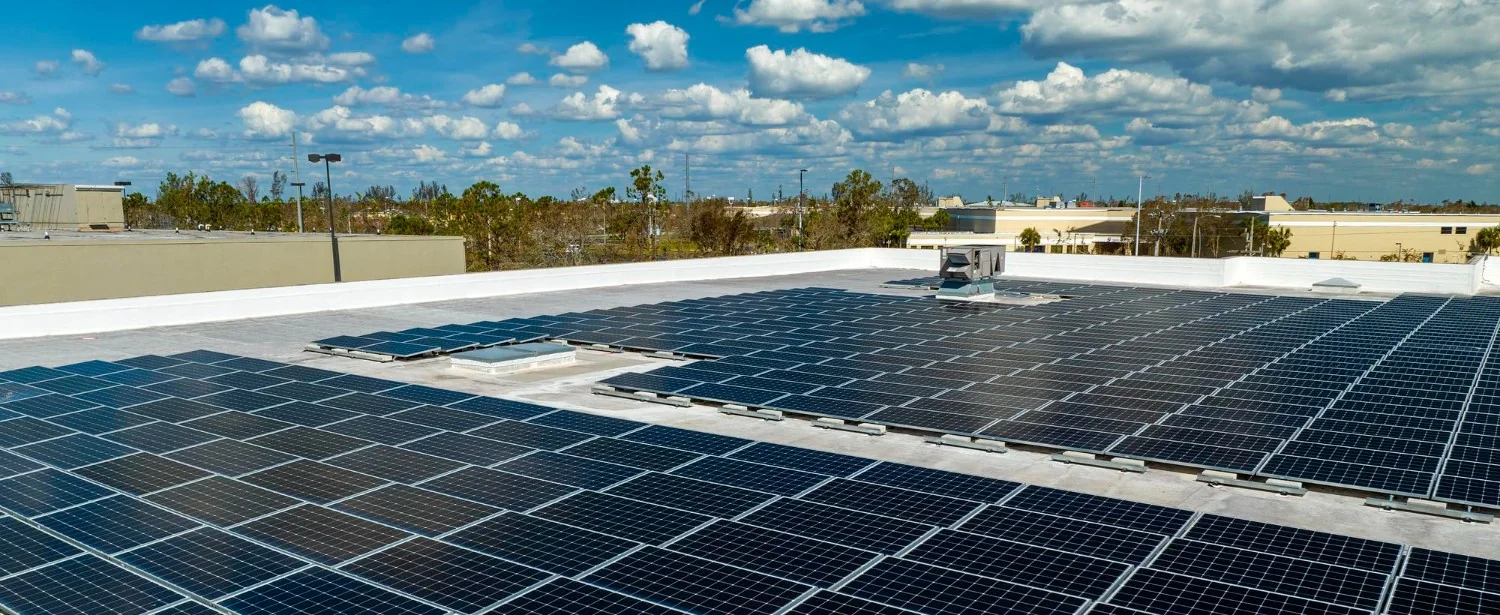
<ul><li><i>India’s rooftop solar capacity reached 30.7 GW in July 2026, increasing the need for better grid management and flexibility.</i></li><li><i>Kerala and Maharashtra are exploring battery ener…
• 𝘛𝘩𝘦 𝘌𝘐𝘉 𝘎𝘳𝘰𝘶𝘱 𝘱𝘭𝘢𝘯𝘴 𝘵𝘰 𝘱𝘳𝘰𝘷𝘪𝘥𝘦 𝘢𝘵 𝘭𝘦𝘢𝘴𝘵 €30 𝘣𝘪𝘭𝘭𝘪𝘰𝘯 𝘧𝘰𝘳 𝘤𝘭𝘪𝘮𝘢𝘵𝘦 𝘢𝘥𝘢𝘱𝘵𝘢𝘵𝘪𝘰𝘯 𝘣𝘦𝘵𝘸𝘦𝘦𝘯 2026 𝘢𝘯𝘥 2030. • 𝘛𝘩𝘦 𝘯𝘦𝘸 𝘵𝘢𝘳𝘨𝘦𝘵 𝘥𝘰𝘶𝘣𝘭𝘦𝘴 𝘢𝘥𝘢𝘱𝘵𝘢𝘵𝘪𝘰𝘯 𝘧𝘪𝘯𝘢𝘯𝘤𝘪𝘯𝘨 𝘤𝘰𝘮𝘱𝘢𝘳𝘦𝘥 𝘸𝘪𝘵𝘩 𝘵𝘩𝘦 𝘱𝘳𝘦𝘷𝘪𝘰𝘶𝘴 𝘧𝘪𝘷𝘦-𝘺𝘦𝘢𝘳 𝘱𝘦𝘳𝘪𝘰𝘥. • 𝘍𝘶𝘯𝘥𝘪𝘯𝘨…