

10 August 2026
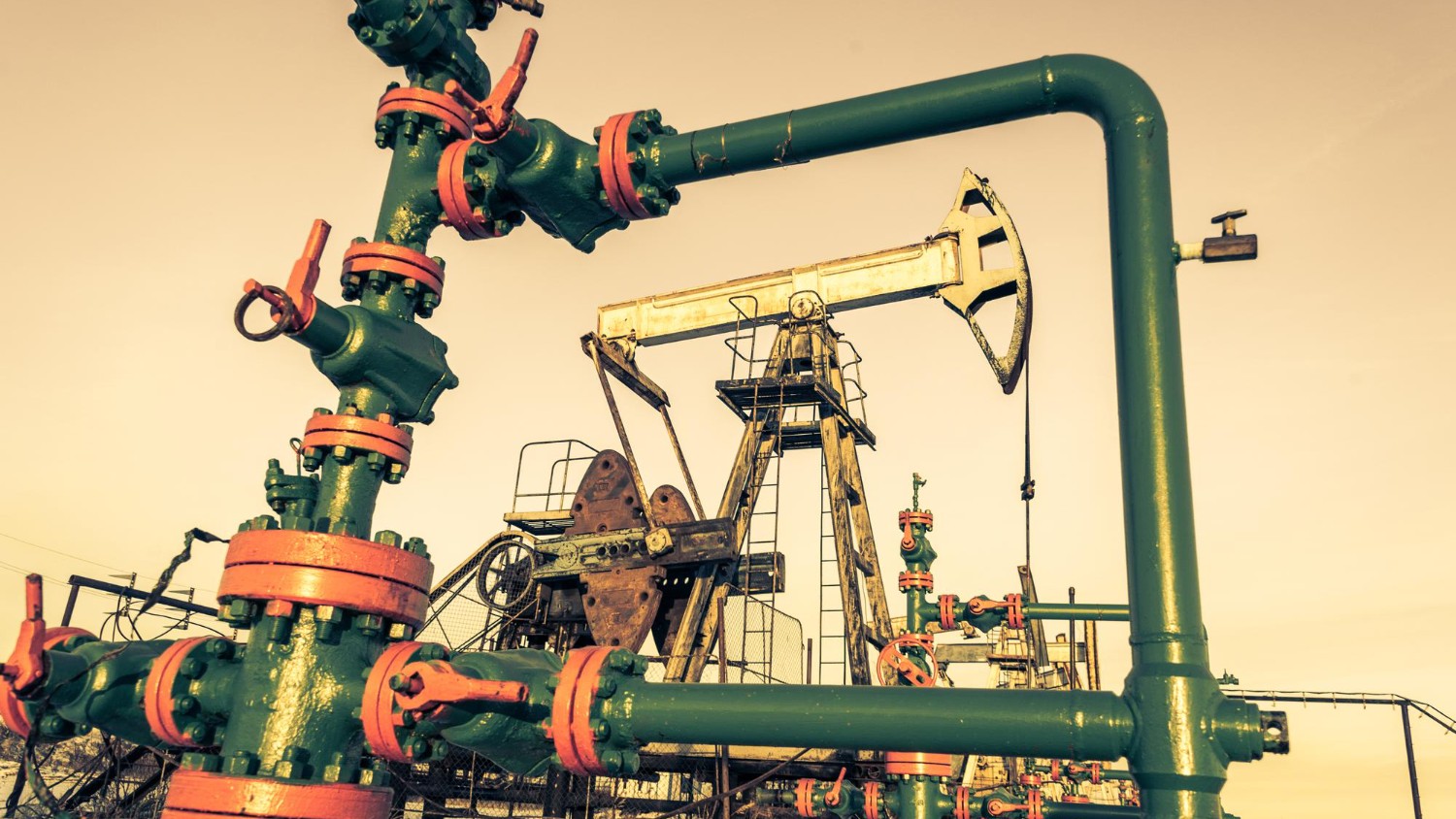
Mexico has taken a cautious step on hydraulic fracturing, with an expert committee recommending a ban on fracking in the Tampico-Misantla basin while allowing tightly controlled studies in other areas. The recommendations, delivered on August 6, could shape Mexico’s approach to domestic gas production as the country seeks to reduce its dependence on U.S. imports.
The committee’s 10 preliminary conclusions advise against fracking in Tampico-Misantla, citing concerns including water stress and potential environmental impacts. For other basins, any future pilot projects would face strict conditions, including the use of saltwater rather than freshwater, baseline water-quality assessments, independent scientific monitoring, environmental safeguards and consultation with affected communities.
The recommendations come as Mexico faces substantial energy-security pressures. The country imports around 75% of its natural gas, with the United States supplying most of those imports, creating an annual import bill of roughly $10 billion. Developing domestic shale resources could reduce that dependence, particularly as industrial demand for gas continues to grow.
However, the committee is also urging Mexico to accelerate renewable energy deployment and energy efficiency, potentially reducing future gas demand. Conventional gas production and further reserve assessments are expected to remain priorities while unconventional resources undergo additional scrutiny.
For investors, the outlook remains uncertain. Any future commercial fracking would likely require competitive contracts, clear environmental-liability rules and robust monitoring, but no framework has yet been established.
President Claudia Sheinbaum will now review the committee’s recommendations before deciding the next steps. For now, Mexico appears to be pursuing a dual-track energy strategy: cautious exploration of unconventional gas while accelerating cleaner alternatives.
Fracking pauses at national scale reshape energy-security narratives and open faster paths for renewable investment, which affects both O&G producer positioning and clean-energy pipeline opportunity. Our energy-transition and sustainability-due-diligence teams help clients evaluate what these policy shifts mean for capital allocation and disclosure.

• 𝘛𝘩𝘦 𝘜𝘈𝘌 𝘍𝘰𝘰𝘥 𝘉𝘢𝘯𝘬 𝘢𝘯𝘥 𝘋𝘶𝘣𝘢𝘪’𝘴 𝘊𝘰𝘮𝘮𝘶𝘯𝘪𝘵𝘺 𝘋𝘦𝘷𝘦𝘭𝘰𝘱𝘮𝘦𝘯𝘵 𝘈𝘶𝘵𝘩𝘰𝘳𝘪𝘵𝘺 (𝘊𝘋𝘈) 𝘩𝘢𝘷𝘦 𝘴𝘪𝘨𝘯𝘦𝘥 𝘢𝘯 𝘢𝘨𝘳𝘦𝘦𝘮𝘦𝘯𝘵 𝘵𝘰 𝘤𝘰𝘭𝘭𝘦𝘤𝘵 𝘢𝘯𝘥 𝘳𝘦𝘥𝘪𝘴𝘵𝘳𝘪𝘣𝘶𝘵𝘦 𝘴𝘶𝘳𝘱𝘭𝘶𝘴 𝘧𝘰𝘰𝘥 𝘧𝘳𝘰𝘮 𝘸𝘦𝘥𝘥𝘪𝘯𝘨𝘴 𝘢𝘯𝘥 𝘦𝘷𝘦𝘯𝘵𝘴. • 𝘛𝘩𝘦 𝘪𝘯𝘪𝘵𝘪𝘢𝘵𝘪𝘷𝘦 𝘸𝘪𝘭𝘭 𝘧𝘰𝘭𝘭𝘰𝘸 𝘢𝘱𝘱𝘳𝘰𝘷𝘦𝘥…
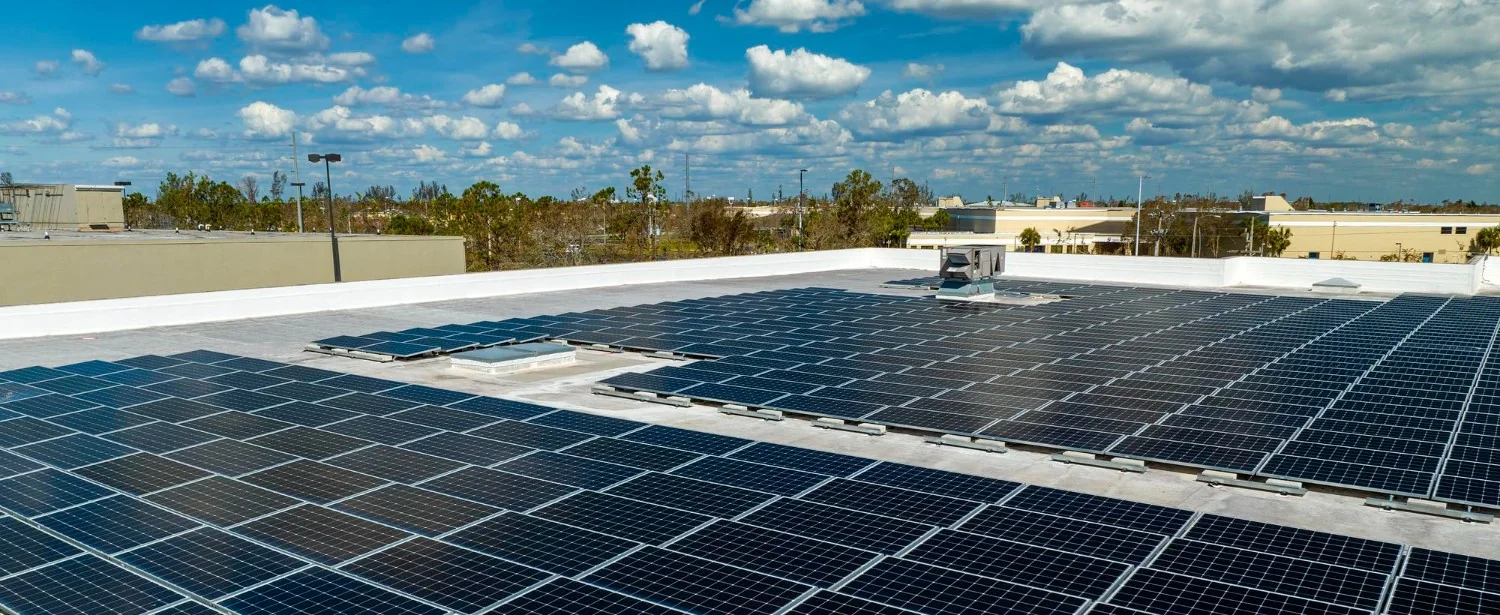
<ul><li><i>India’s rooftop solar capacity reached 30.7 GW in July 2026, increasing the need for better grid management and flexibility.</i></li><li><i>Kerala and Maharashtra are exploring battery ener…
• 𝘛𝘩𝘦 𝘌𝘐𝘉 𝘎𝘳𝘰𝘶𝘱 𝘱𝘭𝘢𝘯𝘴 𝘵𝘰 𝘱𝘳𝘰𝘷𝘪𝘥𝘦 𝘢𝘵 𝘭𝘦𝘢𝘴𝘵 €30 𝘣𝘪𝘭𝘭𝘪𝘰𝘯 𝘧𝘰𝘳 𝘤𝘭𝘪𝘮𝘢𝘵𝘦 𝘢𝘥𝘢𝘱𝘵𝘢𝘵𝘪𝘰𝘯 𝘣𝘦𝘵𝘸𝘦𝘦𝘯 2026 𝘢𝘯𝘥 2030. • 𝘛𝘩𝘦 𝘯𝘦𝘸 𝘵𝘢𝘳𝘨𝘦𝘵 𝘥𝘰𝘶𝘣𝘭𝘦𝘴 𝘢𝘥𝘢𝘱𝘵𝘢𝘵𝘪𝘰𝘯 𝘧𝘪𝘯𝘢𝘯𝘤𝘪𝘯𝘨 𝘤𝘰𝘮𝘱𝘢𝘳𝘦𝘥 𝘸𝘪𝘵𝘩 𝘵𝘩𝘦 𝘱𝘳𝘦𝘷𝘪𝘰𝘶𝘴 𝘧𝘪𝘷𝘦-𝘺𝘦𝘢𝘳 𝘱𝘦𝘳𝘪𝘰𝘥. • 𝘍𝘶𝘯𝘥𝘪𝘯𝘨…