

19 August 2025
At the International Green Build Conference (IGBC) 2025, Malaysia positioned itself as a regional leader in sustainable development, unveiling strategies to transform the built environment and accelerate the nation’s journey towards net-zero emissions. Deputy Prime Minister II, Datuk Seri Fadillah Yusof, emphasized that the conference marked a vital convergence of ideas and solutions shaping a low-carbon and climate-resilient future.
A major highlight was the Energy Efficiency and Conservation Act (EECA) 2024, which had established a comprehensive framework for efficient energy use across all sectors.
Fadillah announced that the government would soon roll out the National Energy Efficiency Action Plan 2026–2035 (NEEAP 2.0) to scale energy savings and further reduce emissions nationwide.
Complementing these efforts, the GreenRE Energy Certificate was showcased as a tool to advance measurable carbon tracking, benchmarking, and renewable integration in the construction sector.
The built environment was recognized as central to Malaysia’s net-zero strategy. With more than 400 million square feet of certified green building space across 800 projects, Malaysia had already emerged as a hub for sustainable construction. Fadillah underscored the importance of partnerships with industry, financial institutions, and regional stakeholders to unlock investments in climate-resilient practices.
Looking ahead, Malaysia reaffirmed its target of achieving 70% renewable energy capacity by 2050 through solar, biomass, biogas, and hydrogen. PETRA also initiated a feasibility study on nuclear energy, including Small Modular Reactors (SMRs), to evaluate their potential role in complementing renewable deployment.
The conference concluded with a call for cross-border collaboration, innovation, and talent development to ensure that the nation’s built environment continues driving sustainable transformation.
Green-building requirements are increasingly the operational tool through which real-estate corporates achieve Scope 2 and embodied-carbon credibility, and Malaysian rules are catching up with international benchmarks faster than most had planned for. Our climate-action and impact-assessment teams help clients evaluate green-building positioning and disclosure alignment.

• 𝘛𝘩𝘦 𝘜𝘈𝘌 𝘍𝘰𝘰𝘥 𝘉𝘢𝘯𝘬 𝘢𝘯𝘥 𝘋𝘶𝘣𝘢𝘪’𝘴 𝘊𝘰𝘮𝘮𝘶𝘯𝘪𝘵𝘺 𝘋𝘦𝘷𝘦𝘭𝘰𝘱𝘮𝘦𝘯𝘵 𝘈𝘶𝘵𝘩𝘰𝘳𝘪𝘵𝘺 (𝘊𝘋𝘈) 𝘩𝘢𝘷𝘦 𝘴𝘪𝘨𝘯𝘦𝘥 𝘢𝘯 𝘢𝘨𝘳𝘦𝘦𝘮𝘦𝘯𝘵 𝘵𝘰 𝘤𝘰𝘭𝘭𝘦𝘤𝘵 𝘢𝘯𝘥 𝘳𝘦𝘥𝘪𝘴𝘵𝘳𝘪𝘣𝘶𝘵𝘦 𝘴𝘶𝘳𝘱𝘭𝘶𝘴 𝘧𝘰𝘰𝘥 𝘧𝘳𝘰𝘮 𝘸𝘦𝘥𝘥𝘪𝘯𝘨𝘴 𝘢𝘯𝘥 𝘦𝘷𝘦𝘯𝘵𝘴. • 𝘛𝘩𝘦 𝘪𝘯𝘪𝘵𝘪𝘢𝘵𝘪𝘷𝘦 𝘸𝘪𝘭𝘭 𝘧𝘰𝘭𝘭𝘰𝘸 𝘢𝘱𝘱𝘳𝘰𝘷𝘦𝘥…
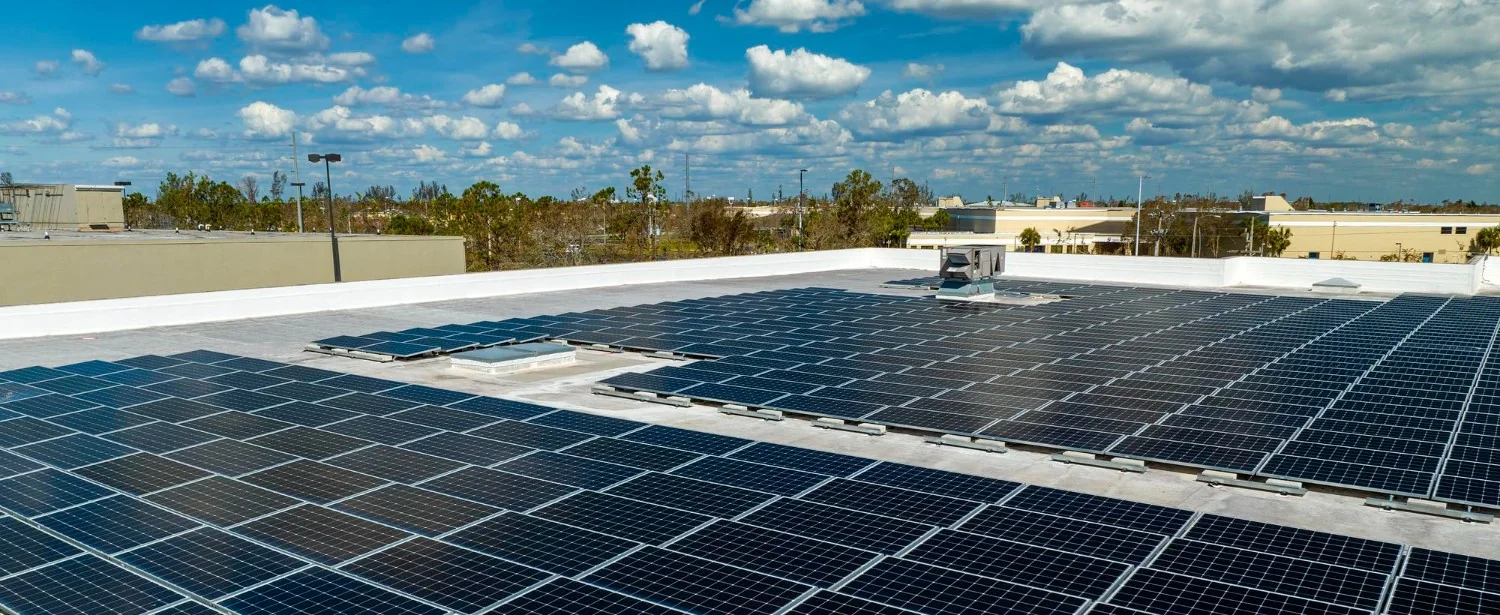
<ul><li><i>India’s rooftop solar capacity reached 30.7 GW in July 2026, increasing the need for better grid management and flexibility.</i></li><li><i>Kerala and Maharashtra are exploring battery ener…
• 𝘛𝘩𝘦 𝘌𝘐𝘉 𝘎𝘳𝘰𝘶𝘱 𝘱𝘭𝘢𝘯𝘴 𝘵𝘰 𝘱𝘳𝘰𝘷𝘪𝘥𝘦 𝘢𝘵 𝘭𝘦𝘢𝘴𝘵 €30 𝘣𝘪𝘭𝘭𝘪𝘰𝘯 𝘧𝘰𝘳 𝘤𝘭𝘪𝘮𝘢𝘵𝘦 𝘢𝘥𝘢𝘱𝘵𝘢𝘵𝘪𝘰𝘯 𝘣𝘦𝘵𝘸𝘦𝘦𝘯 2026 𝘢𝘯𝘥 2030. • 𝘛𝘩𝘦 𝘯𝘦𝘸 𝘵𝘢𝘳𝘨𝘦𝘵 𝘥𝘰𝘶𝘣𝘭𝘦𝘴 𝘢𝘥𝘢𝘱𝘵𝘢𝘵𝘪𝘰𝘯 𝘧𝘪𝘯𝘢𝘯𝘤𝘪𝘯𝘨 𝘤𝘰𝘮𝘱𝘢𝘳𝘦𝘥 𝘸𝘪𝘵𝘩 𝘵𝘩𝘦 𝘱𝘳𝘦𝘷𝘪𝘰𝘶𝘴 𝘧𝘪𝘷𝘦-𝘺𝘦𝘢𝘳 𝘱𝘦𝘳𝘪𝘰𝘥. • 𝘍𝘶𝘯𝘥𝘪𝘯𝘨…