

24 June 2026
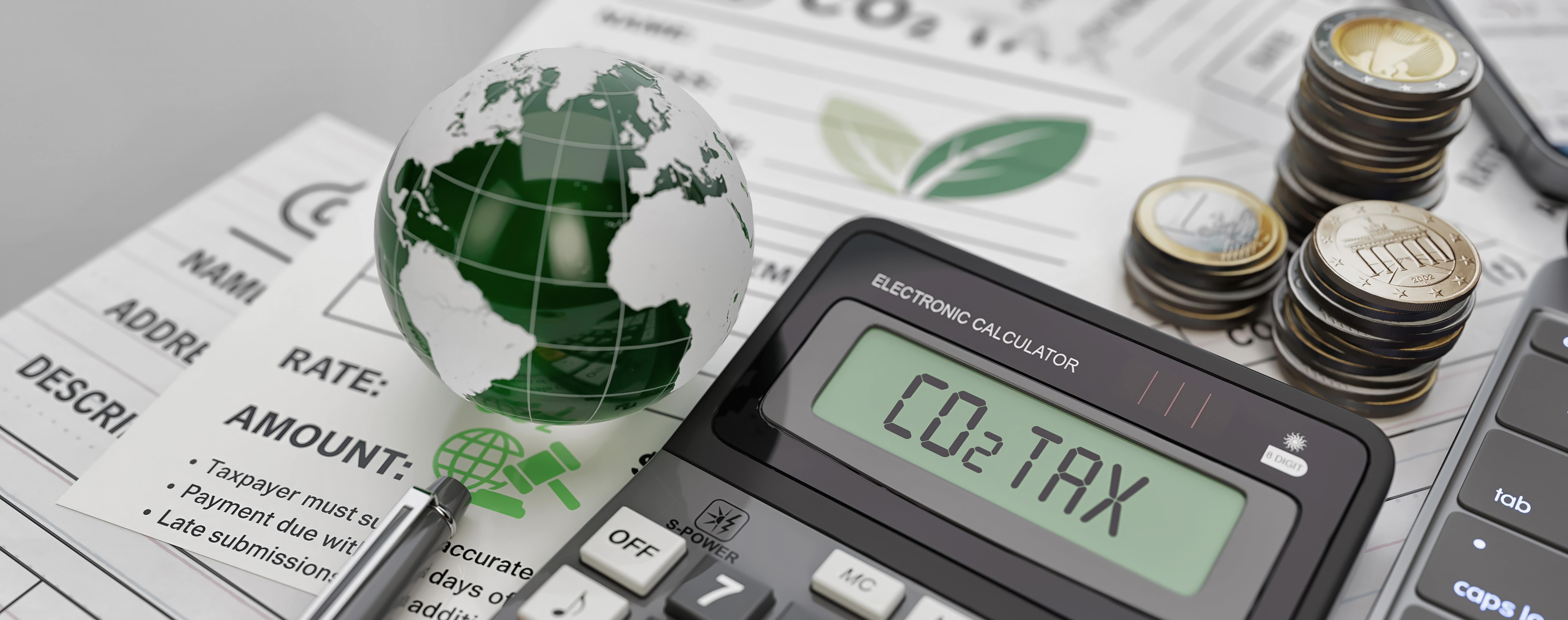
Malaysia's government has announced that its carbon tax policy is now in the final phase of formulation, marking a significant step towards the country's carbon pricing framework. Deputy Finance Minister Liew Chin Tong told Parliament that details such as the tax rate, emissions threshold and scope of coverage are still being finalised before the policy is formally introduced.
The carbon tax will initially be applied to the iron, steel and energy sectors, which are among the country's largest sources of greenhouse gas emissions. According to the government, the policy is intended to establish a price on carbon emissions and encourage decarbonisation rather than serve as a revenue-generation mechanism.
Officials said the tax will be introduced gradually to avoid placing excessive pressure on businesses, particularly small and medium-sized enterprises, amid ongoing global economic uncertainty. The government recently indicated that implementation timelines were being reviewed due to geopolitical developments and concerns over rising costs, but reaffirmed its commitment to introducing the measure.
The policy is being developed alongside Malaysia's broader climate governance framework, including the National Carbon Market Policy and the proposed National Climate Change Bill. The legislation is expected to establish monitoring, reporting and verification systems that will support carbon pricing and strengthen the country's transition towards a low-carbon economy.
Malaysia first announced plans for a carbon tax in Budget 2025 as part of efforts to align with international climate commitments and evolving trade requirements such as the European Union's Carbon Border Adjustment Mechanism (CBAM). Once implemented, the tax is expected to play a key role in supporting emissions reductions and accelerating the adoption of cleaner technologies across high-emitting industries.
Final-formulation stage for Malaysia's carbon tax means corporates should now be building carbon-price scenario plans - waiting for gazetting is too late for capex sequencing. Our climate-action and market-intelligence teams help clients build carbon-pricing scenarios that stay robust across delay and acceleration paths.

• 𝘛𝘩𝘦 𝘜𝘈𝘌 𝘍𝘰𝘰𝘥 𝘉𝘢𝘯𝘬 𝘢𝘯𝘥 𝘋𝘶𝘣𝘢𝘪’𝘴 𝘊𝘰𝘮𝘮𝘶𝘯𝘪𝘵𝘺 𝘋𝘦𝘷𝘦𝘭𝘰𝘱𝘮𝘦𝘯𝘵 𝘈𝘶𝘵𝘩𝘰𝘳𝘪𝘵𝘺 (𝘊𝘋𝘈) 𝘩𝘢𝘷𝘦 𝘴𝘪𝘨𝘯𝘦𝘥 𝘢𝘯 𝘢𝘨𝘳𝘦𝘦𝘮𝘦𝘯𝘵 𝘵𝘰 𝘤𝘰𝘭𝘭𝘦𝘤𝘵 𝘢𝘯𝘥 𝘳𝘦𝘥𝘪𝘴𝘵𝘳𝘪𝘣𝘶𝘵𝘦 𝘴𝘶𝘳𝘱𝘭𝘶𝘴 𝘧𝘰𝘰𝘥 𝘧𝘳𝘰𝘮 𝘸𝘦𝘥𝘥𝘪𝘯𝘨𝘴 𝘢𝘯𝘥 𝘦𝘷𝘦𝘯𝘵𝘴. • 𝘛𝘩𝘦 𝘪𝘯𝘪𝘵𝘪𝘢𝘵𝘪𝘷𝘦 𝘸𝘪𝘭𝘭 𝘧𝘰𝘭𝘭𝘰𝘸 𝘢𝘱𝘱𝘳𝘰𝘷𝘦𝘥…
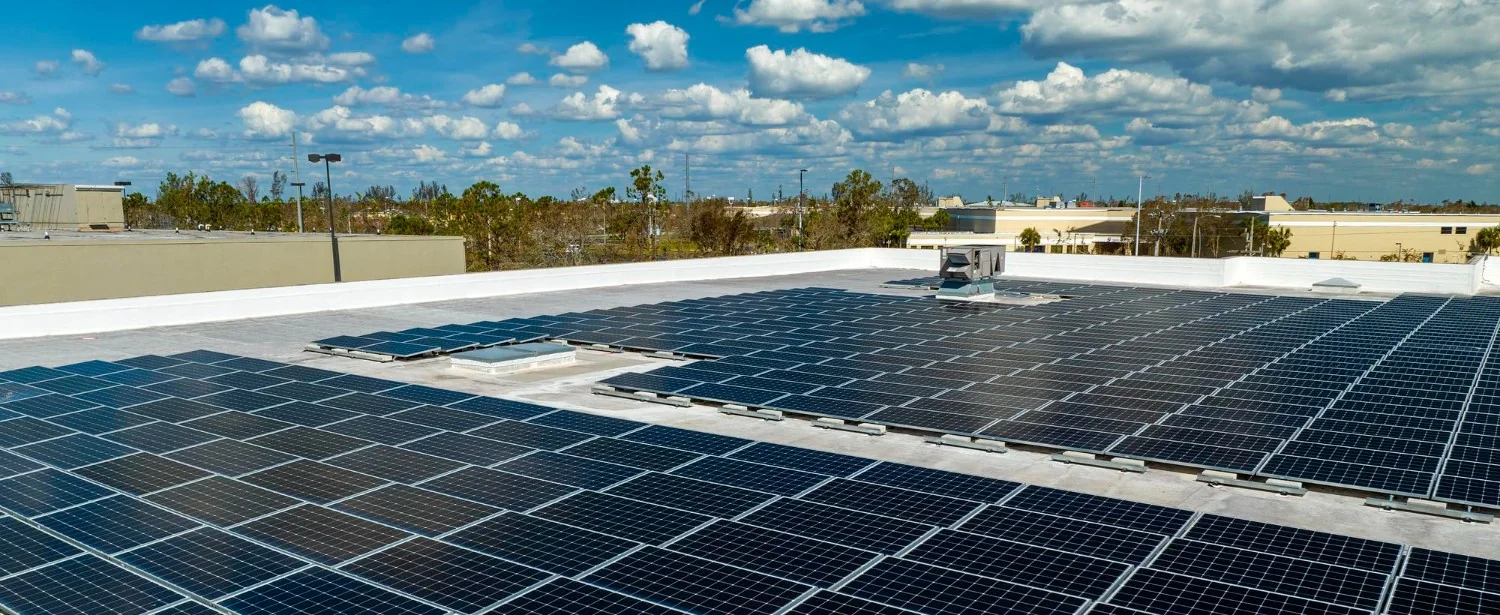
<ul><li><i>India’s rooftop solar capacity reached 30.7 GW in July 2026, increasing the need for better grid management and flexibility.</i></li><li><i>Kerala and Maharashtra are exploring battery ener…
• 𝘛𝘩𝘦 𝘌𝘐𝘉 𝘎𝘳𝘰𝘶𝘱 𝘱𝘭𝘢𝘯𝘴 𝘵𝘰 𝘱𝘳𝘰𝘷𝘪𝘥𝘦 𝘢𝘵 𝘭𝘦𝘢𝘴𝘵 €30 𝘣𝘪𝘭𝘭𝘪𝘰𝘯 𝘧𝘰𝘳 𝘤𝘭𝘪𝘮𝘢𝘵𝘦 𝘢𝘥𝘢𝘱𝘵𝘢𝘵𝘪𝘰𝘯 𝘣𝘦𝘵𝘸𝘦𝘦𝘯 2026 𝘢𝘯𝘥 2030. • 𝘛𝘩𝘦 𝘯𝘦𝘸 𝘵𝘢𝘳𝘨𝘦𝘵 𝘥𝘰𝘶𝘣𝘭𝘦𝘴 𝘢𝘥𝘢𝘱𝘵𝘢𝘵𝘪𝘰𝘯 𝘧𝘪𝘯𝘢𝘯𝘤𝘪𝘯𝘨 𝘤𝘰𝘮𝘱𝘢𝘳𝘦𝘥 𝘸𝘪𝘵𝘩 𝘵𝘩𝘦 𝘱𝘳𝘦𝘷𝘪𝘰𝘶𝘴 𝘧𝘪𝘷𝘦-𝘺𝘦𝘢𝘳 𝘱𝘦𝘳𝘪𝘰𝘥. • 𝘍𝘶𝘯𝘥𝘪𝘯𝘨…