


28 July 2026
Malaysia is moving to elevate ESG from a corporate reporting requirement to a national development strategy, with the government positioning sustainability as a driver of economic competitiveness, investment, and long-term resilience.
Speaking at the MAPAN ESG 2026 Industry and Academic Summit, Deputy Prime Minister II and Energy Transition and Water Transformation Minister Fadillah Yusof said climate change, energy transition, water security, and changing global market expectations are reshaping how countries measure economic progress. He argued that ESG should be treated as a strategic framework for strengthening businesses, attracting quality investment, and supporting sustainable growth rather than as a compliance burden.
The approach aligns with Malaysia’s broader economic and energy priorities, including the National Energy Transition Roadmap (NETR), New Industrial Master Plan 2030, National Entrepreneurship Policy 2030, and MADANI Economy framework. Fadillah also emphasized the need to bring Malaysia’s micro, small and medium enterprises-representing around 97% of businesses-into the transition, noting that ESG adoption could improve access to financing, international markets, and strategic partnerships.
The government plans to strengthen carbon markets and accelerate decarbonisation toward Malaysia’s 2050 net-zero aspiration, while ensuring the transition remains practical and does not disproportionately increase costs for businesses or households.
The National Sustainability Reporting Framework (NSRF) will further support this agenda by improving transparency, comparability, and credibility in ESG disclosures, while promoting green finance, climate reporting, supply chain integration, and circular economy practices.
Fadillah stressed that Malaysia’s ESG progress should ultimately be measured by real-world outcomes for people, businesses, and the environment, calling for collaboration across government, industry, finance, academia, civil society, and younger generations to make sustainability a national culture.
National-level ESG positioning shapes public-sector procurement, disclosure and industry incentives for years, and it defines the operating envelope for corporates locally. Our ESG-strategy and market-intelligence teams help clients align sustainability strategy with Malaysian national priorities.

• 𝘛𝘩𝘦 𝘜𝘈𝘌 𝘍𝘰𝘰𝘥 𝘉𝘢𝘯𝘬 𝘢𝘯𝘥 𝘋𝘶𝘣𝘢𝘪’𝘴 𝘊𝘰𝘮𝘮𝘶𝘯𝘪𝘵𝘺 𝘋𝘦𝘷𝘦𝘭𝘰𝘱𝘮𝘦𝘯𝘵 𝘈𝘶𝘵𝘩𝘰𝘳𝘪𝘵𝘺 (𝘊𝘋𝘈) 𝘩𝘢𝘷𝘦 𝘴𝘪𝘨𝘯𝘦𝘥 𝘢𝘯 𝘢𝘨𝘳𝘦𝘦𝘮𝘦𝘯𝘵 𝘵𝘰 𝘤𝘰𝘭𝘭𝘦𝘤𝘵 𝘢𝘯𝘥 𝘳𝘦𝘥𝘪𝘴𝘵𝘳𝘪𝘣𝘶𝘵𝘦 𝘴𝘶𝘳𝘱𝘭𝘶𝘴 𝘧𝘰𝘰𝘥 𝘧𝘳𝘰𝘮 𝘸𝘦𝘥𝘥𝘪𝘯𝘨𝘴 𝘢𝘯𝘥 𝘦𝘷𝘦𝘯𝘵𝘴. • 𝘛𝘩𝘦 𝘪𝘯𝘪𝘵𝘪𝘢𝘵𝘪𝘷𝘦 𝘸𝘪𝘭𝘭 𝘧𝘰𝘭𝘭𝘰𝘸 𝘢𝘱𝘱𝘳𝘰𝘷𝘦𝘥…
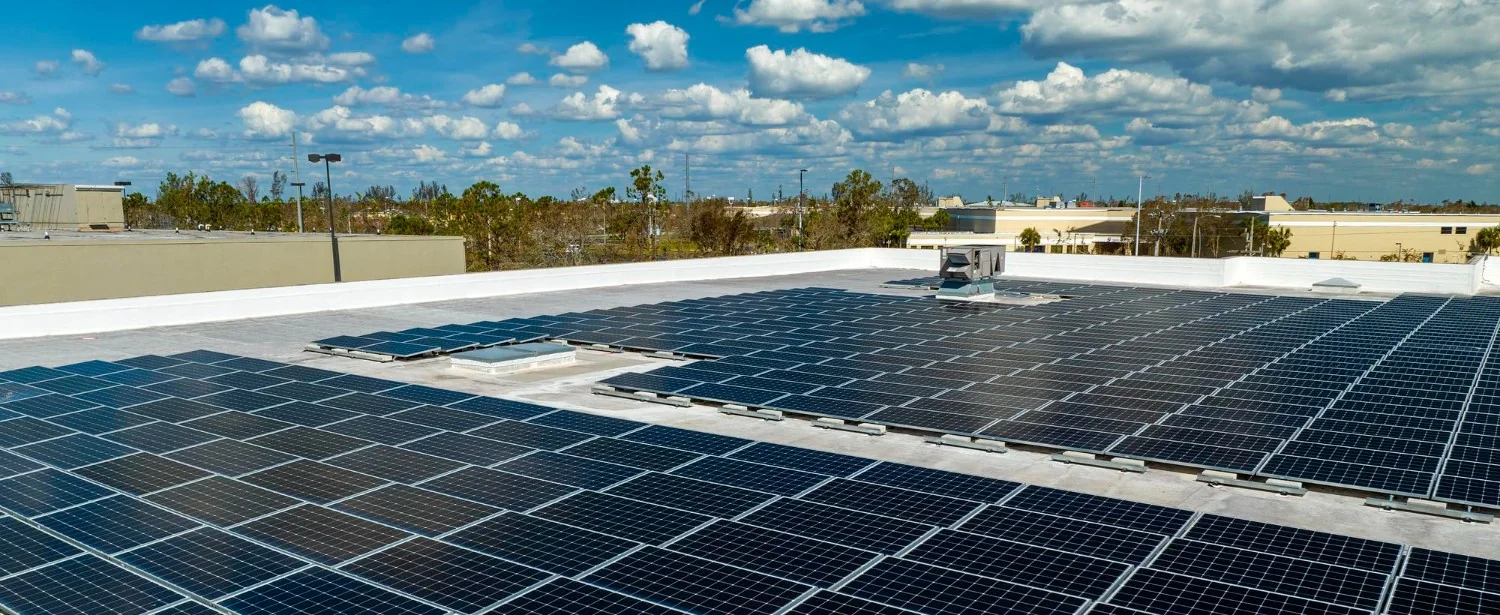
<ul><li><i>India’s rooftop solar capacity reached 30.7 GW in July 2026, increasing the need for better grid management and flexibility.</i></li><li><i>Kerala and Maharashtra are exploring battery ener…

• 𝘛𝘩𝘦 𝘌𝘐𝘉 𝘎𝘳𝘰𝘶𝘱 𝘱𝘭𝘢𝘯𝘴 𝘵𝘰 𝘱𝘳𝘰𝘷𝘪𝘥𝘦 𝘢𝘵 𝘭𝘦𝘢𝘴𝘵 €30 𝘣𝘪𝘭𝘭𝘪𝘰𝘯 𝘧𝘰𝘳 𝘤𝘭𝘪𝘮𝘢𝘵𝘦 𝘢𝘥𝘢𝘱𝘵𝘢𝘵𝘪𝘰𝘯 𝘣𝘦𝘵𝘸𝘦𝘦𝘯 2026 𝘢𝘯𝘥 2030. • 𝘛𝘩𝘦 𝘯𝘦𝘸 𝘵𝘢𝘳𝘨𝘦𝘵 𝘥𝘰𝘶𝘣𝘭𝘦𝘴 𝘢𝘥𝘢𝘱𝘵𝘢𝘵𝘪𝘰𝘯 𝘧𝘪𝘯𝘢𝘯𝘤𝘪𝘯𝘨 𝘤𝘰𝘮𝘱𝘢𝘳𝘦𝘥 𝘸𝘪𝘵𝘩 𝘵𝘩𝘦 𝘱𝘳𝘦𝘷𝘪𝘰𝘶𝘴 𝘧𝘪𝘷𝘦-𝘺𝘦𝘢𝘳 𝘱𝘦𝘳𝘪𝘰𝘥. • 𝘍𝘶𝘯𝘥𝘪𝘯𝘨…