


21 November 2025
Malaysia’s Pavilion closed its first week at COP30 with strong momentum, spotlighting regional collaboration on ecosystem restoration, climate-resilient financing, and public–private partnerships. The discussions demonstrated Malaysia’s growing role as a convener of diverse stakeholders and as a leader in aligning ASEAN climate priorities.
As week two begins, Malaysia shifts from aspiration to implementation, using the launch of NDC 3.0 to reinforce its long-term net-zero strategy and strengthen adaptation planning in line with global transparency requirements.
The second week’s agenda centres on just transitions, nature-based solutions, and sustainable financing-key pillars designed to translate regional ambition into measurable action.
Through keynote addresses, youth dialogues, fireside chats, and thematic sessions, the Pavilion continues serving as a collaborative platform connecting government, industry, academia, civil society, and youth.
Malaysia’s efforts also build on its 2025 ASEAN Chairmanship, laying foundations for harmonised carbon markets, stronger nature-based solution frameworks, and protection of transboundary ecosystems.
With a robust programme spanning wellbeing, climate security, sustainable commodity trade, and blue-green economy themes, Malaysia reinforces its commitment to integrating sustainability across national development. The Pavilion’s closing events will reflect on progress made in Belém and outline the pathway forward for Malaysia and ASEAN in shaping global climate solutions.
NDC 3.0 launches are the moment where headline ambition meets the transparency requirements that will actually shape implementation - just transitions, nature-based solutions, sustainable finance, carbon-market rules. Our climate-action and ESG-strategy teams help Malaysian and ASEAN corporates translate NDC 3.0 targets into board-defensible transition plans and disclosure that survives investor scrutiny.

• 𝘛𝘩𝘦 𝘜𝘈𝘌 𝘍𝘰𝘰𝘥 𝘉𝘢𝘯𝘬 𝘢𝘯𝘥 𝘋𝘶𝘣𝘢𝘪’𝘴 𝘊𝘰𝘮𝘮𝘶𝘯𝘪𝘵𝘺 𝘋𝘦𝘷𝘦𝘭𝘰𝘱𝘮𝘦𝘯𝘵 𝘈𝘶𝘵𝘩𝘰𝘳𝘪𝘵𝘺 (𝘊𝘋𝘈) 𝘩𝘢𝘷𝘦 𝘴𝘪𝘨𝘯𝘦𝘥 𝘢𝘯 𝘢𝘨𝘳𝘦𝘦𝘮𝘦𝘯𝘵 𝘵𝘰 𝘤𝘰𝘭𝘭𝘦𝘤𝘵 𝘢𝘯𝘥 𝘳𝘦𝘥𝘪𝘴𝘵𝘳𝘪𝘣𝘶𝘵𝘦 𝘴𝘶𝘳𝘱𝘭𝘶𝘴 𝘧𝘰𝘰𝘥 𝘧𝘳𝘰𝘮 𝘸𝘦𝘥𝘥𝘪𝘯𝘨𝘴 𝘢𝘯𝘥 𝘦𝘷𝘦𝘯𝘵𝘴. • 𝘛𝘩𝘦 𝘪𝘯𝘪𝘵𝘪𝘢𝘵𝘪𝘷𝘦 𝘸𝘪𝘭𝘭 𝘧𝘰𝘭𝘭𝘰𝘸 𝘢𝘱𝘱𝘳𝘰𝘷𝘦𝘥…
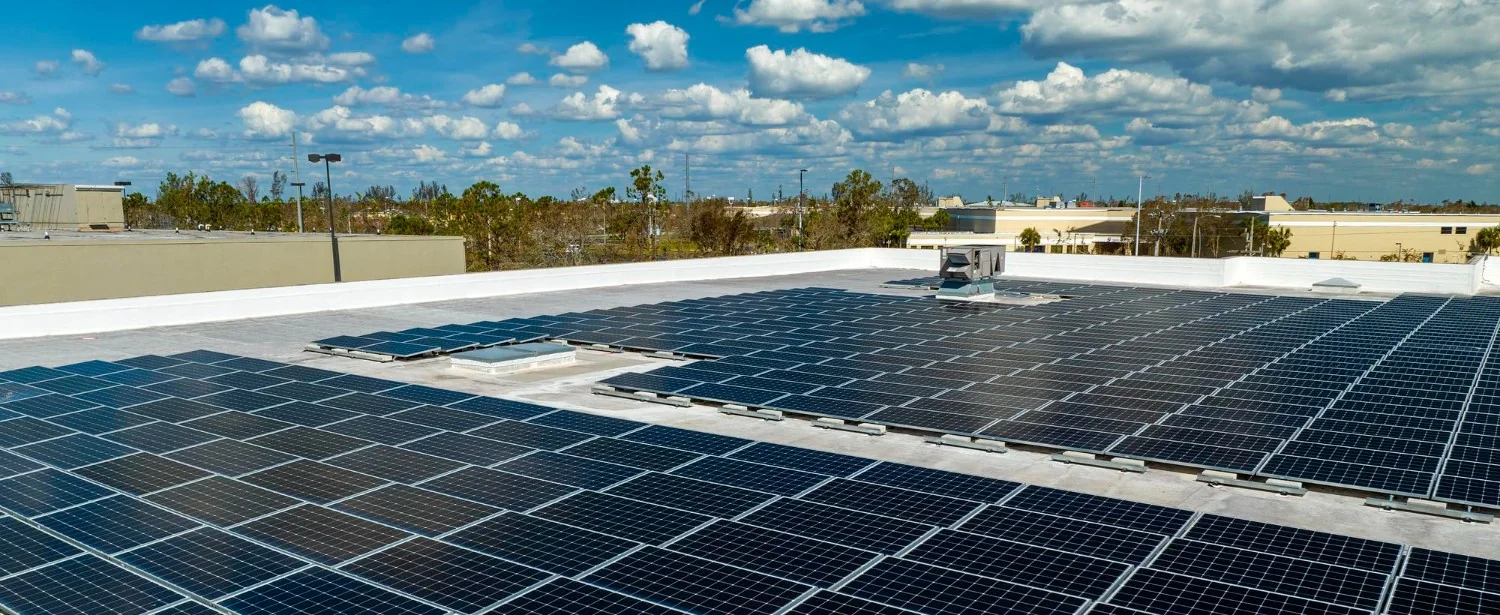
<ul><li><i>India’s rooftop solar capacity reached 30.7 GW in July 2026, increasing the need for better grid management and flexibility.</i></li><li><i>Kerala and Maharashtra are exploring battery ener…

• 𝘛𝘩𝘦 𝘌𝘐𝘉 𝘎𝘳𝘰𝘶𝘱 𝘱𝘭𝘢𝘯𝘴 𝘵𝘰 𝘱𝘳𝘰𝘷𝘪𝘥𝘦 𝘢𝘵 𝘭𝘦𝘢𝘴𝘵 €30 𝘣𝘪𝘭𝘭𝘪𝘰𝘯 𝘧𝘰𝘳 𝘤𝘭𝘪𝘮𝘢𝘵𝘦 𝘢𝘥𝘢𝘱𝘵𝘢𝘵𝘪𝘰𝘯 𝘣𝘦𝘵𝘸𝘦𝘦𝘯 2026 𝘢𝘯𝘥 2030. • 𝘛𝘩𝘦 𝘯𝘦𝘸 𝘵𝘢𝘳𝘨𝘦𝘵 𝘥𝘰𝘶𝘣𝘭𝘦𝘴 𝘢𝘥𝘢𝘱𝘵𝘢𝘵𝘪𝘰𝘯 𝘧𝘪𝘯𝘢𝘯𝘤𝘪𝘯𝘨 𝘤𝘰𝘮𝘱𝘢𝘳𝘦𝘥 𝘸𝘪𝘵𝘩 𝘵𝘩𝘦 𝘱𝘳𝘦𝘷𝘪𝘰𝘶𝘴 𝘧𝘪𝘷𝘦-𝘺𝘦𝘢𝘳 𝘱𝘦𝘳𝘪𝘰𝘥. • 𝘍𝘶𝘯𝘥𝘪𝘯𝘨…