

19 June 2026
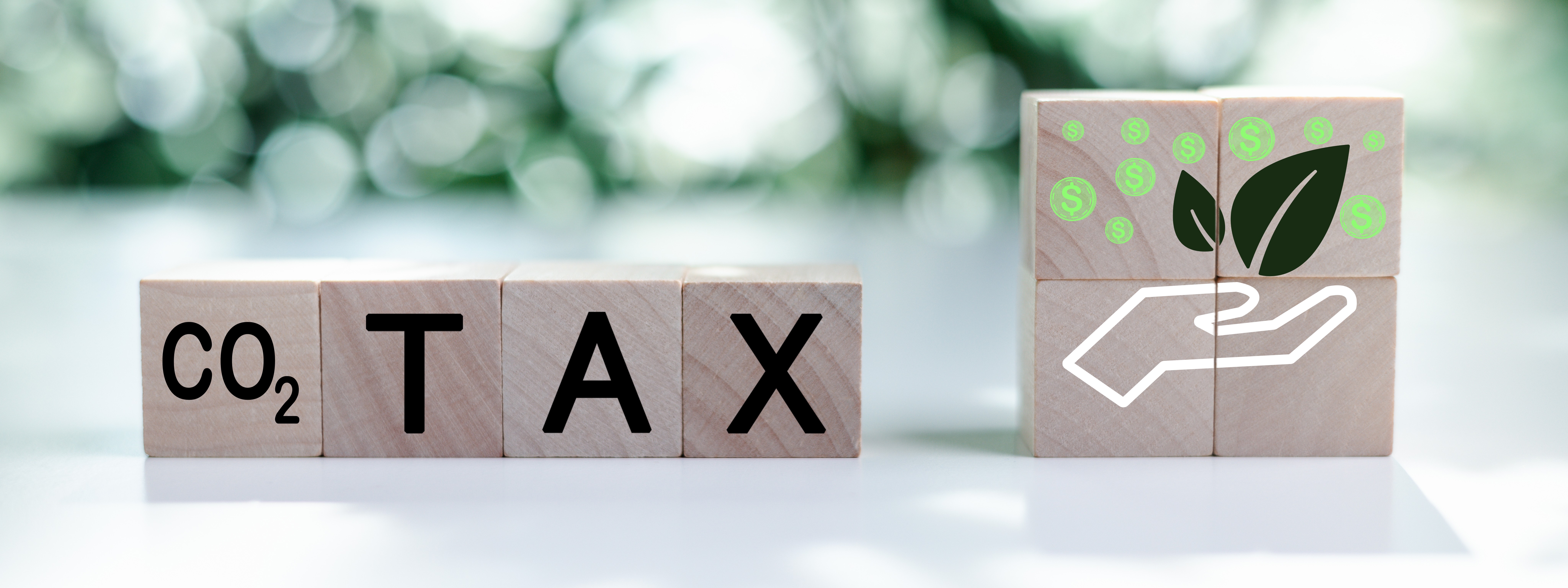
Malaysia has delayed the rollout of its planned carbon tax as the government reviews the policy against ongoing geopolitical and economic uncertainties. Natural Resources and Environmental Sustainability Minister Arthur Joseph Kurup said the government remains committed to introducing the tax but is reassessing the timing to avoid placing additional pressure on industries and the public.
The carbon tax was originally expected to be introduced in 2026, beginning with the iron, steel and energy sectors. However, officials said the impact of tensions in the Middle East and rising global energy costs prompted the government to reconsider the implementation schedule.
Despite the delay, Malaysia has reaffirmed its commitment to carbon pricing as part of its broader climate strategy. The government plans to continue developing the necessary framework for carbon markets, including carbon credit verification systems and a national carbon registry to support future implementation.
According to the minister, revenue generated from the future carbon tax is expected to support climate adaptation measures through a National Adaptation Fund. Potential areas of investment include flood mitigation, coastal protection and sustainable agricultural practices aimed at strengthening the country's resilience to climate change.
The announcement comes as Malaysia continues to advance its National Carbon Market Policy and broader decarbonisation agenda. While the carbon tax timeline remains under review, the government has indicated that the transition towards a lower-carbon economy remains a long-term priority.
The delay is a live example of how carbon pricing gets recalibrated when growth and cost-of-living tensions rise, and companies that treated the original timeline as gospel are now rescoping transition plans. Our climate-action and market-intelligence teams help Malaysian clients build carbon-pricing scenarios that stay robust across delay and acceleration paths.

• 𝘛𝘩𝘦 𝘜𝘈𝘌 𝘍𝘰𝘰𝘥 𝘉𝘢𝘯𝘬 𝘢𝘯𝘥 𝘋𝘶𝘣𝘢𝘪’𝘴 𝘊𝘰𝘮𝘮𝘶𝘯𝘪𝘵𝘺 𝘋𝘦𝘷𝘦𝘭𝘰𝘱𝘮𝘦𝘯𝘵 𝘈𝘶𝘵𝘩𝘰𝘳𝘪𝘵𝘺 (𝘊𝘋𝘈) 𝘩𝘢𝘷𝘦 𝘴𝘪𝘨𝘯𝘦𝘥 𝘢𝘯 𝘢𝘨𝘳𝘦𝘦𝘮𝘦𝘯𝘵 𝘵𝘰 𝘤𝘰𝘭𝘭𝘦𝘤𝘵 𝘢𝘯𝘥 𝘳𝘦𝘥𝘪𝘴𝘵𝘳𝘪𝘣𝘶𝘵𝘦 𝘴𝘶𝘳𝘱𝘭𝘶𝘴 𝘧𝘰𝘰𝘥 𝘧𝘳𝘰𝘮 𝘸𝘦𝘥𝘥𝘪𝘯𝘨𝘴 𝘢𝘯𝘥 𝘦𝘷𝘦𝘯𝘵𝘴. • 𝘛𝘩𝘦 𝘪𝘯𝘪𝘵𝘪𝘢𝘵𝘪𝘷𝘦 𝘸𝘪𝘭𝘭 𝘧𝘰𝘭𝘭𝘰𝘸 𝘢𝘱𝘱𝘳𝘰𝘷𝘦𝘥…

<ul><li><i>India’s rooftop solar capacity reached 30.7 GW in July 2026, increasing the need for better grid management and flexibility.</i></li><li><i>Kerala and Maharashtra are exploring battery ener…

• 𝘛𝘩𝘦 𝘌𝘐𝘉 𝘎𝘳𝘰𝘶𝘱 𝘱𝘭𝘢𝘯𝘴 𝘵𝘰 𝘱𝘳𝘰𝘷𝘪𝘥𝘦 𝘢𝘵 𝘭𝘦𝘢𝘴𝘵 €30 𝘣𝘪𝘭𝘭𝘪𝘰𝘯 𝘧𝘰𝘳 𝘤𝘭𝘪𝘮𝘢𝘵𝘦 𝘢𝘥𝘢𝘱𝘵𝘢𝘵𝘪𝘰𝘯 𝘣𝘦𝘵𝘸𝘦𝘦𝘯 2026 𝘢𝘯𝘥 2030. • 𝘛𝘩𝘦 𝘯𝘦𝘸 𝘵𝘢𝘳𝘨𝘦𝘵 𝘥𝘰𝘶𝘣𝘭𝘦𝘴 𝘢𝘥𝘢𝘱𝘵𝘢𝘵𝘪𝘰𝘯 𝘧𝘪𝘯𝘢𝘯𝘤𝘪𝘯𝘨 𝘤𝘰𝘮𝘱𝘢𝘳𝘦𝘥 𝘸𝘪𝘵𝘩 𝘵𝘩𝘦 𝘱𝘳𝘦𝘷𝘪𝘰𝘶𝘴 𝘧𝘪𝘷𝘦-𝘺𝘦𝘢𝘳 𝘱𝘦𝘳𝘪𝘰𝘥. • 𝘍𝘶𝘯𝘥𝘪𝘯𝘨…