

29 July 2026
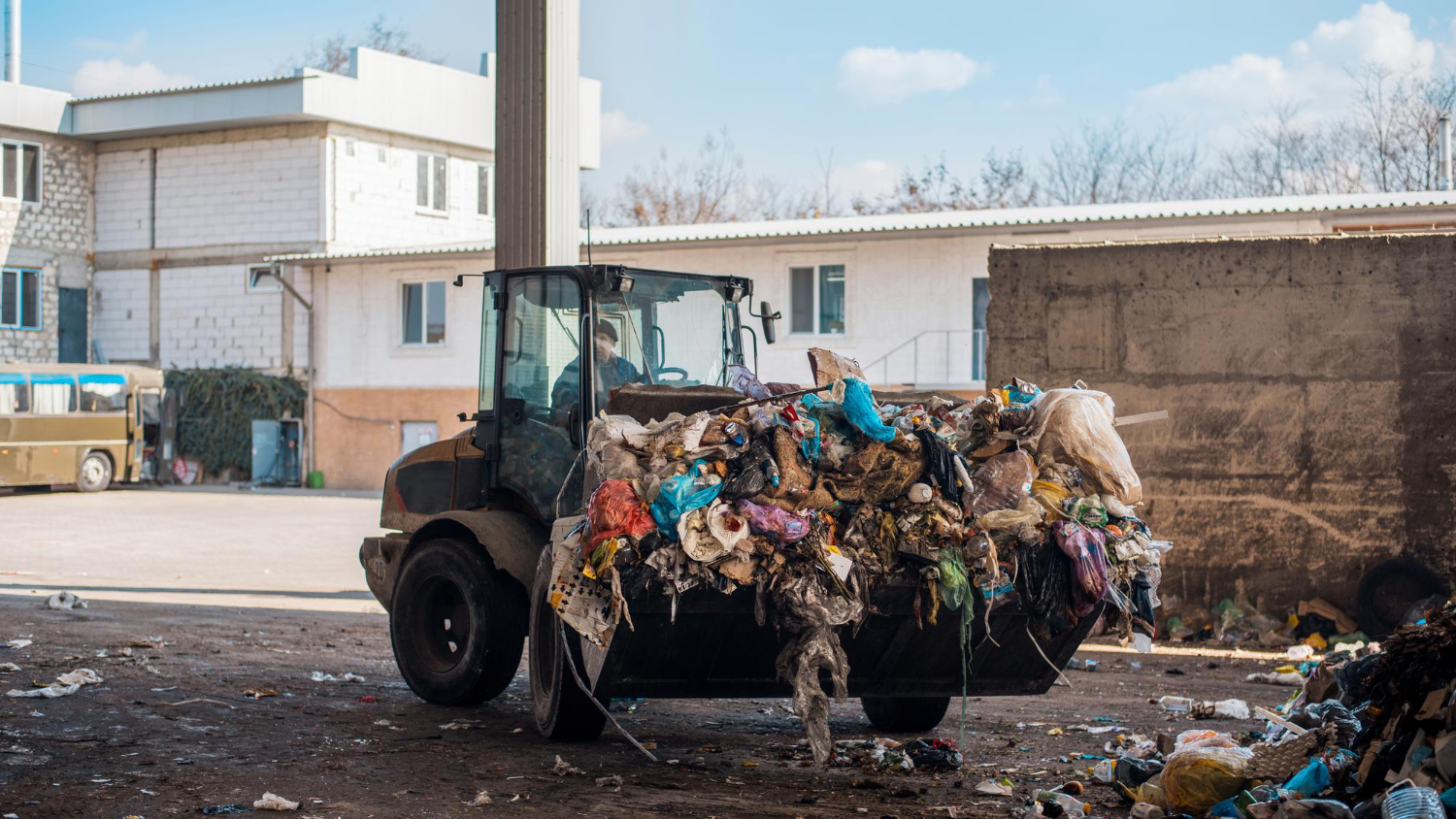
Malaysia is accelerating its shift toward a more circular waste management system, with the government approving 18 waste-to-energy (WTE) projects through 2040 that are expected to generate up to 600MW of renewable energy.
Housing and Local Government Minister Nga Kor Ming said the projects form part of the country’s long-term strategy to modernise solid waste management, reduce dependence on landfills, and expand renewable energy generation in line with the Malaysia Madani framework.
Two WTE facilities are already operational at Ladang Tanah Merah in Port Dickson, Negri Sembilan, and Jeram 1 in Selangor, while three more are under construction in Sungai Udang, Melaka, Tanjung 12, Selangor, and Jeram 2, Selangor.
The technology uses controlled combustion to reduce the volume of municipal waste while converting the resulting heat into electricity. According to the government, WTE facilities can reduce solid waste volumes by up to 85%, with the remaining ash potentially being reused in commercial and construction applications.
The planned expansion is intended to move Malaysia away from a landfill-dependent model toward a circular economy approach, where waste is treated as a potential resource rather than simply discarded.
The government says the programme could strengthen Malaysia’s waste infrastructure while supporting renewable energy generation and resource recovery. However, the expansion of WTE will also require strong emissions controls, effective waste segregation, and responsible ash management to ensure environmental benefits translate into long-term sustainability.
With 18 projects planned by 2040, Malaysia is positioning waste-to-energy as a key component of its efforts to build a more modern, resource-efficient, and resilient waste management system.
18 waste-to-energy projects adding 600 MW combines municipal circular-economy with renewable-power supply, and it changes both Scope 2 procurement optionality and waste-management economics. Our circular-economy and energy-transition teams help clients evaluate WtE opportunities against project economics, air-quality disclosure and community-engagement expectations.

• 𝘛𝘩𝘦 𝘜𝘈𝘌 𝘍𝘰𝘰𝘥 𝘉𝘢𝘯𝘬 𝘢𝘯𝘥 𝘋𝘶𝘣𝘢𝘪’𝘴 𝘊𝘰𝘮𝘮𝘶𝘯𝘪𝘵𝘺 𝘋𝘦𝘷𝘦𝘭𝘰𝘱𝘮𝘦𝘯𝘵 𝘈𝘶𝘵𝘩𝘰𝘳𝘪𝘵𝘺 (𝘊𝘋𝘈) 𝘩𝘢𝘷𝘦 𝘴𝘪𝘨𝘯𝘦𝘥 𝘢𝘯 𝘢𝘨𝘳𝘦𝘦𝘮𝘦𝘯𝘵 𝘵𝘰 𝘤𝘰𝘭𝘭𝘦𝘤𝘵 𝘢𝘯𝘥 𝘳𝘦𝘥𝘪𝘴𝘵𝘳𝘪𝘣𝘶𝘵𝘦 𝘴𝘶𝘳𝘱𝘭𝘶𝘴 𝘧𝘰𝘰𝘥 𝘧𝘳𝘰𝘮 𝘸𝘦𝘥𝘥𝘪𝘯𝘨𝘴 𝘢𝘯𝘥 𝘦𝘷𝘦𝘯𝘵𝘴. • 𝘛𝘩𝘦 𝘪𝘯𝘪𝘵𝘪𝘢𝘵𝘪𝘷𝘦 𝘸𝘪𝘭𝘭 𝘧𝘰𝘭𝘭𝘰𝘸 𝘢𝘱𝘱𝘳𝘰𝘷𝘦𝘥…

<ul><li><i>India’s rooftop solar capacity reached 30.7 GW in July 2026, increasing the need for better grid management and flexibility.</i></li><li><i>Kerala and Maharashtra are exploring battery ener…

• 𝘛𝘩𝘦 𝘌𝘐𝘉 𝘎𝘳𝘰𝘶𝘱 𝘱𝘭𝘢𝘯𝘴 𝘵𝘰 𝘱𝘳𝘰𝘷𝘪𝘥𝘦 𝘢𝘵 𝘭𝘦𝘢𝘴𝘵 €30 𝘣𝘪𝘭𝘭𝘪𝘰𝘯 𝘧𝘰𝘳 𝘤𝘭𝘪𝘮𝘢𝘵𝘦 𝘢𝘥𝘢𝘱𝘵𝘢𝘵𝘪𝘰𝘯 𝘣𝘦𝘵𝘸𝘦𝘦𝘯 2026 𝘢𝘯𝘥 2030. • 𝘛𝘩𝘦 𝘯𝘦𝘸 𝘵𝘢𝘳𝘨𝘦𝘵 𝘥𝘰𝘶𝘣𝘭𝘦𝘴 𝘢𝘥𝘢𝘱𝘵𝘢𝘵𝘪𝘰𝘯 𝘧𝘪𝘯𝘢𝘯𝘤𝘪𝘯𝘨 𝘤𝘰𝘮𝘱𝘢𝘳𝘦𝘥 𝘸𝘪𝘵𝘩 𝘵𝘩𝘦 𝘱𝘳𝘦𝘷𝘪𝘰𝘶𝘴 𝘧𝘪𝘷𝘦-𝘺𝘦𝘢𝘳 𝘱𝘦𝘳𝘪𝘰𝘥. • 𝘍𝘶𝘯𝘥𝘪𝘯𝘨…