

15 April 2026
Malaysia is accelerating its energy transition by expanding solar power capacity while exploring nuclear energy as part of its long-term sustainability strategy. The government is working to reduce reliance on coal and diversify its energy mix, aligning with national climate and energy security goals.
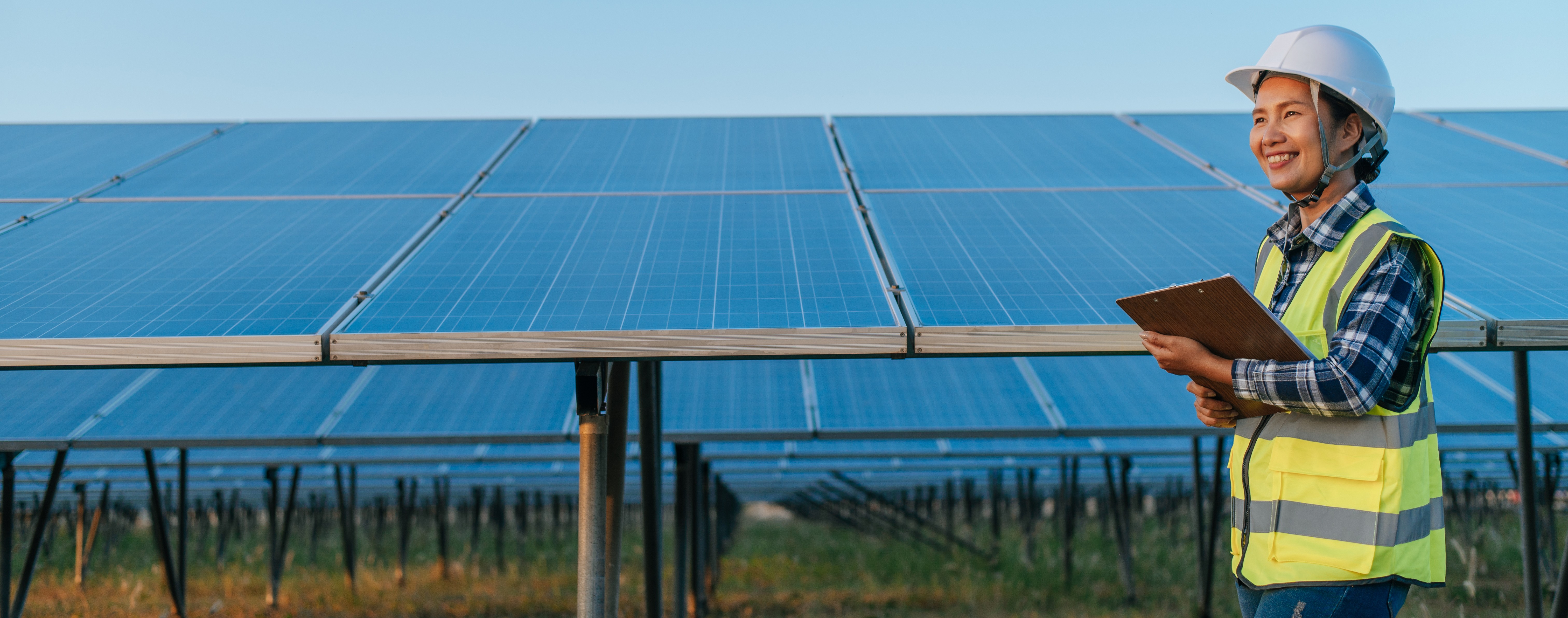
Solar energy is expected to play a central role in this transition, with capacity projected to exceed 6.5 gigawatts by 2029. This growth is being driven by strong policy support, national programmes, and increasing investment in renewable infrastructure, positioning solar as a key pillar of Malaysia’s clean energy future.
At the same time, Malaysia is considering the introduction of nuclear power to ensure a stable and reliable electricity supply. Nuclear energy is being evaluated as a complementary solution to intermittent renewable sources like solar, helping maintain grid stability while supporting long-term decarbonisation efforts.
These efforts are part of Malaysia’s broader National Energy Transition Roadmap, which targets a 70% renewable energy share by 2050. By combining renewable expansion with future-ready technologies, the government aims to strengthen energy resilience, reduce emissions, and build a more sustainable and secure energy system.
Malaysia's 6.5 GW solar target by 2029 combined with nuclear evaluation reflects a portfolio approach that balances renewable scale-up with firm-power reliability. Solar-plus-storage handles daytime and near-peak load; nuclear provides baseload that complements intermittent renewables. The 70 percent renewable-energy share by 2050 under NETR requires both dimensions to deliver at scale.
The nuclear evaluation is particularly significant given the historical political sensitivity around new nuclear deployment in Southeast Asia. Successful Malaysian nuclear programmes would likely influence broader ASEAN thinking, particularly as data-centre and industrial electricity demand growth strains renewable-only strategies in the region.
For utilities, developers, industrial power buyers and financial institutions active in Malaysian energy transition, Cognitud's energy transition, responsible investment and market intelligence teams help clients evaluate opportunities across NETR-aligned technologies, structure sustainability-linked commercial arrangements, and prepare disclosures aligned with Bursa Malaysia, ISSB and TCFD expectations that increasingly determine access to sustainable-finance across the ASEAN region.

• 𝘛𝘩𝘦 𝘜𝘈𝘌 𝘍𝘰𝘰𝘥 𝘉𝘢𝘯𝘬 𝘢𝘯𝘥 𝘋𝘶𝘣𝘢𝘪’𝘴 𝘊𝘰𝘮𝘮𝘶𝘯𝘪𝘵𝘺 𝘋𝘦𝘷𝘦𝘭𝘰𝘱𝘮𝘦𝘯𝘵 𝘈𝘶𝘵𝘩𝘰𝘳𝘪𝘵𝘺 (𝘊𝘋𝘈) 𝘩𝘢𝘷𝘦 𝘴𝘪𝘨𝘯𝘦𝘥 𝘢𝘯 𝘢𝘨𝘳𝘦𝘦𝘮𝘦𝘯𝘵 𝘵𝘰 𝘤𝘰𝘭𝘭𝘦𝘤𝘵 𝘢𝘯𝘥 𝘳𝘦𝘥𝘪𝘴𝘵𝘳𝘪𝘣𝘶𝘵𝘦 𝘴𝘶𝘳𝘱𝘭𝘶𝘴 𝘧𝘰𝘰𝘥 𝘧𝘳𝘰𝘮 𝘸𝘦𝘥𝘥𝘪𝘯𝘨𝘴 𝘢𝘯𝘥 𝘦𝘷𝘦𝘯𝘵𝘴. • 𝘛𝘩𝘦 𝘪𝘯𝘪𝘵𝘪𝘢𝘵𝘪𝘷𝘦 𝘸𝘪𝘭𝘭 𝘧𝘰𝘭𝘭𝘰𝘸 𝘢𝘱𝘱𝘳𝘰𝘷𝘦𝘥…

<ul><li><i>India’s rooftop solar capacity reached 30.7 GW in July 2026, increasing the need for better grid management and flexibility.</i></li><li><i>Kerala and Maharashtra are exploring battery ener…

• 𝘛𝘩𝘦 𝘌𝘐𝘉 𝘎𝘳𝘰𝘶𝘱 𝘱𝘭𝘢𝘯𝘴 𝘵𝘰 𝘱𝘳𝘰𝘷𝘪𝘥𝘦 𝘢𝘵 𝘭𝘦𝘢𝘴𝘵 €30 𝘣𝘪𝘭𝘭𝘪𝘰𝘯 𝘧𝘰𝘳 𝘤𝘭𝘪𝘮𝘢𝘵𝘦 𝘢𝘥𝘢𝘱𝘵𝘢𝘵𝘪𝘰𝘯 𝘣𝘦𝘵𝘸𝘦𝘦𝘯 2026 𝘢𝘯𝘥 2030. • 𝘛𝘩𝘦 𝘯𝘦𝘸 𝘵𝘢𝘳𝘨𝘦𝘵 𝘥𝘰𝘶𝘣𝘭𝘦𝘴 𝘢𝘥𝘢𝘱𝘵𝘢𝘵𝘪𝘰𝘯 𝘧𝘪𝘯𝘢𝘯𝘤𝘪𝘯𝘨 𝘤𝘰𝘮𝘱𝘢𝘳𝘦𝘥 𝘸𝘪𝘵𝘩 𝘵𝘩𝘦 𝘱𝘳𝘦𝘷𝘪𝘰𝘶𝘴 𝘧𝘪𝘷𝘦-𝘺𝘦𝘢𝘳 𝘱𝘦𝘳𝘪𝘰𝘥. • 𝘍𝘶𝘯𝘥𝘪𝘯𝘨…