

27 July 2026
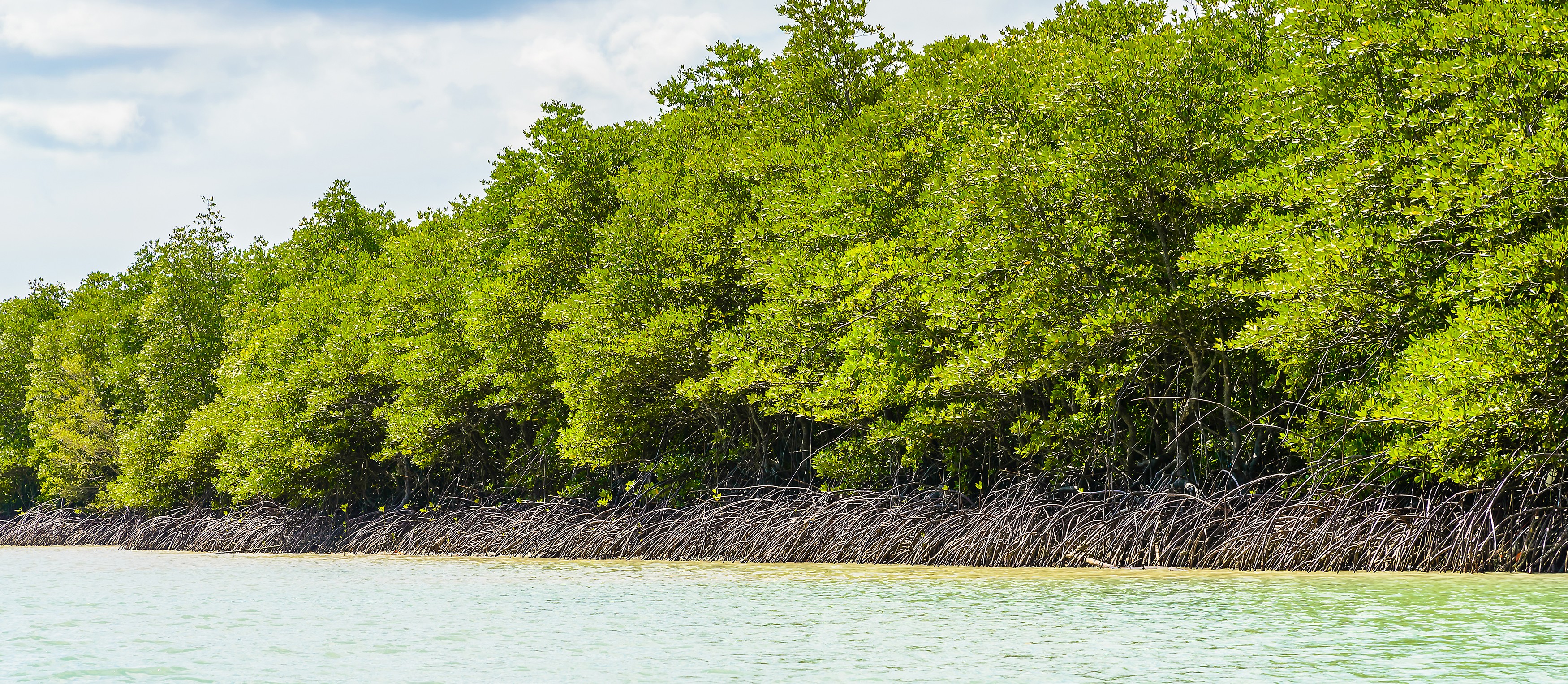
Kuwait is accelerating efforts to restore its mangrove ecosystems as part of a national strategy to strengthen climate resilience, protect coastal environments, and conserve biodiversity. The initiative aligns with the country's long-term environmental goals and includes plans to plant thousands of mangrove seedlings by 2035. Kuwait has also joined the Mangrove Climate Alliance, reinforcing its commitment to nature-based solutions for climate action.
Restoration efforts focus on re-establishing mangroves in key coastal areas, including the Jahra Nature Reserve and Sulaibikhat Beach, where seedlings cultivated from regional mangrove species have been successfully planted. These projects have already contributed to improving biodiversity, supporting marine life, attracting migratory birds such as flamingos, and enhancing overall ecosystem health.
Mangroves play a critical role in capturing and storing blue carbon, protecting shorelines from erosion, improving water quality, and providing breeding habitats for fish, shrimp, and other marine species. Despite challenges such as rising temperatures, increased salinity, and coastal erosion, Kuwait's restoration programme demonstrates how ecosystem-based approaches can strengthen environmental resilience while supporting long-term climate adaptation and biodiversity conservation.
Kuwait's Mangrove Climate Alliance participation combined with restoration at Jahra Nature Reserve and Sulaibikhat Beach reflects genuine commitment to nature-based climate solutions rather than one-off symbolic planting. Successful mangrove restoration in Gulf conditions requires species selection (regional variants adapted to high salinity), site preparation, and multi-year monitoring - Kuwait's programme design suggests appropriate technical attention.
Mangroves' multiple ecosystem-service dimensions (blue carbon, coastal protection, marine-habitat, migratory-bird support) make investment attractive across multiple sustainability frameworks. The flamingo migration attraction combined with fish-and-shrimp habitat also creates tourism and fisheries-linked co-benefits alongside pure climate outcomes.
For coastal-infrastructure operators, fisheries and tourism companies, corporates evaluating nature-based investment and financial institutions supporting blue-carbon initiatives, Cognitud's nature-based solutions, climate action and impact assessment teams help clients evaluate mangrove-restoration investment opportunities, structure long-term stewardship arrangements aligned with international restoration standards, and prepare disclosures aligned with TNFD, SBTN and jurisdictional biodiversity frameworks that increasingly determine access to nature-linked sustainable-finance.

• 𝘛𝘩𝘦 𝘜𝘈𝘌 𝘍𝘰𝘰𝘥 𝘉𝘢𝘯𝘬 𝘢𝘯𝘥 𝘋𝘶𝘣𝘢𝘪’𝘴 𝘊𝘰𝘮𝘮𝘶𝘯𝘪𝘵𝘺 𝘋𝘦𝘷𝘦𝘭𝘰𝘱𝘮𝘦𝘯𝘵 𝘈𝘶𝘵𝘩𝘰𝘳𝘪𝘵𝘺 (𝘊𝘋𝘈) 𝘩𝘢𝘷𝘦 𝘴𝘪𝘨𝘯𝘦𝘥 𝘢𝘯 𝘢𝘨𝘳𝘦𝘦𝘮𝘦𝘯𝘵 𝘵𝘰 𝘤𝘰𝘭𝘭𝘦𝘤𝘵 𝘢𝘯𝘥 𝘳𝘦𝘥𝘪𝘴𝘵𝘳𝘪𝘣𝘶𝘵𝘦 𝘴𝘶𝘳𝘱𝘭𝘶𝘴 𝘧𝘰𝘰𝘥 𝘧𝘳𝘰𝘮 𝘸𝘦𝘥𝘥𝘪𝘯𝘨𝘴 𝘢𝘯𝘥 𝘦𝘷𝘦𝘯𝘵𝘴. • 𝘛𝘩𝘦 𝘪𝘯𝘪𝘵𝘪𝘢𝘵𝘪𝘷𝘦 𝘸𝘪𝘭𝘭 𝘧𝘰𝘭𝘭𝘰𝘸 𝘢𝘱𝘱𝘳𝘰𝘷𝘦𝘥…

<ul><li><i>India’s rooftop solar capacity reached 30.7 GW in July 2026, increasing the need for better grid management and flexibility.</i></li><li><i>Kerala and Maharashtra are exploring battery ener…

• 𝘛𝘩𝘦 𝘌𝘐𝘉 𝘎𝘳𝘰𝘶𝘱 𝘱𝘭𝘢𝘯𝘴 𝘵𝘰 𝘱𝘳𝘰𝘷𝘪𝘥𝘦 𝘢𝘵 𝘭𝘦𝘢𝘴𝘵 €30 𝘣𝘪𝘭𝘭𝘪𝘰𝘯 𝘧𝘰𝘳 𝘤𝘭𝘪𝘮𝘢𝘵𝘦 𝘢𝘥𝘢𝘱𝘵𝘢𝘵𝘪𝘰𝘯 𝘣𝘦𝘵𝘸𝘦𝘦𝘯 2026 𝘢𝘯𝘥 2030. • 𝘛𝘩𝘦 𝘯𝘦𝘸 𝘵𝘢𝘳𝘨𝘦𝘵 𝘥𝘰𝘶𝘣𝘭𝘦𝘴 𝘢𝘥𝘢𝘱𝘵𝘢𝘵𝘪𝘰𝘯 𝘧𝘪𝘯𝘢𝘯𝘤𝘪𝘯𝘨 𝘤𝘰𝘮𝘱𝘢𝘳𝘦𝘥 𝘸𝘪𝘵𝘩 𝘵𝘩𝘦 𝘱𝘳𝘦𝘷𝘪𝘰𝘶𝘴 𝘧𝘪𝘷𝘦-𝘺𝘦𝘢𝘳 𝘱𝘦𝘳𝘪𝘰𝘥. • 𝘍𝘶𝘯𝘥𝘪𝘯𝘨…