


04 February 2026
Italy has introduced a nominal tourist levy and enhanced sustainability measures at the historic Trevi Fountain in Rome, aiming to address overtourism and protect one of Europe’s most iconic heritage sites. The policy - effective in early 2026 - applies to visitors who wish to access the immediate vicinity of the monument and is part of a wider strategy to balance tourism demand with conservation imperatives across major cultural landmarks.
Under the new system, visitors from across Europe - including travellers from Poland, Germany, France, Latvia, Austria, Sweden and Iceland - will encounter a €2 charge at designated entry points if they wish to approach the fountain’s basin and interact with the site more closely. The fee is intended not only to generate revenue for ongoing maintenance and preservation work but also to regulate crowding, improve visitor experience and sustain the site for future generations.
Authorities in Rome have framed this levy as part of a broader sustainability and heritage protection model that seeks to reduce the wear and tear caused by high foot traffic, manage peak visitation times, and ensure that cultural treasures can be enjoyed without compromising their structural integrity. By introducing a modest fee with a clear conservation purpose, Italy is establishing a precedent that could influence similar overtourism policies in other European destinations.
The new measures reflect growing dialogue among European tourism authorities around sustainable travel management and heritage site conservation in a post-pandemic era of intense travel demand. By targeting visitor flows and linking fees directly to preservation funding, Italy’s approach underscores a shift toward sustainable tourism practices that aim to reconcile economic benefits with environmental and cultural stewardship concerns.
Overtourism levies are becoming the operational tool cities use to manage sustainable-tourism balance, and they signal how tourism operators need to rethink pricing and destination strategy for European heritage sites. Our impact-assessment and nature-based-solutions teams help clients evaluate what these levies mean for tourism positioning and impact-linked disclosure.

• 𝘛𝘩𝘦 𝘜𝘈𝘌 𝘍𝘰𝘰𝘥 𝘉𝘢𝘯𝘬 𝘢𝘯𝘥 𝘋𝘶𝘣𝘢𝘪’𝘴 𝘊𝘰𝘮𝘮𝘶𝘯𝘪𝘵𝘺 𝘋𝘦𝘷𝘦𝘭𝘰𝘱𝘮𝘦𝘯𝘵 𝘈𝘶𝘵𝘩𝘰𝘳𝘪𝘵𝘺 (𝘊𝘋𝘈) 𝘩𝘢𝘷𝘦 𝘴𝘪𝘨𝘯𝘦𝘥 𝘢𝘯 𝘢𝘨𝘳𝘦𝘦𝘮𝘦𝘯𝘵 𝘵𝘰 𝘤𝘰𝘭𝘭𝘦𝘤𝘵 𝘢𝘯𝘥 𝘳𝘦𝘥𝘪𝘴𝘵𝘳𝘪𝘣𝘶𝘵𝘦 𝘴𝘶𝘳𝘱𝘭𝘶𝘴 𝘧𝘰𝘰𝘥 𝘧𝘳𝘰𝘮 𝘸𝘦𝘥𝘥𝘪𝘯𝘨𝘴 𝘢𝘯𝘥 𝘦𝘷𝘦𝘯𝘵𝘴. • 𝘛𝘩𝘦 𝘪𝘯𝘪𝘵𝘪𝘢𝘵𝘪𝘷𝘦 𝘸𝘪𝘭𝘭 𝘧𝘰𝘭𝘭𝘰𝘸 𝘢𝘱𝘱𝘳𝘰𝘷𝘦𝘥…
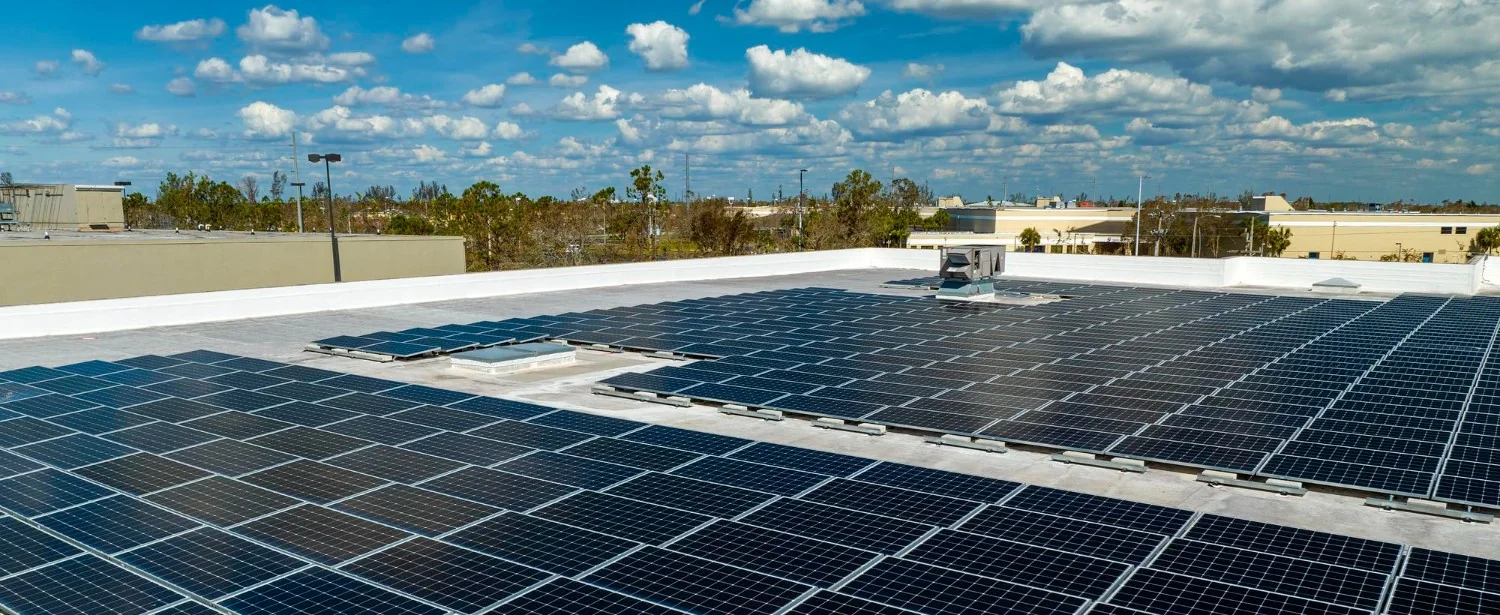
<ul><li><i>India’s rooftop solar capacity reached 30.7 GW in July 2026, increasing the need for better grid management and flexibility.</i></li><li><i>Kerala and Maharashtra are exploring battery ener…

• 𝘛𝘩𝘦 𝘌𝘐𝘉 𝘎𝘳𝘰𝘶𝘱 𝘱𝘭𝘢𝘯𝘴 𝘵𝘰 𝘱𝘳𝘰𝘷𝘪𝘥𝘦 𝘢𝘵 𝘭𝘦𝘢𝘴𝘵 €30 𝘣𝘪𝘭𝘭𝘪𝘰𝘯 𝘧𝘰𝘳 𝘤𝘭𝘪𝘮𝘢𝘵𝘦 𝘢𝘥𝘢𝘱𝘵𝘢𝘵𝘪𝘰𝘯 𝘣𝘦𝘵𝘸𝘦𝘦𝘯 2026 𝘢𝘯𝘥 2030. • 𝘛𝘩𝘦 𝘯𝘦𝘸 𝘵𝘢𝘳𝘨𝘦𝘵 𝘥𝘰𝘶𝘣𝘭𝘦𝘴 𝘢𝘥𝘢𝘱𝘵𝘢𝘵𝘪𝘰𝘯 𝘧𝘪𝘯𝘢𝘯𝘤𝘪𝘯𝘨 𝘤𝘰𝘮𝘱𝘢𝘳𝘦𝘥 𝘸𝘪𝘵𝘩 𝘵𝘩𝘦 𝘱𝘳𝘦𝘷𝘪𝘰𝘶𝘴 𝘧𝘪𝘷𝘦-𝘺𝘦𝘢𝘳 𝘱𝘦𝘳𝘪𝘰𝘥. • 𝘍𝘶𝘯𝘥𝘪𝘯𝘨…